 WhatsApp Us Now
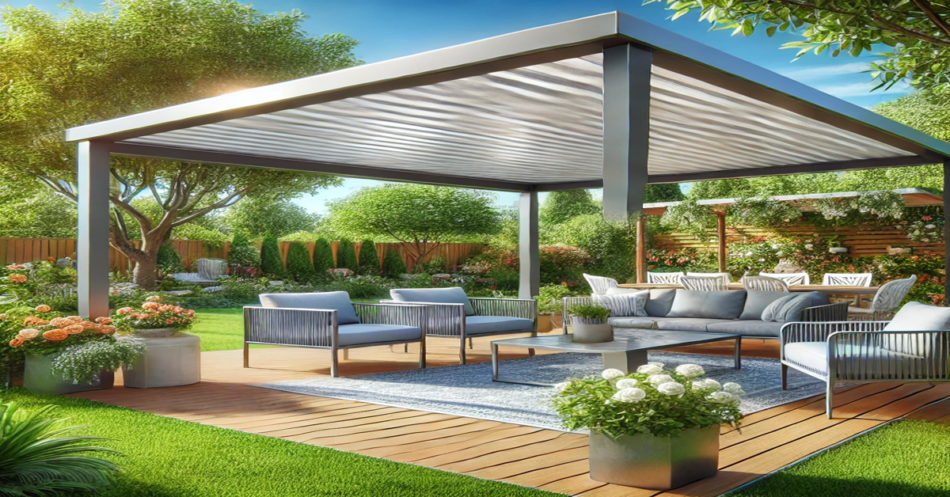
A well-designed patio can become one of the most useful spaces around a home. But without adequate shade and protection from the elements, even a beautiful outdoor area may sit unused during the hottest, rainiest, or brightest parts of the year. That’s where aluminum patio covers can make a meaningful difference.
Unlike temporary umbrellas or fabric shades, aluminum covers provide a permanent structure that can protect outdoor living areas while complementing the architecture of the home. For homeowners considering an upgrade, understanding materials, design options, installation requirements, and manufacturer quality can make the decision much easier.
Why Choose Aluminum for a Patio Cover?
Aluminum is popular for outdoor structures because it combines durability with relatively low maintenance. It doesn’t rot like wood, and properly finished aluminum can withstand regular exposure to sun and rain without requiring the same level of upkeep as many traditional materials.
Another advantage is design flexibility. Aluminum patio covers can be built in different configurations, including solid roof panels, lattice-style designs, and insulated systems. This allows homeowners to decide how much sunlight, ventilation, and weather protection they want.
The right design depends largely on how the patio will be used. A dining area may benefit from stronger protection against rain and direct sunlight, while a garden seating area might work better with a partially open design.
What to Consider Before Installation
Choosing a patio cover involves more than selecting a color and roof style. The existing patio, house structure, drainage, local climate, and applicable building requirements should all be considered before construction begins.
Start by thinking about the primary purpose of the cover. Is the goal to create a shaded place for relaxing, protect outdoor furniture, extend an entertaining area, or provide year-round usability? The answer can influence everything from roof design to placement.
Homeowners should also consider water management. A well-planned structure should direct rainwater away from doors, walkways, and foundation areas. Poor drainage can turn an otherwise attractive patio improvement into an ongoing maintenance problem.
Choosing Among Patio Cover Manufacturers
The manufacturer matters just as much as the design. Different patio cover manufacturers may offer significant differences in material thickness, coatings, connection systems, warranties, available colors, and customization options.
Rather than choosing solely on price, compare the complete system. Ask what materials are used, how the finish is applied, what warranty coverage includes, and whether replacement components are available if needed in the future.
It’s also worth looking at the manufacturer’s installation specifications. A reputable company should provide clear information about its products instead of relying on vague claims about durability or performance.
For contractors, manufacturer support can be equally important. Detailed installation documentation, engineering information, product availability, and responsive technical support can make a project considerably easier to execute correctly.
Design Should Follow the Home
A patio cover should look like part of the property rather than an afterthought. Consider the home’s existing rooflines, exterior colors, windows, doors, and architectural style when selecting the structure.
A simple, clean design may suit a modern home, while a more traditional property might benefit from complementary trim and proportions. Color is another useful tool. Matching or coordinating the patio cover with existing exterior elements can create a more cohesive appearance.
Lighting, ceiling fans, outdoor kitchens, and other accessories may also be incorporated into the planning stage. Thinking about these additions before installation can prevent expensive modifications later.
Quality Over Short-Term Savings
A patio cover is a long-term investment, so the cheapest option isn’t necessarily the best value. A lower initial price may become less attractive if the structure requires frequent repairs, has limited customization options, or comes with weak warranty support.
Instead, look for a combination of sound materials, appropriate engineering, reliable installation, and manufacturer support. The goal is a patio cover that performs well and continues to look good after years of exposure to outdoor conditions.
Google’s current search guidance also reinforces an important principle for businesses publishing information online: useful content should answer real questions and provide meaningful value rather than simply repeating generic information for search rankings.
Creating a Better Outdoor Living Space
The best patio cover isn’t necessarily the largest or most expensive one. It’s the design that fits the property, climate, budget, and way the space will actually be used.
For homeowners and contractors, aluminum offers a practical balance of durability, appearance, and maintenance. By comparing materials, planning drainage and placement carefully, and evaluating reputable patio cover manufacturers, it’s possible to create an outdoor space that delivers value well beyond its initial installation.
A thoughtful patio cover turns an underused outdoor area into a comfortable extension of the home, making the investment worthwhile in both everyday enjoyment and long-term functionality.


