 WhatsApp Us Now

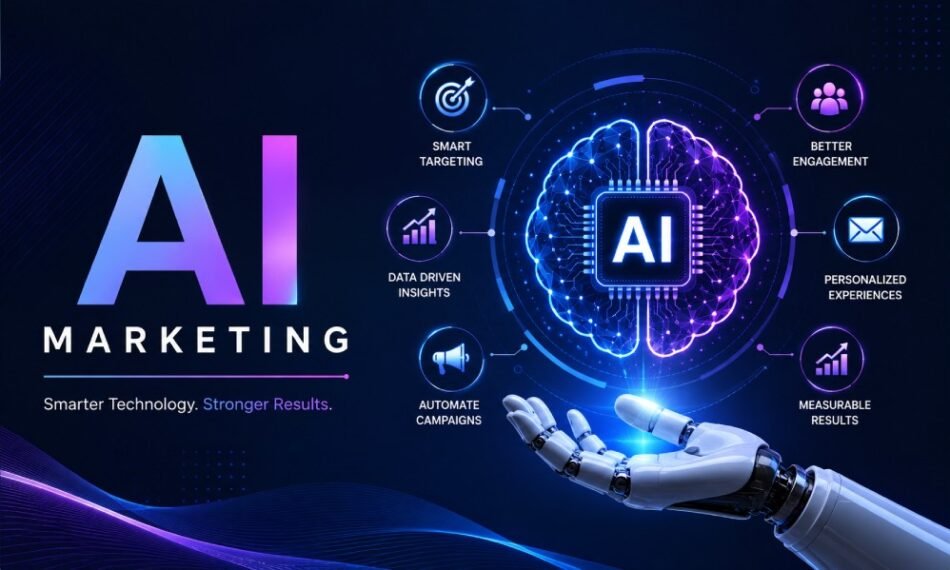
Every business exploring digital marketing today runs into the same question: how much should be handled by AI, and how much should remain in human hands? It’s a fair question, because AI tools have genuinely transformed how quickly content can be produced, researched, and optimised. But speed alone doesn’t guarantee results, and New Zealand brands are learning that the best outcomes come from combining both, not choosing one over the other.
This balance matters more than most businesses realise. Get it wrong, and content either feels robotic and forgettable, or it takes too long to produce at the volume modern marketing demands.
What AI Does Well in Content Creation
AI tools are excellent at speeding up research, generating first drafts, identifying content gaps, and analysing what topics are trending within a specific industry or region. They can process large volumes of data far faster than any human team, surfacing patterns in customer behaviour and search trends that would otherwise take weeks to identify manually.
This makes AI particularly useful in the early stages of content planning, helping teams decide what to write about and why it matters to their audience, rather than guessing based on assumption alone.
Where Human Strategy Still Wins
Despite these strengths, AI still struggles with the things that make content genuinely persuasive: nuance, cultural context, brand voice, and real storytelling. New Zealand audiences respond to content that feels authentic and locally relevant, something that generic AI output often fails to capture without careful human guidance.
Strategy also requires judgement calls that AI can’t make on its own, deciding which opportunities are worth pursuing, how a campaign should be positioned against competitors, and when to pull back on a channel that isn’t performing. These decisions rely on experience and market understanding that goes beyond what any algorithm can currently replicate.
Applying This Balance to SEO Content
Search engine optimisation is a good example of where this balance plays out clearly. AI can quickly identify keyword opportunities and content gaps, but turning that data into content that genuinely ranks well requires structure, clarity, and expertise that reflects real understanding of the topic.
A well-executed SEO services New Zealand strategy uses AI to speed up research and technical analysis, while relying on experienced writers and strategists to shape content that actually earns trust with both search engines and readers.
Applying This Balance to Social Content
Social media presents a similar challenge. AI can suggest optimal posting times, analyse engagement patterns, and even generate caption drafts, but the content that performs best is usually the content that feels genuinely human, timely, and connected to real conversations happening in the market.
This is why effective SMO services New Zealand work treats AI as a support tool rather than the final decision-maker, using data to inform creative choices without letting it replace the creative process entirely.
Applying This Balance to Paid Campaigns
Paid advertising is arguably where AI automation has advanced the furthest, with platforms now handling bidding, targeting, and creative testing largely on their own. Even so, campaigns still need clear strategic direction to avoid wasting budget on the wrong audience or messaging.
A results-driven PPC services New Zealand approach uses automation to handle the repetitive optimisation work, while human strategists set the goals, budgets, and creative direction that the algorithm then works to fulfil.
Avoiding the Pitfalls of Over-Automation
Businesses that lean too heavily on AI without human oversight often end up with content that sounds similar to everyone else’s, since many tools draw from overlapping training data and produce comparable output. This makes differentiation harder, not easier, which defeats the purpose of investing in content marketing in the first place.
The businesses seeing the strongest results are the ones using AI to remove friction and save time, while investing that saved time into sharper strategy and more original creative work.
Frequently Asked Questions
Should businesses rely fully on AI for content creation?
No. AI works best as a support tool for research and drafting, while human input remains essential for tone, accuracy, and genuine audience connection. TrendWaltz New Zealand builds every content strategy around this balance.
Does AI-generated content rank well in search results?
It can, but only when it’s carefully reviewed, edited, and structured around real user intent. Unedited AI content often underperforms compared to well-crafted, expertise-driven writing.
How much of a marketing strategy should involve AI tools?
There’s no fixed ratio, it depends on the channel and business goals. TrendWaltz New Zealand typically uses AI for research and optimisation while keeping strategy and creative direction human-led.
Can small businesses in New Zealand use AI tools effectively?
Yes. Many AI tools are affordable and easy to integrate into existing workflows, making them accessible even for businesses without large marketing teams.
How can a business find the right balance between AI and human input?
Start by identifying repetitive tasks that AI can handle, then keep strategic and creative decisions in human hands. TrendWaltz New Zealand helps businesses map out this balance as part of a tailored marketing plan.
Final Thoughts
The debate isn’t really AI versus human strategy, it’s about finding the right combination of both. New Zealand brands that use AI to speed up the repetitive parts of marketing, while keeping strategy and creativity firmly human-led, are the ones building content that actually connects with their audience and delivers lasting results.
If your business is figuring out where AI fits into your marketing approach, getting the balance right from the start makes all the difference.


