 WhatsApp Us Now
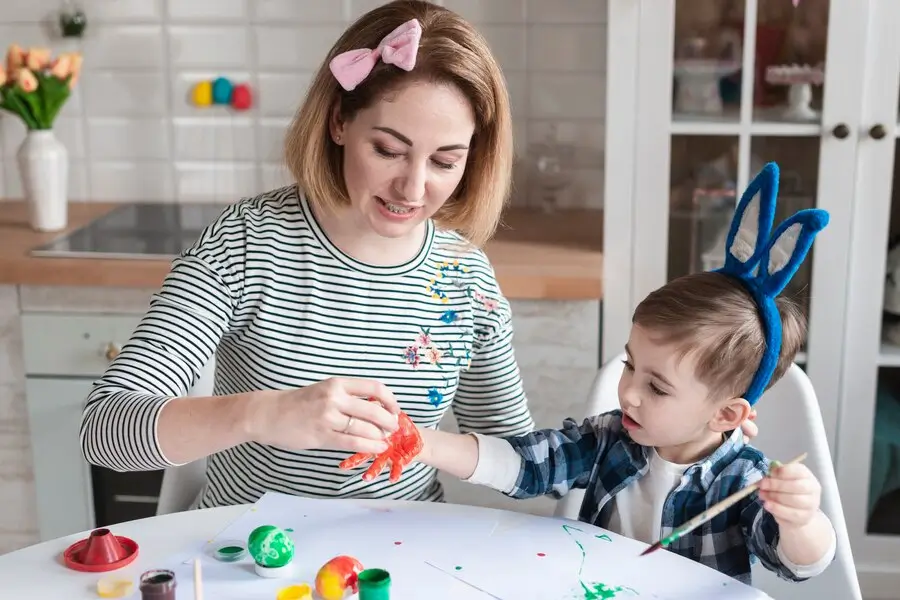
ABA (Applied Behavior Analysis) training at home can be a life-changing experience for children with autism spectrum disorder (ASD). Creating a learning-friendly environment for ABA therapy can help kids improve their communication, social skills, and overall development. As a parent, understanding how to set up a proper learning space and learning how to implement ABA strategies can make all the difference. aba training for parents provides the tools and resources needed to establish an effective environment at home, ensuring your child receives the right support in a comfortable and consistent way.
Understanding ABA Therapy
ABA therapy is based on the principles of learning and behavior. It focuses on using positive reinforcement to teach new skills and reduce undesired behaviors. This approach is highly structured, involving a series of step-by-step interventions tailored to meet the individual needs of each child. By implementing ABA techniques, parents can create a supportive learning atmosphere that can lead to significant improvements in a child’s development.
The Role of Parents in ABA Training
Parents play a critical role in ABA training, especially when it’s done at home. While therapists provide direct instruction, parents reinforce these lessons throughout daily life. ABA training for parents helps you understand how to structure your child’s day, provide appropriate reinforcement, and respond to challenging behaviors in a constructive way. By becoming actively involved, parents can support their child’s progress even when therapy is not taking place.
Setting Up the Right Environment for ABA Therapy
A key factor in effective ABA training is creating an environment that is both structured and supportive. Here are a few tips on how to set up your home for ABA therapy:
1. Designate a Consistent Space
Having a dedicated learning space in your home is essential for ABA training. This area should be free of distractions and equipped with all the materials needed for therapy, such as flashcards, toys, and visual aids. Consistency in where your child practices ABA skills will help them understand that it’s time to focus and learn.
2. Minimize Distractions
To help your child concentrate during ABA therapy, minimize distractions in the learning space. Turn off the TV, put away unnecessary toys, and avoid using mobile phones during sessions. A quiet and calm environment promotes focus, allowing your child to engage with the activities more effectively.
3. Use Visual Schedules
Visual schedules are helpful tools for children undergoing ABA therapy, as they provide a clear and predictable routine. By creating a visual schedule that outlines the day’s activities, you help your child understand what is coming next, reducing anxiety and increasing cooperation.
Understanding ABA Training for Parents
ABA training for parents involves learning how to implement behavior strategies effectively and consistently. Parents are taught how to reinforce positive behaviors, manage challenges, and break tasks into smaller, more manageable steps. It’s also important to understand the different types of reinforcement—both positive and negative—and how they can be used to shape behavior. This knowledge is crucial for helping your child progress in their therapy.
Parents are often taught to use techniques like prompting (giving cues to guide the child toward the right behavior), chaining (breaking down tasks into smaller steps), and reinforcement schedules (rewarding behaviors in different ways). With proper guidance, parents can become an integral part of their child’s ABA therapy success.
How to Make ABA Training Fun and Engaging
While ABA therapy is structured, it can also be fun for your child. Making the learning process enjoyable is key to encouraging your child’s participation and progress. Here are some ways to keep the experience engaging:
1. Incorporate Play into Therapy
Use playtime as an opportunity to practice ABA strategies. By playing with toys or engaging in games, your child can learn communication and social skills in a natural, relaxed setting. You can incorporate simple commands, like asking your child to “give me the red block,” or “clap your hands,” while playing.
2. Use Favorite Activities as Reinforcement
Another way to make ABA training enjoyable is by using your child’s favorite activities or toys as reinforcement. For instance, if your child enjoys a certain TV show or toy, reward them with a few minutes of that activity when they successfully complete a task. This approach makes learning more motivating.
Telehealth ABA Therapy: A New Approach
In some cases, telehealth aba therapy can be a valuable option for families. Telehealth allows therapists to provide support remotely, offering guidance to parents and helping them implement ABA strategies from home. This method has become increasingly popular, especially for families living in areas where in-person therapy is not available or during times when it’s difficult to attend face-to-face sessions.
Through telehealth sessions, parents can learn how to work with their child in real-time, with the therapist observing and offering advice. This approach also allows for more flexibility and convenience, as parents don’t have to worry about travel time or scheduling conflicts.
Incorporating ABA Strategies Throughout the Day
ABA therapy is not limited to formal sessions—it should be integrated throughout your child’s daily routine. For example, you can use ABA techniques when it comes to mealtimes, bedtime, and even chores. By embedding ABA principles into everyday activities, you ensure that your child is continuously learning, whether it’s about following instructions, making choices, or practicing social skills.
Conclusion
Creating a learning-friendly environment at home for ABA training is essential for the success of your child’s therapy. By setting up a dedicated space, minimizing distractions, and actively participating in your child’s ABA journey, you can support their growth and development. Remember, ABA training for parents is about consistency and reinforcement. With the right environment and tools, your child can make significant progress in their learning and behavior.



