 WhatsApp Us Now
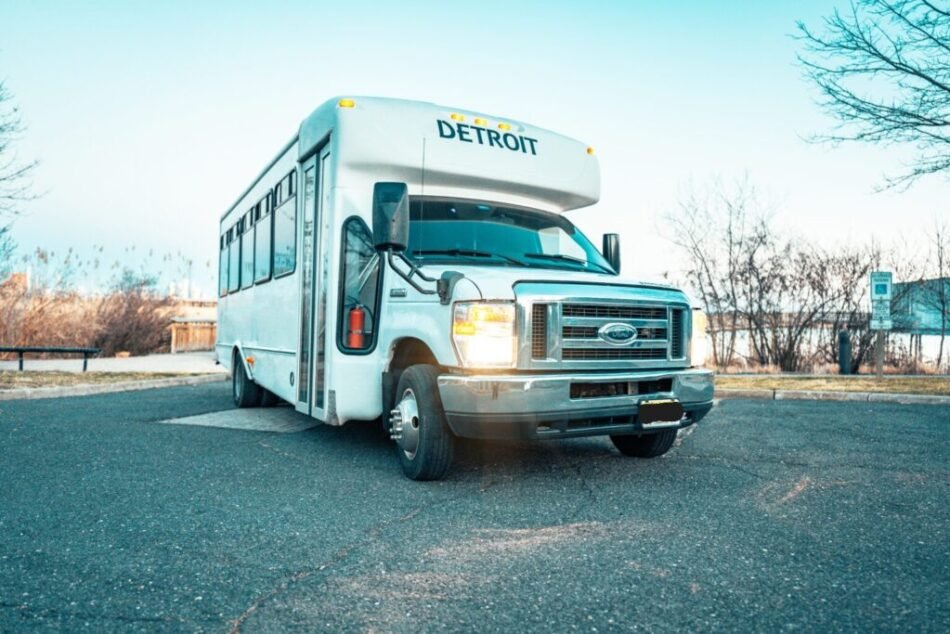
New York City is one of the busiest metropolitan areas in the world, attracting millions of residents and visitors every year. Whether attending a wedding in Manhattan, celebrating a birthday in Brooklyn, or traveling with a group to a concert in Queens, transportation can significantly affect the overall experience. Coordinating multiple vehicles, navigating traffic, and finding parking often become challenging, especially for larger groups.
Party bus transportation offers a practical solution by allowing everyone to travel together in a single vehicle while enjoying a comfortable ride. Although party buses are commonly associated with celebrations, they are also used for business gatherings, sightseeing tours, family events, and other group outings. To get more…
This guide explains how party bus transportation works in New York City, when it is commonly used, what features passengers can expect, and the factors to consider before making a reservation.
What Is a Party Bus?
A party bus is a large passenger vehicle designed to transport groups while providing enhanced comfort and entertainment features. Unlike traditional buses, party buses often include premium interiors with comfortable seating arrangements and amenities intended to make the journey more enjoyable.
Depending on the vehicle, passengers may find features such as:
- Wraparound or lounge-style seating
- Interior LED lighting
- Climate control systems
- Premium audio systems
- Television screens or multimedia options
- Spacious interiors for group travel
While entertainment features are common, the primary purpose of a party bus remains safe and convenient transportation for groups traveling to one or multiple destinations.
Why Party Bus Transportation Is Popular in New York City
New York City’s dense traffic, limited parking, and busy streets make group travel more complicated than in many other cities. Coordinating several vehicles can lead to delays, confusion, and additional transportation costs.
Using a single vehicle allows everyone to travel together, making arrival and departure more organized. It also reduces the need for multiple drivers and simplifies coordination between passengers.
Party buses are especially useful when destinations involve several stops throughout the day or evening, allowing the group to remain together throughout the trip.
Common Occasions for Party Bus Transportation
Although the name suggests celebrations, party buses serve a variety of transportation needs.
Weddings
Wedding parties often require transportation between hotels, ceremony venues, photography locations, and reception halls. A party bus can simplify logistics by keeping family members and guests together.
Birthday Celebrations
Groups celebrating birthdays frequently travel between restaurants, entertainment venues, and nightlife destinations. A single vehicle helps eliminate transportation coordination between locations.
Bachelor and Bachelorette Parties
These events often involve multiple stops throughout the evening. Group transportation allows participants to travel together while following a planned itinerary.
Corporate Events
Businesses sometimes arrange transportation for conferences, meetings, client events, or employee gatherings. Group travel can improve scheduling and reduce parking concerns.
Proms and School Events
Many families choose group transportation for proms and formal school events because it allows students to travel together under professional transportation arrangements.
Sporting Events and Concerts
Large events often create heavy traffic and limited parking. Traveling together can simplify arrival and departure while reducing the need for multiple vehicles.
Features Commonly Found on Modern Party Buses

Party buses vary depending on size and model, but many include features intended to improve passenger comfort.
Comfortable Seating
Most vehicles provide cushioned seating arranged around the interior rather than traditional forward-facing bus seats.
Entertainment Systems
Many buses include surround sound systems, television screens, Bluetooth connectivity, or multimedia equipment suitable for group entertainment during travel.
Interior Lighting
LED lighting systems are commonly installed to create a modern atmosphere, particularly during evening transportation.
Climate Control
Heating and air conditioning systems help maintain passenger comfort regardless of the season.
Spacious Interiors
Compared with standard passenger vehicles, party buses provide additional space that allows groups to move comfortably throughout the trip.
Factors to Consider Before Booking
Choosing the right transportation involves more than selecting the largest available vehicle. Several factors can help ensure the transportation matches the group’s needs.
Group Size
Vehicle capacity should comfortably accommodate all passengers. Selecting the appropriate size helps maximize both comfort and efficiency.
Trip Duration
Some trips involve a single destination, while others include multiple stops over several hours. Understanding the itinerary helps determine the appropriate transportation arrangement.
Budget
Rental costs vary depending on vehicle size, travel time, location, and seasonal demand. Comparing available options can help travelers find transportation that fits their budget.
Pickup and Drop-off Locations
Providing accurate pickup locations and planned destinations helps transportation providers create efficient travel routes.
Company Policies
Reviewing cancellation policies, overtime charges, passenger limits, and permitted activities before booking can help avoid misunderstandings later.
Safety Considerations
Safety should always be a priority when arranging group transportation.
Professional transportation companies typically maintain commercial vehicles according to applicable regulations and employ licensed chauffeurs trained to transport passengers safely.
Passengers should also follow vehicle rules, remain seated when appropriate, and respect occupancy limits throughout the trip.
Planning transportation in advance also reduces last-minute scheduling issues and allows enough time to coordinate pickup locations and travel routes.
Tips for Planning Group Transportation
Successful transportation planning often begins several weeks before the event.
Helpful planning tips include:
- Confirm the total number of passengers.
- Finalize pickup and drop-off locations.
- Create a realistic travel schedule.
- Allow extra time for New York City traffic.
- Share the itinerary with all passengers before departure.
- Confirm reservation details several days before the event.
Good communication helps ensure the transportation experience runs smoothly from beginning to end.
Summary
Party bus transportation offers a practical and comfortable solution for group travel throughout New York City. Whether the occasion involves a wedding, corporate gathering, birthday celebration, sporting event, or sightseeing trip, traveling together can simplify logistics and improve the overall experience.
Understanding vehicle features, planning transportation carefully, considering group size, and reviewing company policies before booking all contribute to a smoother journey. By preparing in advance and selecting transportation that fits the group’s needs, travelers can focus more on their event and less on the challenges of navigating one of the world’s busiest cities.
FAQs
1. What is the main purpose of a party bus?
A party bus is designed to transport groups together while providing comfortable seating and additional amenities that enhance the travel experience.
2. How many passengers can a party bus accommodate?
Capacity varies depending on the vehicle. Smaller buses may carry around 10 to 20 passengers, while larger models can accommodate 30 or more.
3. Are party buses only used for celebrations?
No. Party buses are also commonly used for corporate events, airport transfers, sightseeing tours, weddings, sporting events, concerts, and other forms of group transportation.
4. How far in advance should a party bus be booked?
Booking several weeks in advance is generally recommended, especially during peak seasons, weekends, holidays, and major event periods.
5. What information should be prepared before making a reservation?
It is helpful to know the expected number of passengers, travel date, pickup and drop-off locations, estimated trip duration, and any planned stops along the route.

