 WhatsApp Us Now

It’s a familiar cycle for a lot of people: buy a pair of sunglasses, love them for a season, and then watch them slowly fall apart — loose hinges, scratched lenses, a frame that no longer sits quite right. The frustrating part is that this usually has very little to do with bad luck and everything to do with what actually went into the pair in the first place. Shopping for Sunglasses for Women that genuinely hold up over time means looking past color and shape alone, and paying attention to the details that actually determine whether a pair survives daily wear or ends up replaced within a year.
This guide breaks down exactly what to check before buying, so a favorite pair doesn’t become a seasonal disappointment.
Start With the Frame Material
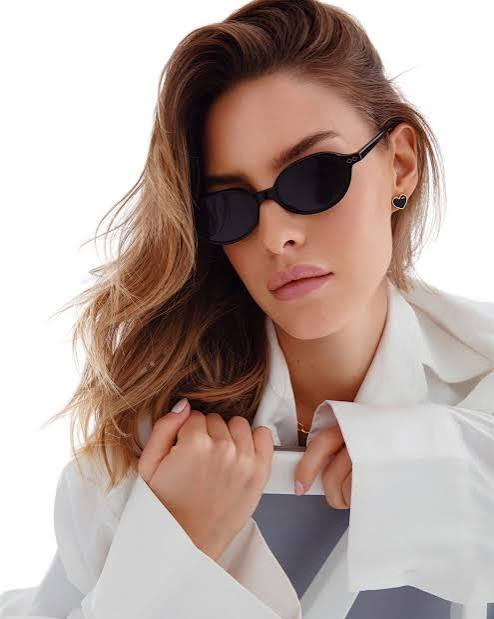
Frame material is the single biggest factor in long-term durability, and it’s worth understanding the trade-offs between the most common options.
- Acetate is a popular choice for its rich color depth and comfortable, slightly flexible feel. Good-quality acetate holds up well over years of use, though cheaper versions can become brittle over time, particularly with heat exposure.
- Metal frames (typically stainless steel or titanium) tend to be lightweight and durable, resisting bending and general wear better than most materials, though they can be more prone to visible scratches on the surface finish.
- TR90 and other engineered plastics are increasingly popular for their flexibility and resistance to breaking, making them a strong option for anyone hard on their sunglasses or prone to sitting on or stepping on a stray pair.
None of these materials is universally “best” — the right choice depends on lifestyle, how the sunglasses will actually be used day to day, and personal preference around weight and feel.
Check the Hinges Closely
Hinges are one of the most common failure points in lower-quality sunglasses, and they’re also one of the easiest things to check before buying. Spring hinges, which allow the temples to flex slightly outward, tend to hold up significantly better over time than rigid hinges, since they absorb the everyday stress of putting sunglasses on and taking them off rather than transferring all that pressure directly onto the frame. Gently testing the temple movement in-store, when possible, gives a real sense of build quality before committing to a pair.
Understand What You’re Actually Paying For in the Lenses
Lens quality matters just as much as frame durability, and it’s where a lot of the real functional value of a pair of sunglasses actually lives. Genuine UV Protection should be the absolute baseline — sunglasses without proper UV filtering aren’t doing their core job, regardless of how dark the lenses appear. Beyond that baseline, polarization (which reduces glare from reflective surfaces like water or pavement) and scratch-resistant coatings both meaningfully extend how good a pair looks and performs over time.
It’s worth being skeptical of extremely cheap sunglasses claiming full UV protection without any real verification — this is one area where price often does correlate with genuine quality, since proper UV coating adds real manufacturing cost that budget frames frequently skip.
Fit Matters More Than People Expect
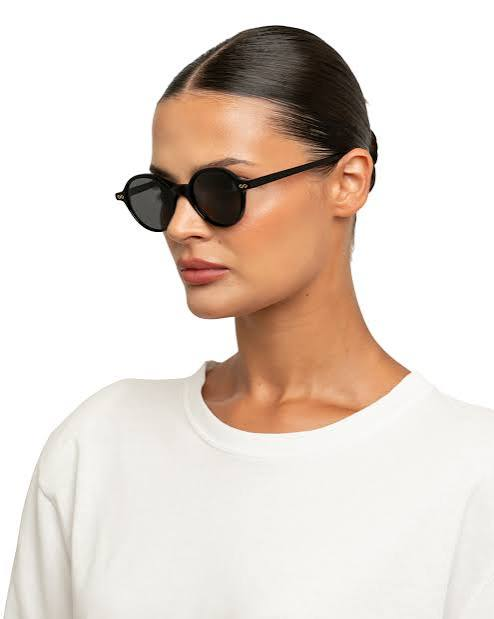
A pair that doesn’t fit properly is far more likely to get damaged, simply because poor fit leads to more handling, adjusting, and general mishandling throughout the day. A few fit checks worth doing before buying:
- Bridge fit. Sunglasses that constantly slide down the nose get taken on and off far more often, accelerating wear on the hinges.
- Temple length. Temples that are too long or too short create pressure points that can eventually loosen the frame’s structure over time.
- Overall weight distribution. A well-balanced pair should feel evenly weighted rather than front-heavy, which reduces strain on the frame during regular wear.
Don’t Skip a Proper Case
This might be the single most overlooked factor in sunglasses longevity. A high-quality pair stored loosely in a bag, without any real protection, is exposed to constant risk of scratches, bent frames, or a cracked lens from incidental pressure. A hard protective case is a small investment that meaningfully extends the life of any pair, regardless of how well-built the frame itself is.
Price as a Signal, Not a Guarantee
Price isn’t a perfect indicator of quality, but it’s rarely irrelevant either. Extremely low-cost sunglasses often cut corners in ways that aren’t immediately visible — thinner hinge pins, lower-grade UV coatings, or frame materials prone to fading and warping. That said, a high price tag alone doesn’t guarantee durability either; it’s worth actually evaluating material, hinge quality, and lens construction directly rather than assuming cost alone tells the full story.
Where a Well-Curated Collection Makes a Real Difference
Buying from a collection that’s genuinely built around quality materials and construction — rather than fast fashion turnover — makes this entire buying process considerably easier. Karen Wazen’s sunglasses collection is a good example of this kind of considered approach, offering a range of frame materials and styles built with the kind of attention to hinge quality, lens performance, and overall construction that actually holds up to daily wear, rather than needing to be replaced every season.
Final Thoughts
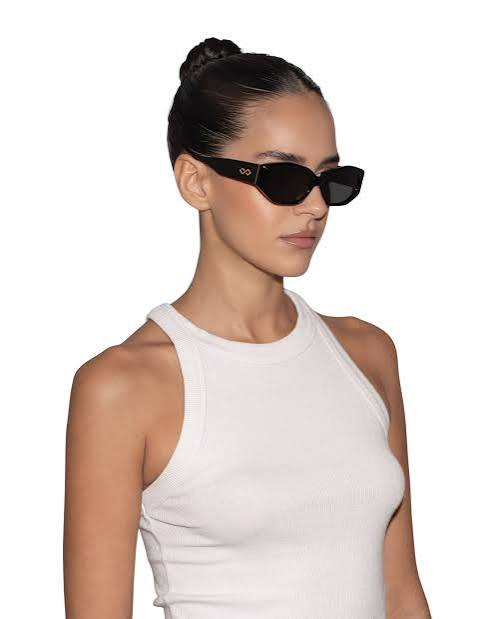
Choosing Eyewear that genuinely lasts comes down to looking past color and shape and paying attention to the details that actually determine durability — frame material, hinge construction, real UV protection, proper fit, and how the pair is stored day to day. Get those fundamentals right, and a good pair of sunglasses becomes a long-term investment rather than a seasonal purchase repeated year after year.
For More Details about karenwazen
Contact: +971 50 702 1037
Facebook: karenwazen
Email: Customercare@karenwazen.com

