 WhatsApp Us Now
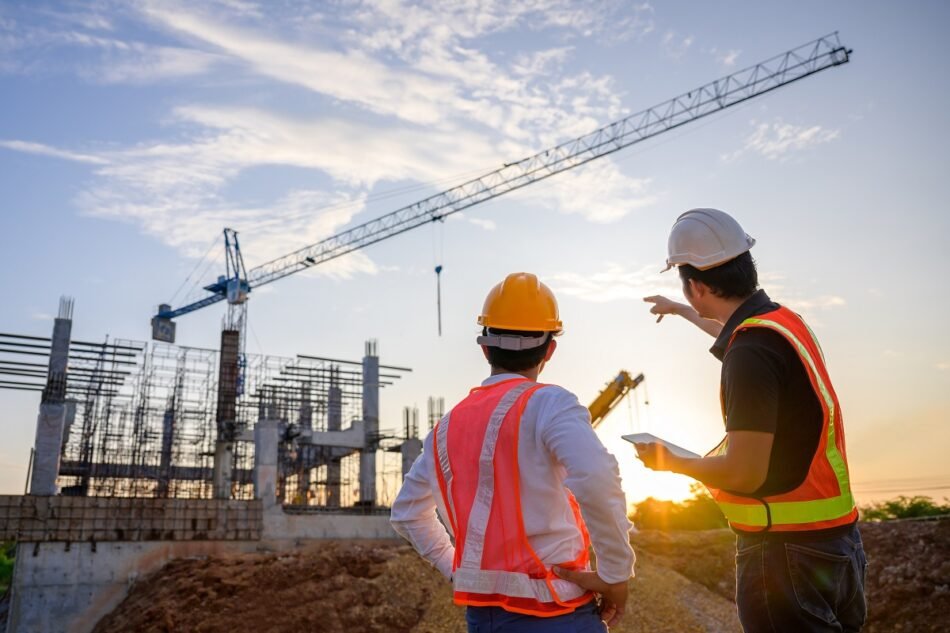
Safety compliance in commercial construction is a critical aspect of any project, ensuring the well-being of workers, the public, and the environment while also safeguarding a company’s reputation and financial stability. With the complexity of modern construction projects, which often involve multiple teams, heavy machinery, and hazardous materials, adhering to safety standards is not just a regulatory requirement but a moral obligation and a cornerstone of operational efficiency. This is especially true for companies offering the best commercial construction in San Francisco Bay Area, where high standards are expected in every aspect of the project.
Achieving safety compliance involves understanding and implementing applicable laws and regulations. It requires conducting proactive planning to mitigate risks. Providing thorough and ongoing training equips workers with the necessary knowledge and skills. Maintaining constant vigilance through regular inspections and audits is also essential.
Understanding and Following Regulations
Safety compliance begins with a comprehensive understanding of the laws and standards that govern commercial construction. This includes adhering to OSHA standards, which provide guidelines for workplace safety, and staying updated on local and state regulations that may impose additional requirements. Beyond legal obligations, incorporating industry best practices enhances safety measures, even if they exceed mandated standards. Staying informed about regulatory changes ensures that construction companies remain compliant at all times.
Developing a Comprehensive Safety Plan
A robust safety plan is the cornerstone of a safe construction site. This plan should include a thorough risk assessment to identify potential hazards, detailed emergency procedures to handle unexpected incidents, and clearly defined safety protocols for routine operations. Every member of the workforce, from project managers to on-site workers, should have access to the safety plan and understand its contents. A well-documented plan not only minimises risks but also demonstrates a company’s commitment to safety.
Training the Workforce
Effective safety training is essential for ensuring compliance. Workers should undergo initial training before starting any project to familiarise themselves with safety practices. Regular refresher courses keep them updated on new safety measures and reinforce existing protocols. Additionally, specialised training is crucial for tasks with higher risk, such as working at heights or handling hazardous materials. A well-trained workforce is more likely to identify potential hazards and respond appropriately, reducing the likelihood of accidents.
Providing Proper Personal Protective Equipment (PPE)
Personal Protective Equipment (PPE) is a fundamental component of construction safety. Workers must be equipped with helmets, gloves, goggles, and other protective gear appropriate for their tasks. For high-risk activities, specialized PPE, such as chemical-resistant suits or hearing protection, should be provided. Regular inspection and timely replacement of worn or damaged PPE ensure its effectiveness, safeguarding workers from injuries.
Conducting Regular Inspections and Audits
Routine inspections and audits are vital for maintaining safety standards on construction sites. Supervisors should conduct daily walkthroughs to identify and address potential hazards. Third-party audits can offer an unbiased perspective on safety compliance, highlighting areas for improvement. Additionally, machinery and equipment should be inspected regularly to ensure they are in proper working condition. By documenting inspection results and acting on identified issues promptly, companies can prevent accidents and improve overall safety.
Fostering a Safety-First Culture
A culture that prioritizes safety is key to ensuring compliance across all levels of a construction project. Encouraging open communication allows workers to voice safety concerns without fear of reprisal. Recognizing and rewarding employees who adhere to safety protocols reinforces positive behavior. Regular safety meetings provide a platform for discussing challenges and sharing solutions. When safety becomes a shared responsibility, it transforms from a set of rules into an intrinsic part of the workplace culture.
Leveraging Technology for Enhanced Safety
Technological advancements offer innovative solutions to improve safety compliance. Drones can be used for site inspections, providing a bird’s-eye view of potential hazards without endangering workers. Wearable devices monitor workers’ health and environmental conditions, offering real-time alerts for risks such as heat stress or unsafe air quality. Construction management software streamlines the tracking of training schedules, inspection records, and compliance reports, ensuring nothing is overlooked. By integrating technology into safety practices, construction companies can enhance efficiency and reduce risks.
Preparing for Emergencies
Even with the best precautions, emergencies can still arise, making preparation essential. Construction sites should be equipped with accessible first aid kits and clear evacuation routes. Designating and training an emergency response team ensures that incidents are managed swiftly and effectively. Regular drills familiarise workers with emergency procedures, minimizing panic and confusion during actual crises. Proper preparation can save lives and mitigate the impact of unforeseen events.
Conclusion
Ensuring safety compliance in commercial construction is a multifaceted process that requires continuous effort, collaboration, and innovation. By understanding regulations, creating comprehensive safety plans, investing in training, and leveraging technology, construction companies can protect their workforce, improve efficiency, and avoid costly penalties.
At Aeolus & Hermes Construction, we specialize in designing attractive, efficient spaces that are tailored to meet your needs. Whether you’re remodeling your kitchen, bathroom, home, or any other area, we bring expertise, skilled craftsmanship, and excellence to every project.
Our experienced professionals understand that quality general contractor in San Francisco Bay Area enhances both the functionality and aesthetics of your space. From innovative ideas to the final finishing touches, we collaborate closely with you to ensure the highest standards of quality and satisfaction.


