 WhatsApp Us Now

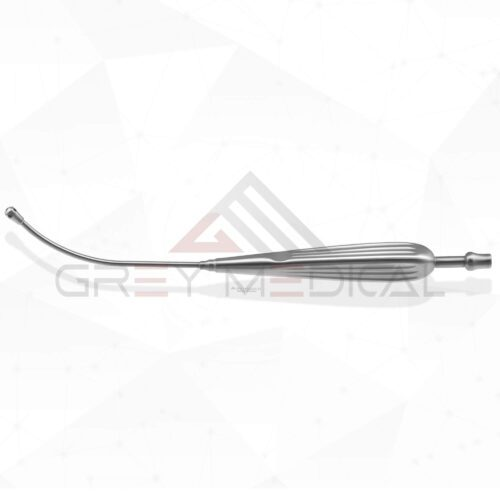
In the fast-paced environment of an operating room, maintaining a clear and unobstructed view of the surgical site is paramount to patient safety and procedural success. Blood, irrigation fluids, and other bodily secretions can rapidly accumulate during complex operations, obscuring vital anatomical structures and increasing the risk of complications. To counter this challenge, medical professionals rely heavily on specialized aspiration devices that efficiently evacuate fluids from the operative field. Among these indispensable tools, the surgical suction tube stands out as a foundational instrument across virtually every surgical discipline. By providing continuous or intermittent fluid removal, this device ensures that surgeons can execute delicate maneuvers with complete visibility, accuracy, and control throughout the entire procedure.
Engineering Excellence and Ergonomic Design of Aspiration Devices
The effectiveness of any fluid evacuation instrument depends largely on its structural design, balance, and material composition. Manufacturers craft these instruments from high-grade, medical-standard stainless steel or durable surgical polymers to withstand repeated sterilization cycles without degrading or corroding. A well-constructed surgical suction tube features a smooth, atraumatic tip that prevents accidental damage to fragile tissues, blood vessels, and organs while effectively drawing away fluids. Furthermore, ergonomic handles and strategically placed finger control vents allow practitioners to regulate suction pressure instantaneously with minimal hand fatigue. This thoughtful engineering transforms a simple hollow cannula into a responsive extension of the surgeon’s hand during lengthy and demanding interventions.
Specialized Variations for Diverse Surgical Disciplines
Because anatomical landscapes vary drastically from one part of the human body to another, medical science has developed numerous specialized iterations of aspiration cannulas. For instance, delicate neurosurgical and otolaryngological procedures require slender, angled instruments like the Frazier or Baron tubes, which offer pinpoint accuracy in tight spaces without blocking the surgeon’s line of sight. Conversely, deep abdominal or orthopedic surgeries often demand robust, high-volume instruments such as the Yankauer or Poole models, designed to clear large volumes of blood and debris rapidly without clogging. Selecting the appropriate surgical suction tube tailored to the specific anatomical region ensures optimal fluid management and minimizes trauma to surrounding cellular structures.
Enhancing Operative Efficiency and Patient Safety
Beyond simply clearing away excess liquids, proper fluid evacuation plays a critical role in infection control and postoperative recovery. Pooled blood and surgical debris can serve as breeding grounds for bacteria, increasing the likelihood of surgical site infections if left unaddressed. Utilizing a reliable surgical suction tube significantly reduces this risk by keeping the wound bed clean and dry, thereby promoting faster alice tissue forceps healing and reducing postoperative inflammation. Additionally, clear visibility minimizes the duration of the operation, which directly correlates with reduced anesthesia exposure, lower blood loss, and improved overall clinical outcomes for the patient.
Maintenance, Sterilization, and Quality Assurance Standards
To guarantee consistent performance and uphold strict hygiene protocols, healthcare facilities must adhere to rigorous cleaning and sterilization routines for reusable aspiration instruments. Because these devices feature narrow internal lumens that come into direct contact with biological fluids, thorough enzymatic cleaning and ultrasonic flushing are essential before autoclaving. Inspecting each surgical suction tube for microscopic cracks, blockages, or tip deformities ensures that no compromised instrument ever reaches the sterile field. Investing in superior-grade instruments not only simplifies the decontamination process for sterile processing departments but also extends the operational lifespan of the hospital’s surgical inventory.
Partnering with Grey Medical for Superior Surgical Solutions
Welcome to Grey Medical, your trusted partner in premium-quality surgical instruments. With decades of experience in the medical industry, we pride ourselves on delivering precision-crafted tools designed to meet the rigorous demands of surgeons, doctors, and medical professionals worldwide. Our comprehensive catalog includes an extensive selection of meticulously engineered aspiration devices crafted from certified German stainless steel to guarantee unmatched durability, balance, and performance. Every instrument undergoes stringent quality assurance testing to ensure flawless functionality in the most critical clinical scenarios, empowering healthcare teams to deliver the highest standard of care.
Conclusion
Ultimately, the success of modern surgical interventions relies on the seamless integration of skilled medical expertise and dependable instrumentation. From delicate microsurgeries to major trauma reconstructions, effective fluid management remains a cornerstone of safe and efficient operative care. By choosing high-precision, ergonomically designed aspiration tools, medical facilities safeguard both practitioner performance and patient well-being. Investing in certified, durable surgical equipment ensures that every procedure is supported by clarity, control, and unwavering reliability from the initial incision to final closure.


