 WhatsApp Us Now

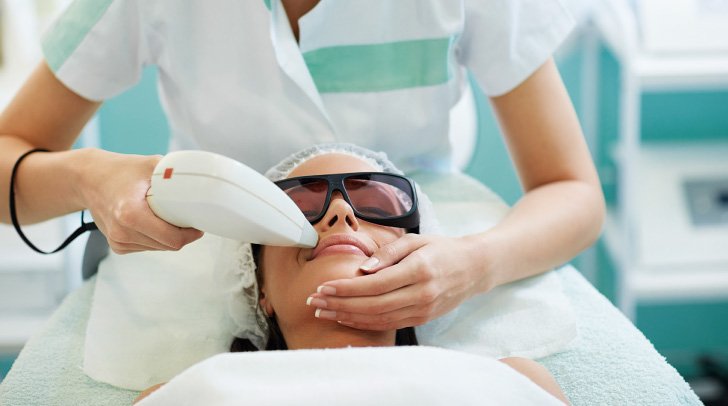
Laser Hair Bleaching has become an increasingly popular cosmetic option for individuals who want to improve the appearance of unwanted or visible body hair. However, every patient has different skin characteristics, hair types, and aesthetic expectations. A personalized approach helps specialists select suitable procedures and treatment settings according to individual requirements. People exploring تبييض الشعر بالليزر في دبي can benefit from an individualized consultation to understand their options. A customized treatment plan also helps establish realistic expectations, address potential concerns, and support a more comfortable treatment experience.
What Is a Personalized Laser Hair Treatment Plan?
A personalized laser hair treatment plan is an approach designed around an individual’s skin condition, hair characteristics, and cosmetic goals.
Rather than applying identical procedures to every patient, specialists evaluate individual requirements before recommending a suitable treatment. They consider factors such as skin tone, hair colour, hair thickness, treatment area, and previous cosmetic experiences.
The plan may include the recommended laser technology, treatment settings, appointment intervals, preparation instructions, and aftercare recommendations.
This approach helps ensure that treatment decisions are based on individual needs rather than general assumptions.
Why Do Different Patients Need Different Laser Treatments?
Not everyone has the same hair characteristics or skin response. Some individuals have thick, dark hair, while others have fine or lightly pigmented hair.
Similarly, skin tones and sensitivity levels can differ significantly. These variations influence which laser technologies and treatment settings may be appropriate.
For example, conventional laser hair reduction and laser hair bleaching have different objectives. Hair reduction aims to decrease unwanted hair growth, while hair bleaching focuses on making visible hair less noticeable.
A personalized assessment helps specialists identify which approach better matches the patient’s expectations.
How Does a Personalized Plan Improve Treatment Selection?
Selecting appropriate technology is one of the most important parts of laser treatment planning.
Specialists consider the patient’s skin tone, hair pigmentation, treatment area, and desired cosmetic improvement before recommending a suitable device.
Modern laser systems may offer adjustable settings and different technological features. However, the most advanced device is not necessarily the best option for everyone.
A customized plan allows specialists to select suitable equipment and follow appropriate treatment protocols according to individual characteristics.
This can help avoid unnecessary procedures and support more informed treatment decisions.
Why Is Skin Type Important in Personalized Laser Treatment?
Skin type and pigmentation play an important role in determining laser treatment suitability.
Different skin tones can respond differently to laser energy. Therefore, specialists evaluate natural pigmentation, sensitivity, tanning history, and existing skin concerns before selecting treatment settings.
Patients with sensitive skin may require additional precautions or modified treatment approaches.
A personalized assessment can also identify conditions such as irritation, inflammation, or recent sunburn that may require treatment postponement.
Understanding these factors helps specialists prioritize skin safety while planning the procedure.
How Does Hair Type Influence a Treatment Plan?
Hair colour, thickness, density, and texture can affect the selection of laser procedures.
Thicker and darker hair generally responds differently to conventional laser hair reduction than fine or lightly pigmented hair.
For hair bleaching, specialists consider how visible the hair is against the surrounding skin and whether the selected technology is appropriate for the intended cosmetic effect.
Different body areas may also contain different hair characteristics. As a result, specialists may recommend different approaches for the face, arms, legs, or other treatment areas.
This individualized evaluation helps align the procedure with the patient’s specific concerns.
Can Personalized Treatment Planning Improve Patient Comfort?
Yes. Individualized planning can help specialists identify factors that may increase discomfort or skin sensitivity during treatment.
During the consultation, patients can discuss previous reactions, skin allergies, and experiences with other cosmetic procedures.
Specialists may consider appropriate cooling methods, treatment settings, and additional precautions depending on the selected technology.
Patients with sensitive skin may also receive specific preparation and aftercare recommendations.
Although comfort levels vary between individuals, personalized planning helps address potential concerns before treatment begins.
Why Are Treatment Sessions and Intervals Important?
Treatment schedules should be determined according to the procedure, technology, and individual response.
Some laser treatments require multiple sessions, while others may follow different appointment schedules. The number of sessions and intervals should not be assumed to be identical for every patient.
Specialists may review progress during follow-up appointments and adjust recommendations when appropriate.
For laser hair bleaching, the maintenance schedule may differ from conventional hair reduction because the treatment focuses on hair visibility rather than permanent reduction of hair growth.
Following the recommended schedule helps patients understand the treatment process and maintain realistic expectations.
How Does a Personalized Plan Support Skin Safety?
Safety is an essential consideration when selecting any cosmetic laser procedure.
A customized treatment plan allows specialists to identify potential risk factors before beginning. These may include recent tanning, skin sensitivity, previous pigmentation changes, medications, and existing skin conditions.
Depending on the procedure, a patch test may also be recommended to evaluate how the skin responds to the selected settings.
Specialists can provide specific preparation and aftercare instructions to help reduce unnecessary irritation.
Patients should always disclose relevant medical information and follow professional recommendations throughout the treatment process.
What Should Patients Expect During a Personalized Consultation?
An initial consultation helps specialists collect the information needed to develop an appropriate treatment strategy.
The appointment may include:
- Examination of the skin and treatment area.
- Assessment of hair colour, thickness, and density.
- Discussion of cosmetic goals and expectations.
- Review of previous laser treatments.
- Evaluation of skin sensitivity and medical history.
- Selection of suitable treatment technology.
- Explanation of preparation and aftercare instructions.
Patients can also ask about potential side effects, treatment limitations, maintenance requirements, and expected results.
This discussion helps establish clear communication between the patient and specialist.
Frequently Asked Questions:
Why is a personalized laser hair treatment plan necessary?
It helps specialists select suitable technology, treatment settings, and procedures based on individual skin characteristics, hair type, and cosmetic goals.
Does every patient require the same number of laser sessions?
No. The number of sessions depends on the selected procedure, treatment objectives, individual characteristics, and response to treatment.
Can a personalized plan help people with sensitive skin?
Yes. Specialists can evaluate sensitivity and recommend appropriate precautions, treatment settings, and aftercare instructions.
Does hair colour affect personalized laser treatment?
Yes. Hair pigmentation can influence how different laser technologies work, making individual hair assessment important before treatment.
Can a laser treatment plan be adjusted after the first session?
Yes. Specialists may review the patient’s response during follow-up appointments and modify recommendations when clinically appropriate.
Conclusion:
A personalized laser hair treatment plan is important because every patient has different skin characteristics, hair types, and cosmetic expectations. Individual assessment helps specialists select suitable technology, determine appropriate treatment settings, and provide specific preparation and aftercare recommendations. It also supports realistic expectations and helps address potential safety concerns. By following a customized approach and maintaining communication with qualified specialists, patients can make informed decisions about their laser hair treatment options.


