 WhatsApp Us Now


Quick Answer: Air pollution can irritate the airways and worsen asthma symptoms, particularly in people sensitive to dust, smoke, vehicle emissions, and fine particles such as PM2.5. Exposure to polluted air may trigger coughing, wheezing, chest tightness, and breathlessness. Understanding common asthma triggers, monitoring air quality, and following a prescribed asthma management plan can help reduce the risk of flare-ups.
Introduction: Understanding the Link Between Air Pollution and Asthma
Air pollution is a major environmental factor that can affect respiratory health. In cities such as Delhi NCR, vehicle emissions, construction dust, industrial smoke, and seasonal smog can increase exposure to harmful airborne pollutants.
For people living with asthma, polluted air can irritate the airways and make breathing more difficult. These effects may increase the frequency or severity of asthma symptoms.
Understanding how pollution affects the lungs can help people recognised triggers and take appropriate precautions.
7 Ways Air Pollution Can Trigger Asthma Symptoms
1. Fine Particles Irritate the Airways
Fine particles such as PM2.5 can travel deep into the respiratory system. Exposure may irritate the airways and trigger inflammation, making breathing uncomfortable for people with asthma.
2. Vehicle Emissions Can Worsen Breathing
Traffic-related pollution contains harmful gases and particles that can affect respiratory health. Spending long periods near busy roads may increase exposure and trigger coughing, wheezing, or chest tightness.
3. Construction Dust Can Trigger Asthma Flare-Ups
Construction activities, road dust, and airborne particles can irritate sensitive airways. People with asthma may experience worsening symptoms when exposed to dusty environments.
4. Smoke Can Increase Airway Inflammation
Smoke from burning waste, biomass, and other sources contains particles that can irritate the respiratory tract. Exposure may trigger coughing and breathing difficulties, especially in people with existing asthma.
5. Industrial Pollution Can Affect Lung Health
Industrial emissions may contain gases and airborne particles that affect respiratory health. Regular exposure can aggravate existing respiratory conditions and make asthma symptoms harder to manage.
6. Smog Can Make Outdoor Activities Difficult
Smog is a mixture of pollutants that can reduce air quality. During periods of high pollution, outdoor activities may expose people with asthma to triggers that cause wheezing, coughing, and breathlessness.
7. Pollution Can Increase Respiratory Sensitivity
Repeated exposure to polluted air may make respiratory symptoms more difficult to control in some people. Those with asthma or respiratory allergies may notice increased coughing, irritation, or breathing discomfort during periods of poor air quality.
Common Asthma Symptoms Triggered by Air Pollution
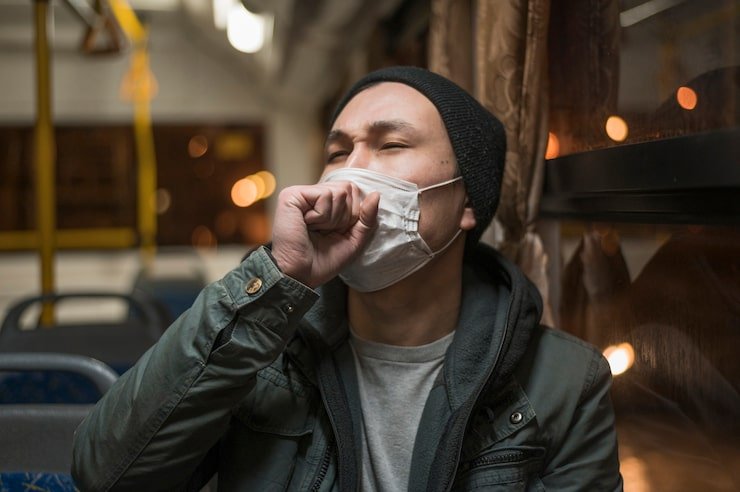
Exposure to air pollution may cause or worsen the following asthma symptoms:
- Persistent coughing
- Wheezing while breathing
- Chest tightness or discomfort
- Shortness of breath
- Difficulty breathing during physical activity
- Night-time coughing or disturbed sleep
The severity of symptoms can vary from person to person. Severe breathing difficulty requires urgent medical attention.
Who Is More Vulnerable to Air Pollution?
Some people may be more sensitive to polluted air, including:
- People diagnosed with asthma
- Children with respiratory sensitivities
- Older adults
- People with COPD or other chronic lung conditions
- Individuals with respiratory allergies
- People who regularly work or exercise outdoors
People with existing respiratory conditions should follow their doctor’s advice during periods of poor air quality.
5 Ways to Protect Yourself from Pollution-Related Asthma Triggers
- Check the AQI: Monitor local air quality before planning outdoor activities.
- Limit outdoor exposure: Avoid strenuous outdoor exercise when pollution levels are high.
- Use a well-fitting N95 mask: Consider wearing one when outdoor exposure cannot be avoided.
- Keep indoor air cleaner: Reduce dust, avoid indoor smoking, and use suitable air filtration where practical.
- Follow your asthma treatment plan: Take prescribed medication as directed and keep your reliever inhaler available if prescribed.
Do not stop or change prescribed asthma medication without consulting your doctor.
When Should You Consult a Pulmonologist in Indirapuram?
Consult a pulmonologist if you experience frequent coughing, wheezing, chest tightness, or breathlessness, particularly when these symptoms worsen during periods of high pollution.
Medical evaluation is important if:
- Asthma symptoms occur more frequently.
- You regularly wake up at night because of coughing or breathing difficulties.
- Your prescribed reliever medication is needed more often than usual.
- Physical activity becomes difficult due to breathlessness.
- Your symptoms do not improve with your existing treatment plan.
A pulmonologist can evaluate your symptoms and help identify whether asthma, respiratory allergies, or another lung condition is contributing to your breathing problems.
Diagnosis and Management of Asthma
Proper diagnosis helps determine the cause and severity of respiratory symptoms. Depending on your medical history and examination, a doctor may recommend:
- Pulmonary Function Test (PFT): Evaluates lung function and helps assess airflow limitation.
- Spirometry: Measures how much air you can breathe out and how quickly.
- Allergy and Asthma Testing: Helps identify relevant allergic triggers when appropriate.
- Chest X-ray: May be advised when another respiratory condition needs to be investigated.
Asthma management may include prescribed inhalers, trigger avoidance, regular monitoring, and follow-up consultations. Treatment should be based on individual symptoms and clinical findings.
Consult Dr Utkarsh Gupta for Asthma and Respiratory Care
Dr Utkarsh Gupta, Consultant in Pulmonology and Sleep Medicine, provides evaluation and care for respiratory conditions, including asthma, COPD, chronic cough, and respiratory allergies.
If air pollution is worsening your breathing or asthma symptoms, timely consultation can help identify possible triggers and guide appropriate respiratory care.
Frequently Asked Questions
Q1. Can air pollution trigger asthma symptoms?
Ans: Yes. Air pollution can irritate the airways and worsen asthma symptoms such as coughing, wheezing, chest tightness, and breathlessness.
Q2. Which air pollutants can affect people with asthma?
Ans: PM2.5, PM10, vehicle emissions, industrial smoke, construction dust, and smoke from burning activities can affect respiratory health and trigger asthma symptoms.
Q3. How does poor air quality affect the lungs?
Ans: Poor air quality can irritate the respiratory tract, worsen airway inflammation, and aggravate existing conditions such as asthma and COPD.
Q4. How can I prevent asthma flare-ups during high pollution?
Ans: Check the AQI, reduce outdoor exposure when pollution is high, wear a well-fitting N95 mask when necessary, maintain cleaner indoor air, and follow your prescribed asthma treatment plan.
Q5. When should I consult a pulmonologist in Indirapuram?
Ans: Consult a pulmonologist if you experience recurring coughing, wheezing, chest tightness, or breathlessness, especially when symptoms become more frequent or difficult to control.


