 WhatsApp Us Now

Introduction
Industrial operations involve numerous machines, electrical systems, and automated processes that require continuous monitoring. During daily operations, equipment may experience unexpected interruptions, electrical abnormalities, or process-related problems. When these situations occur, operators need a clear notification to understand that a particular condition requires attention.
Warning devices help communicate such conditions through audible and visual signals. Among the available signalling solutions, an Electronic Buzzer with Flasher offers the advantage of combining sound and flashing light in one compact assembly.
This type of equipment is useful in industrial environments where operators need to recognise warning conditions without constantly observing every machine or control panel. Its integrated construction can also simplify equipment selection for applications requiring simultaneous audible and visual notifications.
Understanding the Importance of Industrial Signalling
Industrial signalling is an important part of equipment monitoring and operational communication.
In a manufacturing facility, multiple machines may operate simultaneously. An operator may be responsible for monitoring production activities, checking equipment conditions, and coordinating maintenance work.
If a machine develops a fault, a suitable alarm can attract attention and help personnel identify the affected equipment.
Different signalling methods are available, including indicator lamps, electronic buzzers, flashing lights, and combined alarm devices.
A combined warning device is particularly useful when both audible and visual indications are required within the same installation.
What Makes an Electronic Buzzer with Flasher Different?
A conventional buzzer provides an audible warning, while an indicator lamp provides a visual signal.
An integrated flasher buzzer combines these functions within one device.
When activated through a compatible electrical circuit, the buzzer generates an electronic sound while the LED or light indicator flashes repeatedly.
This arrangement provides two notification methods through a single component.
The main difference is convenience. Instead of installing separate devices for simultaneous sound and flashing light, panel designers can consider one integrated unit.
Major Applications in Modern Industries
1. Manufacturing Plants
Manufacturing facilities use different types of machinery for cutting, assembling, packaging, and processing materials.
An alarm device can notify operators when a monitored machine condition requires attention.
2. Electrical Control Rooms
Electrical control rooms contain equipment responsible for monitoring and controlling electrical distribution systems.
A combined signalling unit can be incorporated into compatible control panels to communicate selected alarm conditions.
3. Industrial Automation
Automation systems use controllers and sensors to monitor machine performance.
When programmed conditions indicate a fault or interruption, the controller can activate a suitable warning circuit.
4. Conveyor Systems
Conveyor installations are commonly used for moving products and materials between different production stages.
An audible and visual alarm can help notify personnel when selected operational problems occur.
5. Packaging Equipment
Packaging machinery involves several interconnected operations.
Combined warning devices can be used to communicate equipment interruptions and selected process-related notifications.
6. Utility Monitoring
Industrial facilities use pumps, compressors, ventilation systems, and other utility equipment.
Suitable alarm circuits can activate warning devices when monitored operating conditions require attention.
Important Features to Evaluate Before Purchasing
Selecting suitable signalling equipment requires an understanding of its technical specifications.
Operating voltage: The device should match the electrical supply available in the installation.
Audible output: Sound level should be appropriate for the surrounding noise conditions.
Flashing indication: Check the light colour, flash rate, and visibility.
Mounting arrangement: Verify the required panel cutout and installation depth.
Construction material: Consider the body material and mechanical characteristics.
Environmental protection: Evaluate whether the protection level is appropriate for the installation location.
Duty rating: Confirm whether the product is suitable for the expected operating cycle.
These checks help engineers select equipment according to actual application requirements.
Why Integrated Warning Equipment Is Useful
An integrated alarm provides several practical advantages.
First, it combines audible and visual signals in one assembly. This can reduce the number of separate components required for applications where both functions must operate together.
Second, it can simplify panel layouts. Electrical control panels often contain numerous components, and reducing unnecessary mounting positions can help organise available space.
Third, it provides two forms of notification. The sound can attract attention when an operator is not facing the panel, while the flashing light offers a visible reference.
Finally, a combined assembly can make routine inspection convenient because both signalling functions are housed within one device.
Choosing the Correct Voltage Model
Voltage compatibility is an essential part of selecting electrical signalling equipment.
Different industrial installations may use different AC and DC supply arrangements. Therefore, the selected model must match the available voltage.
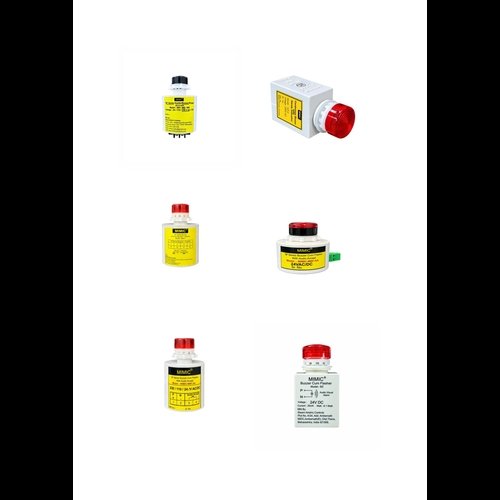
The Mimic Products buzzer cum flasher category includes models for 24V DC, 230V AC, 12–24V AC/DC, 110V DC, and 110V AC applications.
Customers should check the specifications of the individual model before purchasing because the electrical characteristics and wiring requirements may vary.
Installation and Maintenance Considerations
Correct installation supports dependable warning communication.
Before installing the device, check the mounting dimensions, available space, and wiring arrangement.
Always follow the manufacturer’s connection instructions and verify the operating voltage.
Once installed, test both the audible and visual functions through the approved control procedure.
Routine maintenance should include checking the physical condition, mounting security, wiring connections, and operation of the warning signals.
Why Consider Mimic Products?
Mimic Products provides a range of buzzer cum flasher products for industrial signalling requirements.
Its product category includes different voltage configurations and audible warning equipment that can be evaluated for electrical panels, machinery, automation systems, and manufacturing installations.
The range gives customers an opportunity to compare available options according to their application and electrical requirements.
Frequently Asked Questions
1. What is the purpose of an electronic buzzer with flasher?
It provides audible and flashing visual notifications to communicate selected warning conditions.
2. Can it be used in industrial machinery?
Yes, suitable models can be considered for compatible machinery control panels and monitoring systems.
3. What is the advantage of an integrated alarm?
It combines sound and light functions in one device, which can reduce separate component requirements.
4. Are different voltage models available?
Yes, Mimic Products lists different voltage variants in its buzzer cum flasher category.
5. Does the device identify the cause of an equipment fault?
No. It communicates an alarm activated by the connected monitoring or control system.
Conclusion
Effective warning communication is important for modern industrial operations. A combined audible and visual signalling device can help operators recognise selected equipment conditions and respond according to established procedures.
An Electronic Buzzer with Flasher provides a convenient solution for applications requiring sound and flashing light in one assembly.
Mimic Products offers different signalling options that can be evaluated for compatible industrial installations.


