 WhatsApp Us Now

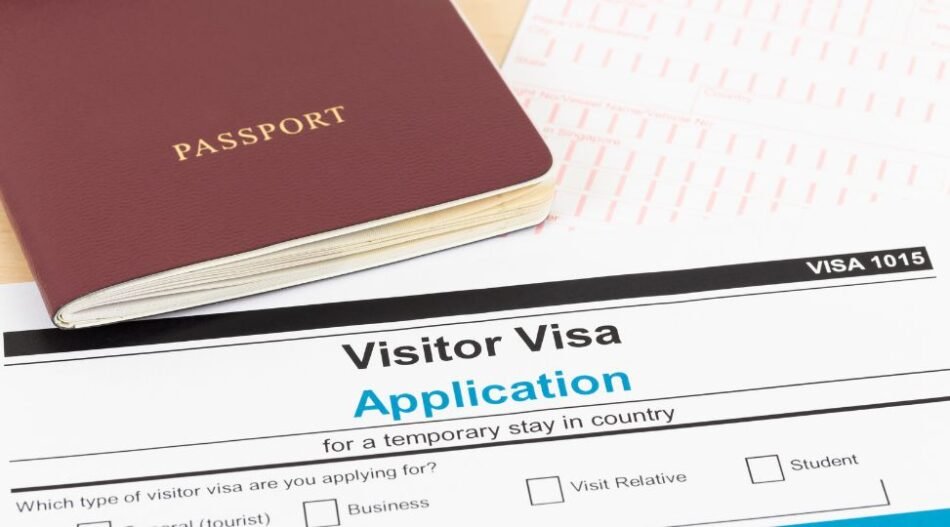
Planning a trip to Australia as a tourist, a business traveller or a family visitor? A significant change is arriving that could affect what you are allowed to do once you land. From 28 November 2026, the No Further Stay condition, known as Condition 8503, will apply to every new visitor visa application in the main categories. If you are thinking about visiting first and sorting out another visa later, you need to understand this rule before you apply.
What Is Changing From 28 November 2026?
Until now, Condition 8503 was attached only to certain sponsored streams of the visitor visa. That is about to change. The government registered the Migration Amendment (Preventing Further Stay for Visitor Visas) Regulations 2026 on 13 November, and under these Australia visitor visa new rules 2026, the condition will become standard for new applications across:
- the Visitor visa (subclass 600), covering all streams
- the Electronic Travel Authority (subclass 601)
- the eVisitor (subclass 651)
This means tourists, people visiting relatives and short-term business visitors will all be caught if they lodge a new application on or after 28 November 2026, including those who travel on an ETA or eVisitor.
What Does the No Further Stay Condition Actually Do?
Condition 8503 is a simple but powerful restriction. As the name suggests, it says you cannot stay on in Australia by applying for another visa after you arrive. While you are in the country, you will generally be blocked from applying for a student visa, a partner visa, an employer-sponsored visa, a skilled visa or another visitor visa.
The condition does not change how long you can stay. Your permitted period is still the one stated in your visa grant. What it changes is your ability to switch to a different visa onshore.
Some people may still have options. If you hold another eligible temporary visa or a protection visa, you may be able to apply onshore, as long as you meet the usual requirements. An exception can also apply in specific circumstances, which we cover below.
Who Is Not Affected by the New Rule?
The new requirement is not retrospective. If you were granted your visitor visa, or lodged your application, before 28 November 2026, the new rule does not apply to that application. That said, if Condition 8503 is already printed on your current visa, it still applies to you, as it always has.
Because conditions differ from one visa to the next, never assume. Check your grant notice and your visa details carefully.
Can You Get a Condition 8503 Waiver?
Yes, but only in limited situations. Under regulation 2.05(4) of the Migration Regulations 1994, the Department of Home Affairs may waive the condition where something exceptional and genuinely outside your control has happened after your arrival. The recognised grounds include:
- a serious medical condition that makes you unable to travel
- the death or serious illness of a close family member
- a natural disaster
- civil unrest in your home country
- your education provider being unable to deliver your approved course
A waiver is not a backup plan for people who simply change their mind about leaving. Simply wishing to stay longer, or finding a job or a partner during your trip, will not usually be enough. You will need to show that the circumstances arose because of events you could not have predicted and that they genuinely prevent you from leaving or following your original plan.
Strong evidence makes a major difference. This could include medical reports, hospital records, death certificates, documents about the family illness or official information about the disaster or unrest.
Can You Still Study While on a Visitor Visa?
In many cases, yes. Visitors are generally allowed to study for up to three months, subject to the conditions of their particular visa. The No Further Stay condition does not remove this, but it does mean you cannot apply for a student visa from inside Australia while it applies.
How to Prepare Before You Apply
A little forward planning can save you from an expensive surprise later. Before you lodge a new visitor visa application, work through these steps:
- Think about your real intentions. If you may want to study, work or settle in Australia in the future, decide whether a visitor visa is actually the right starting point.
- Read your conditions. Once your visa is granted, check the grant notice and the conditions listed.
- Use VEVO. The Visa Entitlement Verification Online service lets you confirm whether Condition 8503 is attached to your visa.
- Plan your departure. Keep track of your permitted stay and avoid any risk of overstaying.
- Get advice early. Visa conditions can have long-term consequences, so ask before you apply, not after.
How a Registered Migration Professional Can Help
Condition 8503 can be difficult to interpret, particularly when your circumstances do not fit neatly into one category. An experienced professional can check your grant notice and VEVO record to confirm whether the condition applies, explain your options and deadlines, and assess whether you may qualify for a waiver. They can also review your supporting documents, such as medical or hospital evidence, and help you complete the relevant waiver request form, Form 1447.
Final Thoughts
From 28 November 2026, the No Further Stay condition will be a standard part of new visitor visa applications for subclass 600, 601 and 651. Applicants will lose the flexibility to change visas once they arrive, and waivers will be granted only in exceptional circumstances. The best approach is to understand your long-term goals first, choose the visa that matches them and read your conditions as soon as your visa is granted.
If you are unsure how the rule affects you, or you already have a trip planned, speak to an Immigration Aagent Adelaide travellers and families trust before lodging your application. Early advice can help you avoid mistakes that are difficult to undo once you are in Australia.
FAQs
How can I tell if my visitor visa has Condition 8503?
Check your visa grant notification or use VEVO to see whether the No Further Stay condition is attached.
What should I include in a Condition 8503 waiver request?
Provide your passport details and strong supporting evidence, such as medical reports or documents showing that circumstances prevent your departure.
Where do I lodge a waiver request?
You can lodge a request online through the Department of Home Affairs using the No Further Stay waiver form.
Does Condition 8503 shorten my stay?
No. Your permitted stay depends on the period stated in your visa grant.
Can I study with Condition 8503 on my visa?
Generally, yes, for up to three months, subject to your visa’s study conditions.


