 WhatsApp Us Now

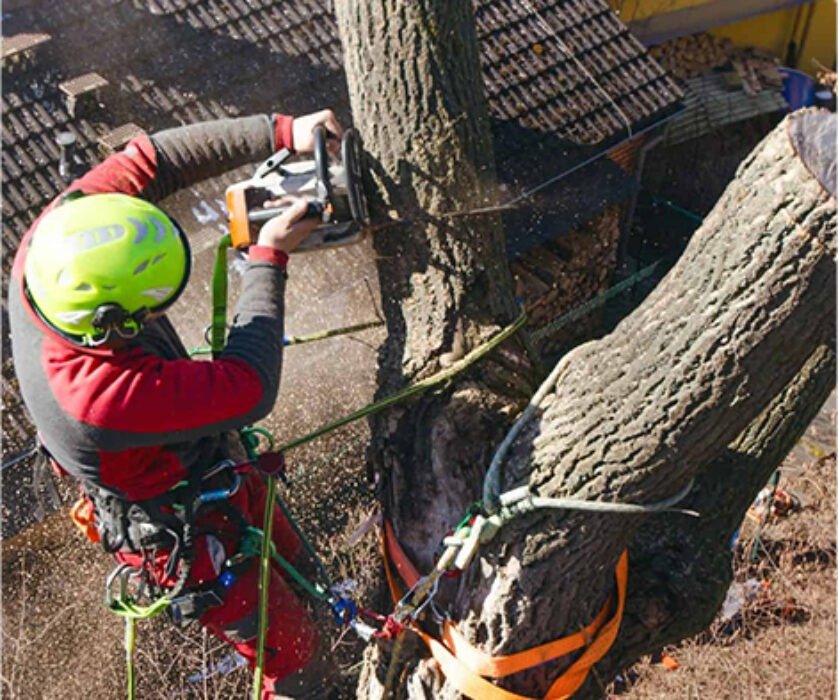
Planning tree cutting in Melbourne’s northern suburbs becomes important as weather conditions change throughout the year. Strong winds, heavy rain and dry summers can affect tree health. Branches may become weak, while changes in soil moisture can affect roots. Each season brings different challenges for trees growing near homes and gardens. Timely maintenance helps keep outdoor areas safe and trees in good condition.
How Does Seasonal Weather Affect Tree Health?
Melbourne’s weather changes, from hot summers to cold, wet winters. These conditions can influence tree growth, soil moisture, and branch strength. Some trees also respond differently depending on their species and location.
During summer, long dry periods can cause stress on certain trees. Leaves may turn brown, and some branches may begin to die. Heavy rainfall can also soften soil and affect trees with unstable roots.
Seasonal tree care should consider these common conditions:
- Summer: Check for dry branches, heat stress, and signs of poor growth.
- Autumn: Remove fallen leaves and inspect trees before colder weather arrives.
- Winter: Watch for weakened branches following heavy rain and strong winds.
- Spring: Monitor fresh growth and identify branches affecting nearby structures.
Not every tree needs to prune each season. The best time depends on its species, health, and growth pattern. An arborist can suggest suitable maintenance based on the tree’s condition.

Why Is Seasonal Tree Maintenance Important?
Regular tree care helps homeowners manage growth before branches become difficult to control. Trees growing close to roofs may need selective pruning for clearance. Overgrown branches can also block sunlight or interfere with garden spaces.
Homeowners searching for tree removal services near me should consider seasonal maintenance options first. In some cases, careful pruning can address concerns without removing healthy trees. However, severely damaged trees may need further assessment before any work begins.
Seasonal maintenance can offer several practical benefits:
- Improve clearance around roofs, fences and garden pathways.
- Remove damaged branches before they create further risks.
- Help maintain suitable tree shapes and healthy growth.
- Reduce overcrowding between nearby trees and other plants.
- Identify possible tree health concerns before they worsen.
Avoid cutting large branches without understanding how pruning affects tree growth. Poor techniques can create lasting damage and increase future maintenance needs.
When Is the Best Time to Schedule Tree Cutting?
Plan tree cutting around the species and the type of work required. Some trees benefit from pruning during dormancy, while others need different timings. Flowering trees may also require care after their main blooming period.
Book a professional assessment when you notice sudden changes in tree health. After severe weather, inspect trees from a safe distance for visible damage. Keep clear of fallen branches and any nearby power lines.
Before scheduling work, check whether local council approval is required. Some protected trees cannot be heavily pruned or removed without permission.
Good seasonal planning helps homeowners keep trees healthier and outdoor spaces safer. Monitor weather changes, arrange suitable inspections and avoid unnecessary cutting. Seek professional tree cutting in Melbourne’s northern suburbs when your trees need expert attention.


