 WhatsApp Us Now

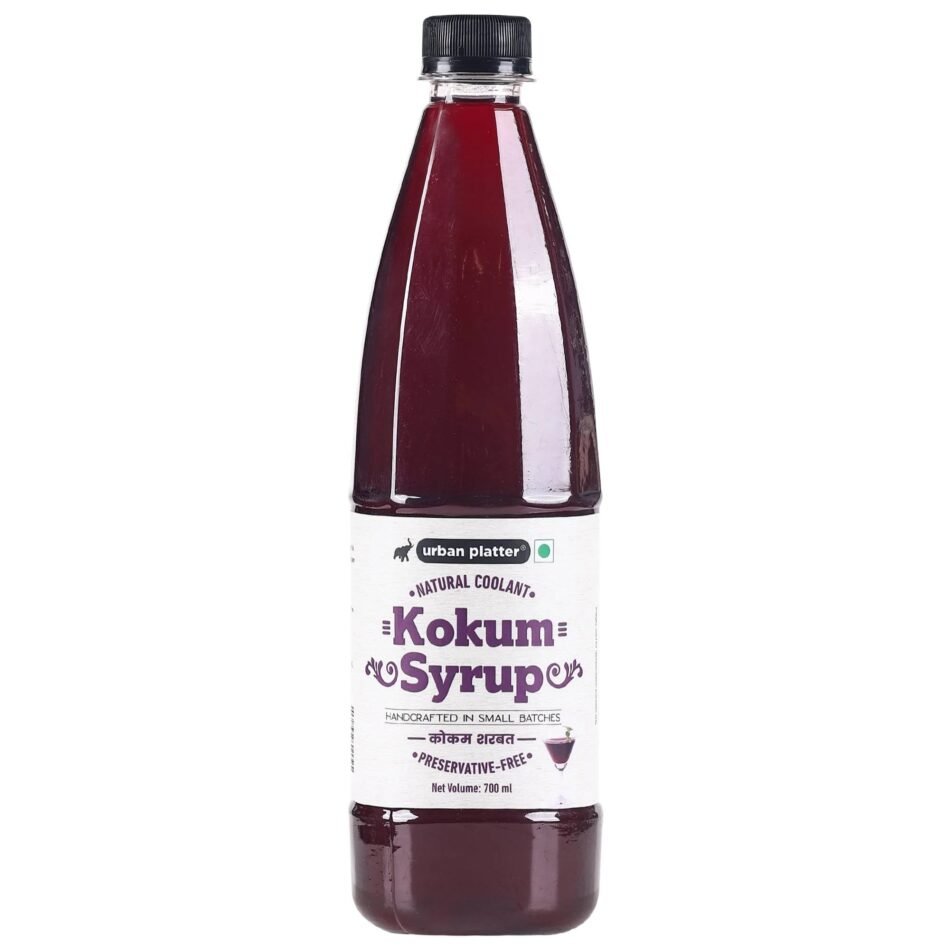
Digestive discomfort can affect everyday activities, particularly after heavy meals, irregular eating habits, or consuming foods that do not suit your digestive system. Symptoms such as bloating, stomach discomfort, acidity, and a feeling of fullness are commonly associated with indigestion. While maintaining balanced eating habits is important, many people also explore traditional food and drink options that may support digestive comfort. One such beverage is kokum juice.
Popular in several parts of India, especially Maharashtra and the Konkan region, kokum is a tropical fruit traditionally used in beverages, curries, and regional recipes. Its refreshing taste and distinctive sweet-tangy flavour make it a popular summer drink. But can kokum juice actually help with indigestion? Let’s understand its traditional uses, possible benefits, and the precautions to consider.
1. Understanding Kokum and Its Traditional Uses
Kokum, scientifically known as Garcinia indica, is a fruit commonly found in India’s western coastal regions. Its deep purple outer covering is dried and used in traditional cooking, while the fruit is also prepared into refreshing drinks.
In many households, kokum-based beverages are enjoyed during warm weather. Traditional recipes often include kokum extract, water, sugar or jaggery, and sometimes spices such as cumin. Kokum is also used to add a pleasant sour flavour to dishes.
Traditionally, kokum preparations have been associated with digestive comfort. However, traditional use does not automatically establish that a particular beverage can treat indigestion or other digestive conditions.
2. Can Kokum Juice Help with Indigestion?
Kokum juice is often consumed as a refreshing drink after meals, and some people find it comfortable to include in their eating routine. Its appeal comes from its flavour, hydration value, and traditional association with digestive wellness.
However, scientific evidence specifically proving that kokum juice treats indigestion in humans is limited. It should not be considered a proven remedy for acidity, gas, bloating, or stomach pain.
Whether it feels soothing can also depend on the preparation and the individual’s digestive sensitivity. A lightly prepared drink may be comfortable for some people, while a very sweet, concentrated, or sour version may not suit everyone.
Therefore, kokum juice can be enjoyed as part of a balanced diet, but it should not replace appropriate medical care when digestive symptoms are persistent or severe.
3. Hydration and Digestive Comfort
Adequate hydration supports normal digestion and helps the body carry out essential functions. Drinking enough fluids throughout the day is important for maintaining regular bowel movements and preventing dehydration.
Kokum juice, when prepared with sufficient water, can contribute to daily fluid intake. Its refreshing flavour may also encourage people to drink more fluids, particularly during hot weather.
However, it is important to remember that hydration alone does not resolve every digestive issue. Persistent constipation, acidity, or abdominal discomfort may have different causes and require specific attention.
For a lighter drink, consider preparing kokum extract with water and limiting added sugar.
4. Kokum Contains Naturally Occurring Plant Compounds
Kokum contains naturally occurring compounds, including anthocyanins and other polyphenols. These substances are studied for their antioxidant properties.
Antioxidants help protect cells from oxidative damage under certain conditions. Kokum’s plant compounds make it an interesting ingredient from a nutritional and food-science perspective.
However, the presence of antioxidants does not mean that drinking kokum juice will directly improve digestion or cure stomach-related problems. More human research is needed to establish specific digestive benefits and understand how different kokum preparations affect the body.
Enjoying kokum as part of a varied diet is a more balanced approach than relying on it for a particular health outcome.
5. How to Prepare Kokum Juice for Everyday Enjoyment
A simple homemade preparation allows you to control the sweetness and concentration of your drink.
Ingredients:
- 5–6 dried kokum pieces
- 2 glasses of water
- 1–2 teaspoons of jaggery or sugar, optional
- A pinch of roasted cumin powder, optional
- A small pinch of salt, optional
Method:
- Rinse the dried kokum pieces to remove any surface impurities.
- Soak them in warm water for approximately 20–30 minutes.
- Gently squeeze the pieces to release their colour and flavour.
- Strain the liquid into a glass or jug.
- Add water according to your preferred taste.
- Mix in a small amount of jaggery or sugar if desired.
- Add roasted cumin powder for additional flavour.
- Refrigerate briefly and serve chilled.
You can adjust the concentration depending on your preference. If you are sensitive to sour foods, start with a less concentrated preparation.
6. When Should You Be Careful About Drinking Kokum Juice?
Although kokum is commonly used as a food ingredient, not every preparation suits everyone. Some people may experience discomfort after consuming sour or acidic beverages.
Consider the following precautions:
- Acidity or reflux: If sour drinks trigger heartburn or acid reflux, kokum juice may worsen your symptoms.
- Added sugar: Commercial preparations may contain considerable added sugar. Check the ingredient label and choose less-sweet options when appropriate.
- Concentrated preparations: Very strong extracts may not suit people with sensitive digestion.
- Food sensitivities: Avoid kokum if you have experienced an allergic reaction or intolerance to it.
- Existing health concerns: If you have a medical condition or follow a restricted diet, consult a healthcare professional about suitable dietary choices.
If indigestion occurs frequently, identifying the underlying trigger is more useful than depending on a single beverage.
7. Other Everyday Habits That Support Better Digestion
Along with balanced food and adequate fluid intake, certain everyday habits can help support digestive health.
- Eat meals at regular intervals and avoid rushing through them.
- Chew food properly instead of eating too quickly.
- Avoid very large meals, particularly close to bedtime.
- Identify foods and beverages that repeatedly trigger discomfort.
- Include fibre-rich foods such as fruits, vegetables, and whole grains.
- Stay physically active through regular walking or other suitable exercise.
- Drink sufficient water throughout the day.
- Avoid lying down immediately after eating, especially if you experience reflux.
These habits can help create a more consistent routine and may reduce common digestive discomfort for some individuals.
8. When Should You Seek Medical Advice?
Occasional indigestion may happen after eating a heavy meal or consuming foods that do not suit you. However, frequent or persistent symptoms should not be ignored.
Consult a healthcare professional if you regularly experience bloating, stomach pain, nausea, heartburn, or difficulty swallowing. Seek prompt medical attention if indigestion is accompanied by severe abdominal pain, repeated vomiting, unexplained weight loss, blood in vomit or stools, or chest pain.
A medical professional can help identify whether the symptoms are related to acid reflux, an ulcer, food intolerance, or another condition.
Conclusion
Kokum juice is a refreshing traditional beverage that can be enjoyed as part of a balanced diet. Its diluted preparation can contribute to fluid intake, and kokum naturally contains plant compounds with antioxidant properties. However, there is limited scientific evidence to confirm that it directly treats indigestion.
If you enjoy its tangy flavour, you can include it in your routine in moderate quantities, provided it does not trigger discomfort. For better digestive health, focus on balanced meals, hydration, regular activity, and appropriate medical guidance when symptoms persist.