 WhatsApp Us Now

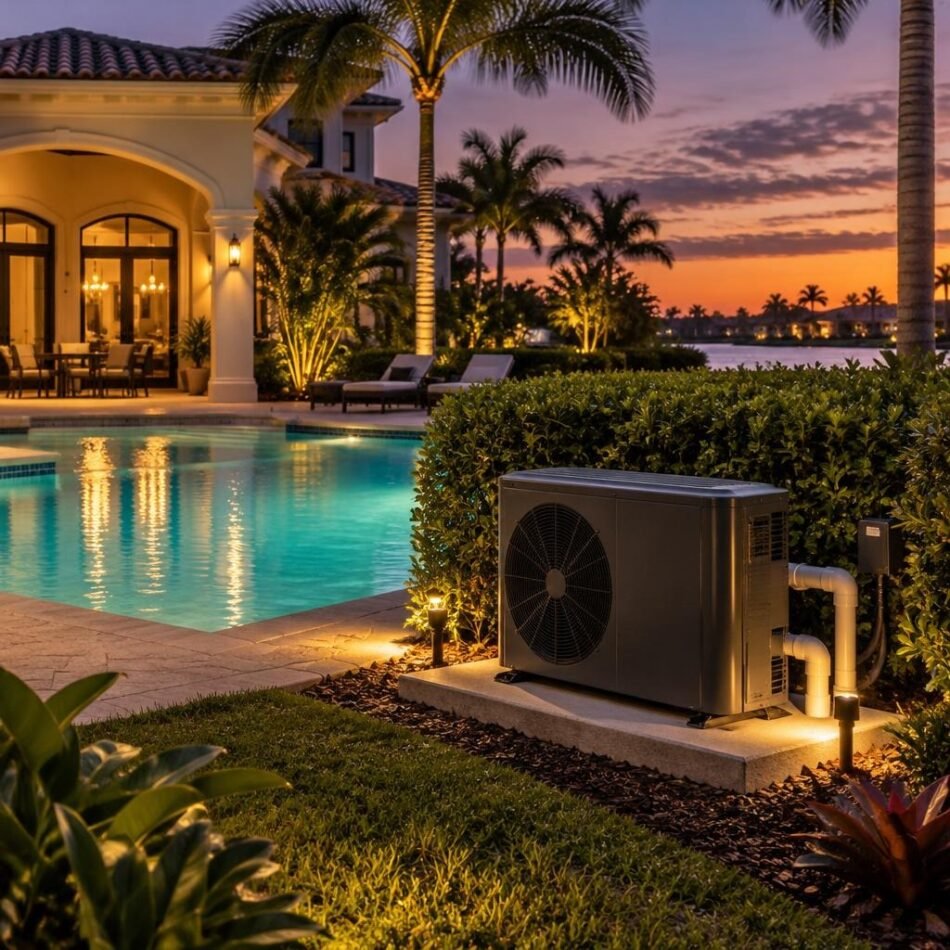
You turn the heater on, wait, and the pool is still cold. It is a frustrating problem, especially because the cause can range from something simple to a part that has failed. Working through the possibilities in order can save time and help you describe the issue to a technician. This guide covers the most common reasons a pool heater is not heating, with an emphasis on what you can check safely.
Start with the simple things
The thermostat or settings. Make sure the heater is on, in heating mode and set higher than the current water temperature. It sounds basic, but settings change by accident, and some systems have separate controls for the pool and spa.
Power and breakers. Check that the heater has power and the breaker has not tripped. If it trips repeatedly, do not keep resetting it. That points to an electrical problem for a professional.
The pump. The heater needs the pump running to work. If the pump is off, on a timer that has not started or not moving water properly, the heater will not fire.
Water flow problems
Heaters will not run without adequate water flow, and many are designed to shut off to protect themselves. A dirty filter, full baskets, closed valves or air in the system can reduce flow. Check the filter pressure gauge, clean the baskets and confirm the valves are set properly. Low water level can also cause problems, so make sure the pool is filled to its normal level.
Weather and air temperature
Cold, windy nights make it harder to hold heat, and a heater that works fine on a mild day may struggle on a cold one. This matters most for heat pumps, because their output depends on the air around them. When the air gets quite cold, a heat pump heats more slowly or may not keep up. A pool cover helps considerably by reducing heat loss.
Heat pump-specific causes
Heat pumps are more than a box with a switch, and several things can affect them:
- Blocked airflow. Debris, plants or enclosures around the unit stop it from drawing in air. Keep the area clear.
- A dirty or blocked coil. The coil that absorbs heat from the air needs to be clean and unobstructed.
- Defrost cycles. Some units pause to defrost in cool, humid conditions, which can make heating seem slow.
- Fan or compressor problems. If the fan does not spin or the compressor does not run, the unit cannot heat.
- Refrigerant issues. Low refrigerant or leaks require a licensed technician with the right tools and certification.
Because heat pump faults can be technical, it helps to work with a specialist. If your unit is running but not heating, consider arranging pool heat pump repair in Boca Raton homeowners can rely on, so the technician can test the compressor, fan, coil and refrigerant side.
Gas heater-specific causes
Gas models can fail to heat for different reasons:
- Ignition problems. A worn igniter or a faulty flame sensor can stop the burners from lighting or staying lit.
- Gas supply issues. A closed valve, an empty propane tank or a supply interruption will prevent heating.
- Blocked burners or vents. Debris, insects and soot can restrict airflow.
- Safety switches. Pressure, limit or flow switches may shut the heater down when something is outside normal limits.
- Scale or corrosion in the heat exchanger, which reduces heat transfer.
If you smell gas, move away from the equipment and contact your gas provider or emergency services right away.
Water chemistry
Unbalanced water can lead to scale on the heat exchanger or coil, which reduces how well the heater transfers heat. Scale builds gradually, so the heater may seem to work a bit worse each season until it barely heats at all. Regular testing and balancing protects performance.
Control board and sensor faults
Temperature sensors and control boards tell the heater what to do. If a sensor reads incorrectly or a board malfunctions, the heater may not heat even though the mechanical parts are fine. Error codes often point toward these problems, so write down any code you see.
The heater may be undersized
Sometimes the equipment works properly but cannot keep up. If your heater was sized for a smaller pool, or you added a spa or changed how you use the pool, it may no longer have the capacity it needs.
What not to do
Do not open the unit, bypass safety switches or attempt repairs involving gas, electrical or refrigerant components. These systems are dangerous, and the safety controls exist for a reason.
Final thoughts
Check the basics first: settings, power, pump, flow and airflow around the unit. If the heater still does not heat, note any error codes and symptoms, and call a professional. For heaters that will not warm the pool no matter what you try, Pure Tek Pool Heaters can diagnose the cause and explain your options before any work begins.


