 WhatsApp Us Now

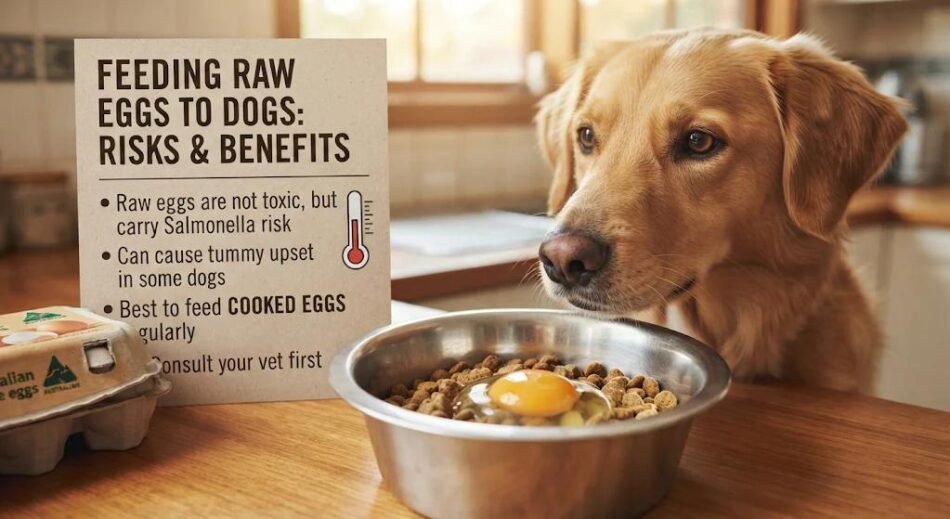
Many dog owners in Australia have wondered whether a raw egg is a harmless snack or a risky treat. The short answer is that raw eggs are not automatically toxic to dogs, but they are not always the best choice either. If you have ever asked can dogs eat raw egg, the answer depends on your dog’s age, health, diet, and how the egg is handled. A healthy adult dog may tolerate the occasional raw egg, but there are still important safety concerns to consider, including bacteria, shell fragments, and the risk of an unbalanced diet if eggs are fed too often.
Understanding what happens after a dog eats a raw egg can help you make safer choices. Some dogs digest raw eggs without any obvious problems, while others may develop tummy upset, vomiting, or diarrhoea. There is also a small but real chance of bacterial contamination, which matters more for puppies, older dogs, and dogs with weakened immune systems. In this article, we will look at the benefits, risks, and practical ways to decide whether raw eggs belong in your dog’s bowl.
Key points
- Raw eggs are not poisonous to most dogs, but they can carry bacteria such as Salmonella.
- Some dogs tolerate raw eggs well, while others may get an upset stomach.
- Egg shells can provide calcium, but only if they are prepared safely and fed in moderation.
- Puppies, senior dogs, and dogs with health conditions are more vulnerable to food-borne illness.
- Cooked eggs are generally safer than raw eggs for regular feeding.
- Eggs should only be an occasional treat, not a staple part of a dog’s diet.
What happens in a dog’s body after eating a raw egg?
When a dog eats a raw egg, the egg is broken down in the stomach and intestines much like other protein foods. The protein, fat, vitamins, and minerals in the egg can be digested and absorbed. For many dogs, a single raw egg may pass through with no noticeable issue. You might not see any change at all, especially if your dog has a strong digestive system and the egg was fresh and clean.
However, not every raw egg is the same. The age of the egg, how it was stored, and whether the shell was cracked can all affect safety. A contaminated egg may introduce harmful bacteria into your dog’s digestive system. Even if your dog seems fine at first, symptoms can appear later, usually within hours to a couple of days.
Possible immediate effects
- Normal digestion with no symptoms
- Mild stomach upset
- Loose stools or diarrhoea
- Occasional vomiting
- In rare cases, signs of infection such as lethargy or fever
Are raw eggs healthy for dogs?
Eggs contain high-quality protein, fatty acids, and several important nutrients, including vitamin A, riboflavin, folate, iron, and selenium. From a nutrition point of view, eggs are a useful food. That said, dogs already get complete nutrition from a properly balanced commercial diet or a carefully formulated home-prepared diet. Extra eggs are not usually necessary unless your vet has recommended them for a specific reason.
Some people believe raw eggs are more nutritious than cooked eggs because heat can slightly change certain proteins and reduce some vitamins. In practice, the difference is small, and the safety trade-off often makes cooked eggs the better option. A lightly cooked egg is easier to handle safely and can still be a nutritious treat.
Potential nutritional benefits
- Good source of protein for muscle maintenance
- Contains healthy fats that support energy
- Provides vitamins and minerals in small amounts
- Can be appealing for picky eaters
What are the risks of feeding raw eggs?
The main concern with raw eggs is bacteria. Salmonella is the best-known risk, but it is not the only one. Raw animal products can contain pathogens that cause illness in dogs and can also spread to people through food bowls, hands, benches, and floors. This matters in busy households, especially where children, older adults, or immunocompromised people are present.
Another issue is biotin. Egg white contains a protein called avidin, which can interfere with biotin absorption if raw egg whites are fed in large amounts over time. Biotin is important for skin, coat, and metabolism. One egg here and there is unlikely to cause a deficiency, but regular feeding of raw egg whites is not ideal.
Risks to watch for
- Bacterial contamination, especially Salmonella
- Upset stomach or digestive irritation
- Biotin interference if fed often in large amounts
- Shell choking or mouth injury if shells are not crushed properly
- Extra calories, which may contribute to weight gain
Which dogs should avoid raw eggs?
Some dogs are more likely to have problems after eating raw eggs. If your dog falls into one of the groups below, it is safer to avoid raw eggs unless your vet gives you specific advice.
- Puppies
- Senior dogs
- Dogs with a weakened immune system
- Dogs with a history of pancreatitis
- Dogs with sensitive stomachs
- Dogs recovering from illness or surgery
For these dogs, even a small bout of diarrhoea or vomiting can lead to dehydration or further complications. A cooked egg is usually a safer alternative if egg is appropriate for their diet.
What about egg shells?
Some dog owners feed egg shells as a source of calcium. While shell contains calcium, it should not be given casually. Whole shells can be sharp and hard to digest. If you want to use eggshells, they should be thoroughly cleaned, dried, and ground into a fine powder. Even then, calcium supplementation should only be done with proper guidance, especially if your dog is already on a complete diet.
Too much calcium can be harmful, particularly for growing puppies. Large-breed puppies are especially sensitive to the balance of calcium and phosphorus in their food. Adding eggshells without professional advice can cause more harm than good.
Raw eggs versus cooked eggs
In most cases, cooked eggs are the safer option. Boiled, scrambled, or poached eggs without added salt, butter, onion, or oil are usually well tolerated by dogs. Cooking reduces the risk of bacterial contamination and makes the egg easier to manage from a food safety point of view.
If you want to feed eggs as an occasional treat, cooked eggs are generally the better choice for everyday use. Raw eggs may still be offered by some owners, but the benefit does not usually outweigh the risk for most dogs in an ordinary home setting.
Safer ways to serve eggs
- Cook thoroughly before serving
- Keep portions small
- Avoid seasoning and added fats
- Introduce slowly if your dog has never had eggs before
How much egg is too much?
Eggs should be treated like a snack, not a full meal. The right amount depends on your dog’s size, overall diet, and calorie needs. A small dog may only need a bite or two, while a larger dog may handle a whole egg occasionally. Even then, moderation is important.
If your dog is on a special diet, has weight issues, or has digestive problems, it is best to speak with a vet before adding eggs. Treats should generally make up no more than 10 percent of a dog’s daily food intake.
Signs your dog may have reacted badly
If your dog has eaten a raw egg and later seems unwell, watch for these signs:
- Repeated vomiting
- Diarrhoea that lasts more than a day
- Loss of appetite
- Lethargy or unusual tiredness
- Abdominal discomfort
- Fever or shivering
If symptoms are mild and brief, your dog may simply have had a sensitive stomach. If symptoms are severe, prolonged, or your dog is very young, old, or unwell, contact your vet promptly. It is always better to act early if food poisoning is a possibility.
Practical tips for Australian dog owners
In Australia, food safety is important because warm weather can make food spoil faster if it is left out. If you do choose to feed any raw food, including eggs, keep it chilled, use fresh produce, and clean bowls and surfaces thoroughly afterwards. Avoid feeding eggs that are cracked, dirty, or past their best-before date.
It is also sensible to think about where the egg comes from. Eggs from reputable sources are less likely to be contaminated, though no egg is risk-free. Good handling matters just as much as quality. Wash your hands after touching raw egg and make sure your dog does not lick shared plates or benches.
Conclusion
So, what happens when dogs eat raw eggs? For some dogs, nothing noticeable happens at all. For others, it can mean stomach upset, and in the worst case, illness from bacteria. While raw eggs do contain useful nutrients, the safety risks usually make cooked eggs the better everyday option. If your dog eats a raw egg by accident, there is no need to panic. Monitor them closely and contact your vet if you notice any worrying signs.
As a general rule, eggs can be a healthy treat for dogs when offered sensibly, but raw eggs are not necessary for a balanced diet. Choosing safer preparation methods gives you the benefits of egg with less risk.
FAQ
Can dogs eat raw egg every day?
It is not recommended. Feeding raw egg every day increases the chance of bacterial exposure and may create nutritional imbalances over time.
Is one raw egg dangerous for a dog?
Usually not, especially for a healthy adult dog, but it still depends on the egg’s freshness, cleanliness, and your dog’s health. Watch for digestive upset afterwards.
Can puppies eat raw eggs?
Puppies are more vulnerable to food-borne illness, so raw eggs are not a good choice for them. Cooked egg is safer if your vet says egg is suitable.
Do raw eggs help a dog’s coat?
Eggs do provide nutrients that support skin and coat health, but a balanced diet is more important than any single food. Raw eggs are not necessary for a shiny coat.
