 WhatsApp Us Now

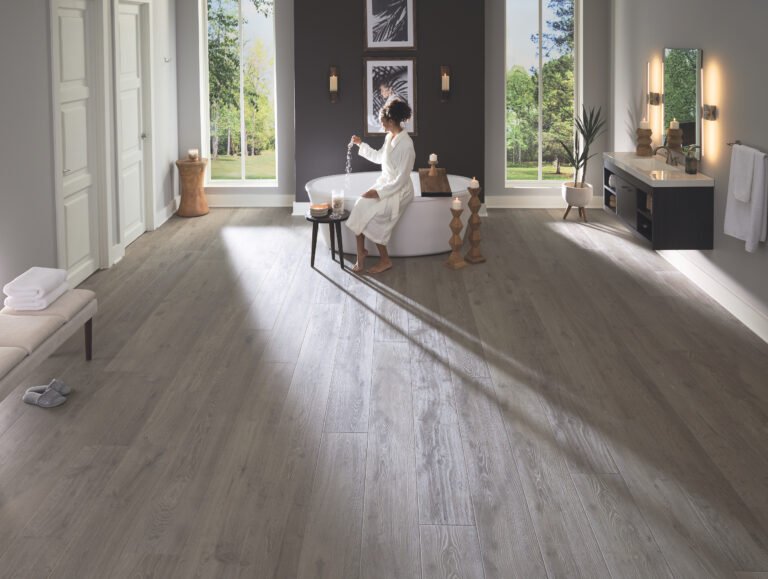
A bathroom floor lives a harder life than almost any other surface in your home. It gets wet every day, steams up every morning, and takes a beating from bare feet, bath products, and the occasional overflowing tub. Choosing from the best bathroom flooring options sounds simple until you realize that a material that works for a quiet guest bath may fail in a busy primary suite. Dallas adds its own twists, from summer humidity to concrete slab foundations. This guide covers what holds up, what to skip, and what to check before anyone lays a single tile.
Start With How the Room Gets Used
Before you compare samples, think about who uses the room. A primary bathroom with a double vanity and a walk in shower sees water on the floor every single morning. A powder room near the front door might see a little splashing from hand washing and nothing more. Those two rooms do not need the same floor.
Ask a few honest questions. How wet does the floor really get? Do the kids treat the tub like a splash pad? Does a dog follow everyone in? Does anyone in the house have mobility concerns that make a slippery floor a safety issue? Your answers will narrow the field faster than any showroom visit.
Porcelain Tile, the Dependable Standard
Porcelain tile has earned its reputation. It absorbs very little water, resists stains, and handles daily cleaning without losing its finish. In a Dallas bathroom, it also sits comfortably over a properly prepared concrete slab.
Texture matters more than most people expect. A glossy tile looks sharp in a showroom and turns into a skating rink when wet. Look for a wet DCOF rating of 0.42 or higher, the industry benchmark for interior floors that will be walked on while wet. Smaller tiles, like mosaics, add grout lines that give bare feet extra grip, which is why they dominate shower floors.
The tradeoff is grout. It stains, it cracks, and it needs sealing. Large format tiles cut down on grout lines and make cleaning easier. Porcelain also feels cold in January, though radiant heating mats solve that problem nicely.
Luxury Vinyl Plank, Warmer and Easier on the Feet
Luxury vinyl plank has moved well past its budget reputation. A good product with a rigid waterproof core handles standing water, mimics oak or slate convincingly, and feels softer underfoot than tile. Homeowners who want a wood look in a bathroom without the risks of real wood tend to land here.
Quality varies widely, so read the specifications. A wear layer of 12 mil or thicker holds up better to daily use. A rigid core stays stable when summer heat pours through a west facing window. Thin, cheap planks can dent, curl at the edges, or fade.
One caution: the planks may be waterproof, but the floor system is only as watertight as its seams and edges. Water that sneaks under a poorly sealed perimeter can still cause trouble. Searching for waterproof flooring in Dallas, TX will turn up plenty of products, but installation quality separates the good ones from the disappointing ones.
Natural Stone, Beautiful With Strings Attached
Marble, travertine, and slate bring a spa quality that no manufactured product matches perfectly. They also bring maintenance. Stone is porous, so it needs sealing, and acidic cleaners can etch polished surfaces. Marble shows water spots and soap residue. Slate offers natural grip but can shed tiny flakes over time.
Plenty of homeowners love stone in a primary bath, where caring for the floor is part of the pleasure. In a kids’ bathroom scrubbed with whatever is under the sink, it is a rough match.
What to Skip
Solid hardwood and bathrooms rarely get along. Wood takes on moisture and swells, then dries and shrinks, and a bathroom delivers that cycle daily. Laminate with a fiberboard core swells at the seams the moment water finds a gap. Carpet in a full bath invites mold, no matter how plush the sample felt in the store.
Engineered hardwood sits in a gray area. Some products tolerate a low use half bath. Few belong in a bathroom with a shower, and the manufacturer’s warranty will usually say so in the fine print. Read it before you buy.
The Part Nobody Photographs
Most bathroom flooring failures trace back to what is underneath. Many Dallas homes sit on concrete slabs that can hold moisture you cannot see, so a moisture test before installation is not optional. Older homes with wood subfloors need a close look for soft spots, stains, or a musty smell, because new flooring will not cure a hidden leak.
The EPA points to moisture control as the foundation of preventing mold indoors, and a bathroom is where that advice matters most. A working exhaust fan, a sealed shower perimeter, and quick repairs to leaky fixtures protect the floor as much as the material does. Ventilation counts even more during a Dallas summer, when humid air and hot showers push moisture levels well past comfortable.
Budget and Installation Realities
Prices move with the material and the size of the project, but the pattern holds. Vinyl plank usually costs less to install than porcelain tile, and tile usually costs less than natural stone. Small bathrooms can surprise you, because cutting around a toilet, vanity, and tub takes the same labor whether the room is 40 square feet or 100.
The best bathroom flooring options share a few traits. They tolerate water, they grip bare feet, and they sit on a base that has been tested and prepared. Whether that points you to porcelain, vinyl plank, or stone depends on your household, not a trend report. Take the decision slowly. A floor chosen with care should fade into daily life for fifteen years or more.
Ask for a written estimate that lists removal of the old floor, subfloor repair, waterproofing, trim, and transitions. Those extras are where bids start to differ. A planning range is helpful, but a measured quote is the only number you can trust.
Final Thoughts
Flooring in Dallas comes with local quirks, from slab foundations to swinging humidity, and advice written for other markets misses them. Flooring Guide DFW exists to fill that gap. Browse our room by room guides, compare materials side by side, and use the cost calculator to build a realistic budget before you talk to anyone selling floors.
Frequently Asked Questions
Q1. What is the most waterproof flooring for a bathroom?
Porcelain tile and rigid core luxury vinyl plank both handle standing water well. Tile absorbs almost nothing, while vinyl needs sealed edges and seams to stay watertight.
Q2. Can I install hardwood in a Dallas bathroom?
Solid hardwood is a poor fit. Some engineered products suit a half bath with no shower, but check the manufacturer’s warranty first.
Q3. How do I keep a bathroom floor from being slippery?
Choose tile with a wet DCOF rating of 0.42 or higher, or use smaller tiles with more grout lines. Textured vinyl also improves grip.
Q4. Does a concrete slab need testing before bathroom flooring goes down?
Yes. Slabs can hold hidden moisture, and a test before installation helps prevent adhesive failure, mold, and warped planks.
Q5. Is heated flooring worth it in a Dallas bathroom?
Many homeowners enjoy it on cold winter mornings. Tile pairs best with radiant heat, and some vinyl products allow it if you follow the manufacturer’s temperature limits.


