 WhatsApp Us Now

Plain concrete floors have a reputation problem. They stain, dust, and look tired long before the rest of the building does. Sealers and paint promise a fix, but many wear off in patches and leave a floor that needs attention every year or two. Owners end up in a loop of touch-ups that never quite solve anything.
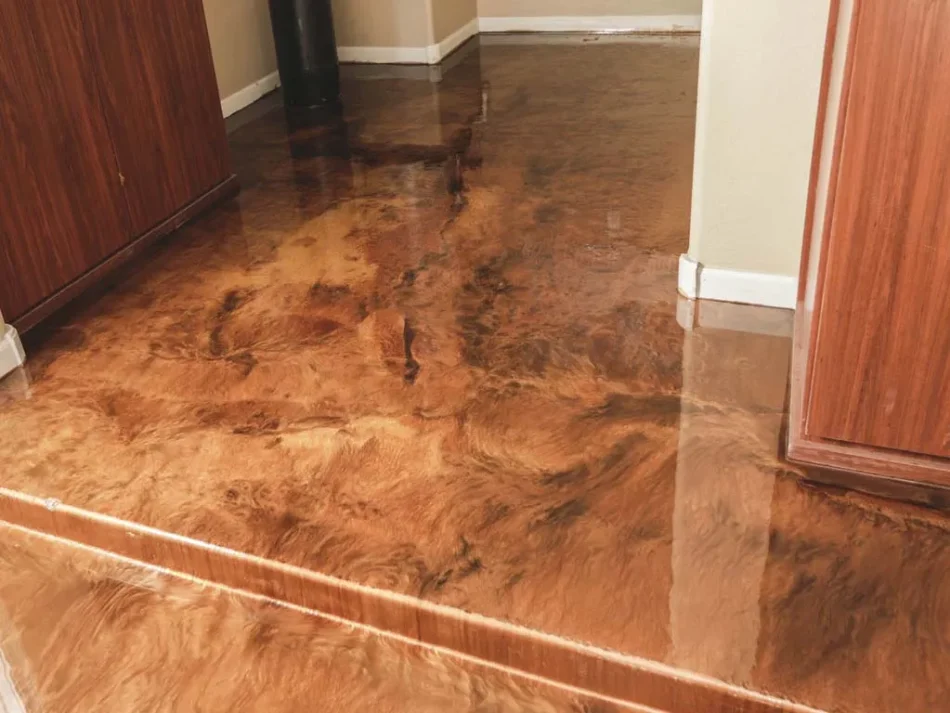
A better answer is often the concrete itself, refined instead of covered. Palm Beach concrete polishing turns the existing slab into a dense, smooth, reflective surface without adding a layer on top. For spaces that need a colored or textured surface instead, epoxy floor coating in Wellington, FL, property owners choose can fill that role.
This guide explains how polishing works step by step, what you gain from it, and how to decide which option suits your floor.
What Concrete Polishing Actually Is
It is a mechanical process, not a coating. Diamond abrasives grind and refine the surface until it shines. Think of sanding wood, only with industrial machines and diamond tooling. The crew works through progressively finer grits, and the concrete itself becomes smoother and denser. Nothing sits on top, so there is nothing to peel. The shine comes from the slab, which is why the finish can last for years with sensible care.
The Process From Start To Finish
Every job follows a similar order, though the details change with the slab.
- Inspection: The crew checks for cracks, stains, old coatings, and moisture.
- Repairs: Cracks and chips are filled so the finish looks even.
- Coarse grinding: Heavy diamond tooling removes surface flaws and opens the concrete.
- Densifier: A liquid hardener soaks in and strengthens the top layer.
- Fine grinding: Several finer grits refine the surface, one stage at a time.
- Final polish and guard: The last pass brings up the sheen, and a protective guard resists stains.
Skipping a stage is the quickest way to get uneven gloss, so patience on site shows in the result.
Choosing A Gloss Level
Polish is not one look. You can pick how shiny the floor gets.
- Low sheen: a soft, satin look that hides small marks and suits busy spaces
- Medium sheen: a balanced shine that works in most homes and offices
- High gloss: a mirror-like finish that makes showrooms and entryways feel brighter
The final grit and the surface exposure, from light cream to full aggregate, shape the overall character.
Benefits Worth Knowing About
Most people notice the shine first. The practical gains matter more over time.
- Durability: a dense surface resists abrasion from carts, foot traffic, and equipment
- Easier cleaning: dust mopping and a neutral cleaner handle most daily needs
- No coating to peel: the finish is part of the slab
- Brighter rooms: reflective floors bounce light and can reduce lighting needs
- Lower upkeep: no regular waxing or recoating like some floor types need
Because the concrete already exists, polishing can also cut material costs and reduce waste compared with installing a new flooring layer. Over the life of a building, that adds up.
Where Polished Concrete Works Best
It suits many spaces, though it works best where the slab is sound.
- Retail stores and showrooms
- Warehouses and workshops with light to moderate traffic
- Restaurants and cafes
- Offices and lobbies
- Garages, patios, and modern homes
Slabs with deep cracks, major unevenness, or heavy chemical damage may need extra repair work first. A quick site visit will tell you whether polishing is realistic or whether another finish makes more sense.
Polishing And Epoxy: How To Decide
Both finish concrete well. They solve slightly different problems. Polishing keeps the natural look of concrete and works well when you want a clean, modern surface with low upkeep. Epoxy forms a continuous layer in chosen colors, with options for textures and flakes, so it is popular where chemicals, spills, or slip resistance matter.
A property owner comparing epoxy floor coating Wellington, FL contractors offer against polishing should think about use, moisture, and appearance.
- Choose polishing for a natural, low-maintenance finish with a lasting sheen
- Choose epoxy for color, texture, or heavy chemical exposure
Keeping A Polished Floor In Good Shape
Maintenance is light, but a few habits make a difference.
- Dust mop often to stop grit from scratching the surface
- Use a neutral cleaner, not harsh acids or strong alkalines
- Wipe spills soon, especially acidic ones like juice or vinegar
- Put mats at entrances to catch sand and dirt
- Schedule an occasional refresh if the sheen dulls
What Affects The Cost
Pricing varies, and the reasons are mostly practical.
- Slab condition and repair needs
- Total square footage
- Number of grit stages and the final gloss level
- Removal of old coatings or adhesives
- Optional staining or dyeing
A fair quote for Palm Beach concrete polishing explains each of these items instead of giving one lump number. Ask what is included, and you will quickly see who has planned the job and who has guessed.
Questions To Ask Before You Hire
A few direct questions reveal experience fast.
- How many grit stages will my floor receive?
- Do you test for moisture before you start?
- Will a densifier be used, and which one?
- What sheen should I expect, and can I see a sample?
- What warranty or follow-up support comes with the work?
Final Thoughts
Polishing takes ordinary concrete and brings out what it can already do: stay hard, look clean, and hold a sheen without a layer that can peel. The process is methodical, the benefits are practical, and the upkeep is modest. Still, the right choice depends on the slab, the use, and the look you want. If you value a natural finish, Palm Beach concrete polishing is a sensible place to start. If your space needs color, texture, or heavy chemical protection, epoxy floor coating in Wellington, FLthat property owners rely on may suit it better.
Either way, ask good questions, check the preparation plan, and choose a team that explains its work in plain language. The floor will repay you for years.
FAQs:
1. What are the benefits of epoxy floor coating Wellington, FL?
Epoxy floor coating Wellington, FL provides a durable, attractive surface with resistance to stains, spills, and everyday wear. It also offers different colors and decorative finishes.
2. How do I choose between polished concrete and epoxy flooring?
Polished concrete suits properties seeking a natural, low-maintenance finish, while epoxy is ideal for spaces requiring added color, texture, or chemical resistance.
3. How should polished concrete floors be maintained?
Regular dust mopping, neutral cleaning solutions, prompt spill removal, and entrance mats help preserve the floor’s finish and prevent surface damage.
4. Does concrete polishing require regular recoating?
No. Unlike coated flooring systems, polished concrete does not require regular recoating or waxing. Occasional maintenance may help restore its shine.


