 WhatsApp Us Now

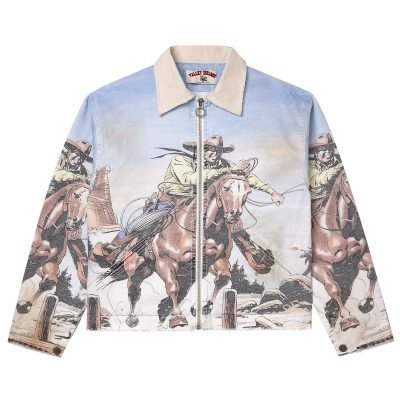
When Henri Alexander Levy launched Enfants Riches Déprimés (ERD) in 2012—translating directly to “Depressed Rich Kids”—traditional fashion insiders dismissed it as an edgy, short-lived art-school joke. Over a decade later, the label stands as one of the most influential cultural forces in contemporary luxury. By fusing 1970s punk anarchy, nihilistic Parisian avant-garde art, hand-distressed Japanese textiles, and radical Veblen pricing, ERD dismantled the polite, aspirational rules of European couture. Examining the cultural impact of Enfants Riches Déprimés clothing reveals how an unapologetically divisive label reshaped luxury status signaling, influenced major fashion houses, and redefined what modern collectors value.
1. Rewriting the Rules of Luxury: The Rise of “Anti-Aspirational” Fashion
Replacing Quiet Elegance With Nihilism, Scarcity, and Subversive Art
For generations, European luxury sold an idealized fantasy of polished wealth, pristine tailoring, and polite social aspiration. Enfants Riches Déprimés enfantrichesdeprime.com inverted that formula entirely. Instead of offering immaculate monogrammed coats, Levy presented raw, shredded knitwear, hand-painted leather jackets scrawled with unsettling prose, and garments engineered to look decaying and battle-worn. Culturally, ERD proved that modern luxury consumers no longer wanted to look respectable—they wanted to look dangerous, alienated, and untouchable.
Why Traditional Heritage Houses Borrowed ERD’s Distressed Playbook
ERD’s refusal to compromise forced legacy luxury giants to pay attention. Throughout the late 2010s and 2020s, major European houses increasingly adopted heavily distressed sneakers, pre-torn knitwear, and punk-inspired runway theatrics—validating Levy’s early thesis that nihilism and decay could command four-figure retail tags.
2. The Celeb & Hip-Hop Crossover: From Parisian Runways to Global Pop Culture
How Kanye West, Playboi Carti, and Rock Icons Cemented ERD’s Cultural Currency
While ERD began as an insider secret among Los Angeles and Parisian art collectors, its cultural reach exploded when music’s biggest boundary-pushers adopted it as uniform armor. Artists spanning hip-hop and rock—from Kanye West, Playboi Carti, and Future to Jared Leto, Gunna, and Courtney Love—embraced ERD’s distressed leather jackets, graphic hoodies, and slim tailored silhouettes.
Turning Underground Punk Archives Into Status Armor for A-Listers
This crossover bridged two seemingly opposite worlds: underground 1970s punk/hardcore zine aesthetics and modern hip-hop luxury flexing. Wearing an ERD piece allowed A-list performers to signal elite taste and insider cultural literacy rather than relying on obvious, mass-market designer logos.
3. Weaponizing Veblen Economics and Gatekept Community
Why Radical Scarcity and Extreme Pricing Redefined Streetwear Drop Culture
Before ERD, high-end streetwear relied largely on accessible entry points (such as $100 graphic T-shirts) that scaled globally. Levy rejected mass democratization altogether—capping production runs to tiny micro-batches and pricing simple cotton tees at $600 to $1,500+ and outerwear past $8,000. Culturally, this extreme gatekeeping pioneered the ultra-luxury anti-streetwear tier, proving that radical scarcity and prohibitive pricing intensify desire rather than killing demand.
Creating an Uncompromising Identity for Wealthy Rebels
By refusing wholesale expansion, avoiding mainstream advertising, and staging theatrical, often unsettling Paris Fashion Week presentations, ERD cultivated an fiercely loyal tribe of collectors across London, Paris, New York, and Tokyo who view every garment as wearable contemporary art.
4. Core Cultural Shifts Driven by Henri Alexander Levy’s Vision
Four Ways ERD Altered Modern Fashion Discourse and Collecting
Looking across the last decade of fashion history, four distinct cultural shifts trace directly back to Enfants Riches Déprimés:
- Normalization of “Destroyed” Luxury: Shifting the perception of holes, raw hems, and paint splatters from manufacturing flaws to high-status artisanal signatures.
- The Rise of the Provocateur Designer-Artist: Reinforcing the model of the creative director as an unfiltered fine artist whose personal worldview, controversies, and gallery work are inseparable from the clothes.
- Archival Collector Mentality: Transforming modern seasonal drops into instant secondary-market museum pieces that collectors hunt, catalog, and trade like rare vinyl or fine art prints.
- Rejection of Corporate DEI/PR Polish: Demonstrating that an unapologetically dark, raw, and polarizing brand identity cuts through algorithmic monotony far more effectively than safe corporate messaging.
The Tension Between Genuine Punk Spirit and Four-Figure Exclusivity
Of course, ERD’s cultural footprint remains deeply paradoxical. Original 1970s punk was born out of working-class rebellion and DIY anti-consumerism—whereas ERD sells punk iconography exclusively to the global 1%. Yet critics and fans alike agree that this very contradiction is what makes the brand a sharp mirror of modern late-stage capitalism.
5. The Brutal Verdict: Cultural Visionary or Master of Provocation?
Assessing ERD’s Lasting Footprint on Contemporary Luxury
The brutal truth is that Enfants Riches Déprimés permanently altered the DNA of modern luxury by proving that alienation, dark humor, and extreme gatekeeping sell better than polite elegance. Whether viewed as a sharp satirical critique of wealthy excess or an indulgent playground for rich rebels, Henri Alexander Levy’s creation forced the entire fashion industry to rethink the relationship between art, destruction, and status.
| Cultural Dimension | Pre-ERD Luxury Standard | The Post-ERD Cultural Shift |
|---|---|---|
| Aesthetic Ideal | Clean, polished elegance and aspirational refinement. | Raw distressing, punk nihilism, and art-school provocation. |
| Status Signaling | Recognizable monograms and heritage house prestige. | Obscure cultural references, extreme scarcity, and insider literacy. |
| Distribution Strategy | Global flagship scaling and accessible entry-level accessories. | Strict micro-batch gatekeeping and four-figure entry barriers. |
Why the Brand Remains Polarizing—and Impossible to Ignore
Ultimately, Enfants Riches Déprimés endures culturally because it refuses to ask for approval. In an era where most fashion brands dilute their edge to please algorithms and shareholders, ERD’s uncompromising commitment to dark, provocative artistry ensures its influence on luxury fashion will outlast passing trend cycles.
Frequently Asked Questions (FAQs)
Q1: Why is Enfants Riches Déprimés so influential in modern fashion?
Founded by Henri Alexander Levy in 2012, ERD pioneered the fusion of 1970s punk aesthetics, fine-art distressing, and ultra-luxury Veblen pricing—influencing both mainstream heritage fashion houses and modern celebrity streetwear styling.
Q2: What does the name “Enfants Riches Déprimés” mean, and why is it controversial?
It translates from French to “Depressed Rich Kids.” The name intentionally satirizes privileged nihilism and elitism, sparking debate over whether the brand critiques wealthy excess or simply monetizes punk rebellion for affluent buyers.
Q3: How has Enfants Riches Déprimés impacted streetwear and luxury collecting?
ERD helped establish the “archive collector” mentality for contemporary releases—using tiny production runs, Parisian runway theater, and high-concept storytelling so garments are treated and traded like limited-edition art pieces.


