 WhatsApp Us Now

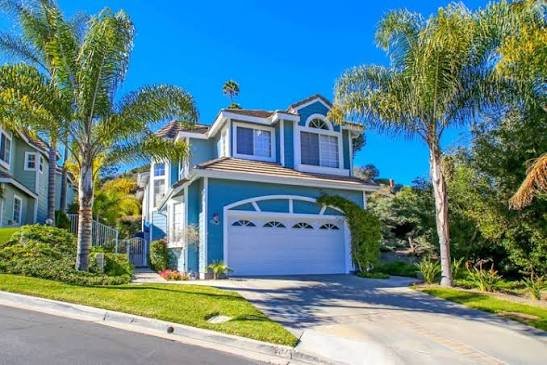
If you are planning to build a custom home in Manhattan Beach, one of the first questions on your mind is probably: how long will this take? It is a fair question. You may be selling a home, arranging temporary housing, coordinating school schedules, or simply eager to move into the home you have been dreaming about.
The honest answer is that it depends. A custom home is not a product that rolls off an assembly line. It is a complex project shaped by design decisions, city approvals, site conditions, and construction logistics. In a coastal, high-demand city like Manhattan Beach, those factors can stretch or compress the schedule. This guide breaks down each phase, explains what affects timing, and offers practical ways to keep your project moving. Whether you are just starting to interview custom home builders in Manhattan Beach or you are ready to break ground, understanding the timeline will help you plan with confidence.
Note: The time ranges below are general planning guidance, not guarantees. Every project is different, so confirm schedules with your design and construction team.
The Big Picture: Four Major Phases
Most custom home projects fall into four broad phases:
- Pre-design and site evaluation
- Design and engineering
- Permitting and approvals
- Construction
Many owners focus only on the last phase, but the work that happens before the first shovel hits the ground often takes as long as, or longer than, the building itself. In total, it is common for a custom home to be a project measured in well over a year, and larger or more complex homes can take considerably longer.
Phase 1: Pre-Design and Site Evaluation
Before any drawings begin, you need to understand what you are working with. This early phase typically involves:
- Selecting your team. Choosing an architect and builder, and clarifying scope and budget.
- Surveying the lot. A boundary and topographic survey documents exact dimensions, elevations, and easements.
- Geotechnical investigation. Soil testing shows what foundation design is required, which is especially important near the coast where soils can be sandy and groundwater can be high.
- Zoning review. Your team reviews setbacks, height limits, lot coverage, and any coastal or neighborhood considerations that shape the building envelope.
- Budget alignment. Aligning your goals with a realistic budget at the start prevents costly redesigns later.
This phase can be fairly quick, often a matter of weeks to a couple of months, but rushing it is a mistake. Good decisions here save time later.
Phase 2: Design and Engineering
Design is where your vision takes shape, and it is also where timelines vary the most. A thoughtful design process generally includes:
- Concept design. The architect explores layouts, massing, and style.
- Schematic and design development. Floor plans, elevations, materials, and details are refined.
- Interior and landscape design. Selections for finishes, cabinetry, lighting, and outdoor spaces are developed.
- Structural, mechanical, and other engineering. Engineers translate the design into buildable systems.
- Construction documents. The full set of drawings and specifications needed for permitting and building.
How long this takes depends on the size and complexity of the home and on how quickly you make decisions. Owners who respond promptly and know what they want often move through this phase faster. Those who revisit the design repeatedly will see the timeline stretch. Expect this stage to take several months or more for many custom homes.
Phase 3: Permitting and Approvals
Permitting is the phase owners most often underestimate. In Manhattan Beach, new homes and major rebuilds go through city review, and the exact process depends on the property and the scope of the project.
Typical steps may include:
- Planning and zoning review. The city checks the proposal against local standards.
- Coastal considerations. Certain areas of Manhattan Beach fall within the coastal zone, which can add review requirements.
- Building plan check. City staff review structural, mechanical, electrical, plumbing, and energy documents.
- Corrections and resubmittals. Plan reviewers frequently request revisions, and each round takes time.
- Other approvals. Depending on the project, you may also need utility approvals, grading or drainage review, or other sign-offs.
Review times can fluctuate with the city’s workload, and incomplete or poorly coordinated drawings can lead to multiple rounds of corrections. Working with an experienced local team that understands what plan check expects can reduce delays. Permitting often takes several months, and it can take longer for complex or coastal-zone projects.
Phase 4: Construction
Once permits are in hand, construction begins. For a typical high-end custom home, this stage often runs roughly a year or more, and large, complex builds can run longer. Here is how construction generally unfolds.
Demolition and Site Preparation
If you are replacing an existing home, the first step is demolition, along with removal of debris and any hazardous materials. The site is then prepared, which may include grading, shoring, and utility work. On tight Manhattan Beach lots, staging materials and protecting neighboring properties require careful planning.
Foundation
Depending on soil conditions and design, the foundation may be a conventional slab, a deeper system, or an engineered solution for challenging soils. Basements and subterranean garages add excavation, shoring, waterproofing, and time.
Framing and Structure
Once the foundation is cured and inspected, the structure goes up. Framing, roof structure, and rough carpentry typically move quickly compared to other phases, and this is the point where owners see their home take shape.
Roofing and Exterior Envelope
The roof, windows, doors, siding, and exterior finishes close the building to weather. In a coastal environment, careful waterproofing and flashing are critical, and high-quality windows and doors often have long lead times.
Mechanical, Electrical, and Plumbing Rough-In
Systems are installed inside the walls, including plumbing, wiring, HVAC, and low-voltage systems such as audio, networking, and security. Inspections happen at several points.
Insulation and Drywall
Insulation and energy inspections come next, followed by drywall installation, taping, and finishing.
Interior Finishes
This is the longest and most detail-intensive stage on a luxury home. It includes cabinetry, millwork, tile, stone, flooring, paint, plumbing and lighting fixtures, appliances, and hardware. Custom items such as handcrafted millwork or imported stone can have long lead times.
Exterior and Landscaping
Hardscape, pools, outdoor kitchens, fencing, and landscaping are completed, often in parallel with interior work.
Final Inspections and Punch List
The city conducts final inspections, and the builder works through a detailed punch list of touch-ups and corrections. Once the home passes inspection and receives final approval, you can move in.
What Makes Manhattan Beach Timelines Different
Several local conditions can influence how long a build takes.
Compact lots. Limited space means tight staging, careful deliveries, and sometimes slower workflow compared with larger sites.
Coastal conditions. Salt air, sandy soils, and groundwater may require specialized foundations, waterproofing, and corrosion-resistant materials.
City review and neighborhood expectations. Permitting can take time, and neighbors can be affected by noise, deliveries, and construction activity.
Working hours and logistics. Cities often regulate construction hours and truck routes, which can affect productivity.
High demand for skilled trades. Strong building activity along the coast means good subcontractors are often busy, which makes scheduling and planning important.
Common Causes of Delays
Even well-run projects encounter obstacles. Here are some of the most common:
- Design changes after construction begins. Late changes are among the biggest causes of delay and cost overruns.
- Slow decision-making. Waiting on finish selections can hold up ordering and installation.
- Permit revisions. Additional rounds of plan check extend the schedule.
- Unforeseen site conditions. Unexpected soil problems, buried utilities, or groundwater can require new solutions.
- Material and equipment lead times. Windows, doors, appliances, and specialty finishes can take months to arrive.
- Weather. Heavy rain can slow excavation, framing, and exterior work.
- Inspection scheduling. Waiting for inspections can pause progress.
- Labor availability. Subcontractor scheduling conflicts can create gaps.
Ways to Keep Your Project on Track
You cannot eliminate every risk, but you can reduce delays.
- Hire your builder early. Involving the builder during design helps identify buildability, cost, and scheduling issues before permits are submitted.
- Finalize the design before construction. Make major decisions upfront and limit changes during the build.
- Order long-lead items early. Windows, doors, appliances, and custom materials should be selected and ordered well in advance.
- Respond quickly to questions. Prompt decisions keep work flowing.
- Choose experienced professionals. Teams familiar with Manhattan Beach and its permitting process anticipate challenges and avoid rework.
- Build in a schedule buffer. A realistic cushion reduces stress when unexpected issues arise.
- Keep communication clear. Regular meetings and written updates prevent misunderstandings.
Why Your Builder Matters So Much
A builder influences the timeline more than almost any other factor. Strong teams manage subcontractors, coordinate inspections, track deliveries, and solve problems before they become delays. When you are evaluating custom home builders in Manhattan Beach, look for local experience, a record of completed projects, organized scheduling, transparent communication, and proper California licensing and insurance. Ask for references, and ask past clients how closely the project followed its original schedule and why.
Reeland Investments is a Southern California real estate investment and development firm with more than 400 completed projects. As licensed professionals in both real estate and general construction, the team brings together land knowledge, design coordination, and construction discipline, which helps owners plan realistic timelines and keep projects moving.
Frequently Asked Questions
1. How long does it take to build a custom home in Manhattan Beach from start to finish?
Most custom homes are a multi-phase process that includes design, permitting, and construction. Taken together, the total often runs well over a year, and larger or more complex homes may take longer. Your specific timeline depends on design complexity, city review, site conditions, and decision-making.
2. How long does the construction phase alone usually take?
For a typical high-end custom home, construction often takes roughly a year or more. Homes with basements, extensive custom finishes, pools, or challenging sites can take longer.
3. Why does permitting take so long?
Plans must be reviewed by multiple departments, and corrections often require resubmittals. Coastal-zone requirements, if applicable, can add more review. Complete, well-coordinated drawings help reduce delays.
4. Can I speed up the process?
Sometimes. Hiring your builder early, finalizing design decisions before construction, ordering long-lead items in advance, and responding quickly to questions all help. However, rushing quality or skipping steps usually backfires.
5. Should I plan to live elsewhere during construction?
If you are demolishing and rebuilding, yes. Plan for temporary housing for the duration of construction, and build in extra time in case of delays.
Final Thoughts
Building a custom home in Manhattan Beach is a rewarding journey, but it is rarely a short one. Pre-design, design, permitting, and construction each take time, and every phase affects the next. The smartest approach is to plan realistically, make decisions early, and partner with a team that understands the local landscape.
If you are ready to take the next step, start conversations with experienced custom home builders in Manhattan Beach, ask detailed questions about schedule and process, and set expectations from the beginning. Reeland Investments is ready to help you turn your vision into a home built with care, quality, and a timeline you can trust.


