 WhatsApp Us Now

Losing a tooth can affect more than just your smile. It may make chewing uncomfortable, change the way you speak, and gradually affect your confidence. Fortunately, modern dentistry offers several ways to replace missing teeth, and dental implants have become a popular option for restoring both appearance and function. For people researching dental implants in Vancouver, understanding how the treatment works can make it easier to explore available options and make informed decisions.
Dental implants provide a stable foundation for replacement teeth. Unlike traditional dentures, which rest on the gums, implants are placed in the jawbone and designed to function much like natural tooth roots. But how exactly do they work, and what should patients expect throughout the process? Let’s explore the details.
What Are Dental Implants?
Dental implants are small, screw-shaped posts, usually made from titanium or another biocompatible material. A dentist or qualified dental specialist places the implant into the jawbone to replace the root of a missing tooth.
Once the implant heals and integrates with the surrounding bone, it can support a replacement tooth.
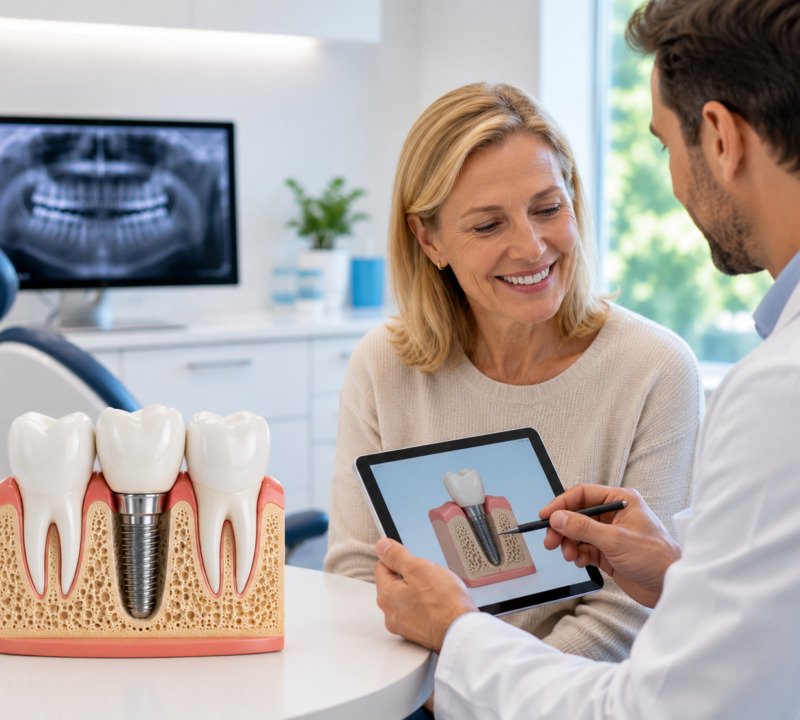
A typical dental implant consists of three main components:
- Implant post: The small metal or ceramic component placed inside the jawbone. It acts as an artificial tooth root.
- Abutment: A connector attached to the implant post that supports the replacement tooth.
- Dental crown: The visible part of the restoration, designed to resemble a natural tooth in shape, colour, and function.
Together, these components create a replacement tooth that looks natural and provides stability during everyday activities such as eating and speaking.
How Do Dental Implants Work?
Dental implants work through a natural biological process called osseointegration. During this process, the jawbone gradually grows around the implant surface, creating a strong connection.
This connection helps secure the implant and allows it to support a replacement tooth.
Here is a closer look at the different stages of treatment.
1. Initial Consultation and Dental Assessment
The process begins with a detailed dental examination. Before recommending implants, the dental professional evaluates the patient’s oral health, jawbone condition, and overall suitability for treatment.
This assessment may include:
- Examining the gums and remaining teeth.
- Reviewing dental and medical history.
- Taking dental X-rays or 3D scans.
- Checking jawbone volume and density.
- Discussing treatment goals and expectations.
Patients with insufficient jawbone support may need additional procedures, such as bone grafting, before implant placement.
This first stage helps the dental professional develop a treatment plan based on the patient’s individual needs.
2. Placement of the Dental Implant
Once the treatment plan is ready, the dental professional schedules the implant placement procedure.
The area is usually numbed with local anaesthesia to help keep the patient comfortable. The dentist then makes a small opening in the gum tissue and carefully prepares the jawbone to receive the implant.
The implant post is placed into the prepared site, and the gum tissue is allowed to heal.
Depending on the treatment approach, the implant may remain covered beneath the gum during healing or have a temporary healing component attached.
3. Osseointegration and Healing
After implant placement, the jawbone begins to integrate with the implant surface. This process is known as osseointegration.
It is one of the most important stages of implant treatment because it creates the stable foundation needed to support the replacement tooth.
Healing time varies depending on factors such as:
- Individual healing ability.
- Bone quality and quantity.
- Implant location.
- General health conditions.
- Whether additional procedures were required.
Osseointegration often takes several months. During this period, patients should follow their dentist’s instructions and attend recommended follow-up appointments.
4. Attaching the Abutment
Once the implant has integrated sufficiently with the jawbone, the dentist attaches an abutment if one was not already placed.
The abutment acts as a connector between the implant post and the final crown.
In some cases, a minor procedure may be needed to expose the implant before attaching the abutment. The surrounding gum tissue then needs time to heal and form a suitable shape around the restoration.
5. Placing the Final Dental Crown
The final stage involves attaching a custom-made dental crown to the abutment.
The dentist considers the surrounding teeth, bite, and smile when selecting the crown’s shape, size, and colour. This helps create a natural-looking result that fits comfortably.
After checking the bite and making any necessary adjustments, the dentist secures the crown in place.
The completed restoration allows patients to use the replacement tooth for everyday activities, provided they maintain proper care and attend regular dental checkups.
Who Is a Suitable Candidate for Dental Implants?
Dental implants can work well for many adults with missing teeth, but not everyone is automatically a suitable candidate.
A dental professional considers several factors before recommending treatment.
Good candidates generally have:
- Healthy gums without active periodontal disease.
- Sufficient jawbone to support the implant.
- Good overall oral hygiene habits.
- No uncontrolled medical conditions that could interfere with healing.
- A willingness to follow post-treatment care instructions.
Patients with bone loss may still qualify after procedures such as bone grafting. Similarly, people with certain medical conditions may receive implants after their health and treatment risks have been carefully evaluated.
Age alone does not determine eligibility. The condition of the jawbone, gums, and overall health matters more.
What Are the Main Benefits of Dental Implants?
Dental implants offer several advantages compared with some traditional tooth replacement options.
Improved Chewing and Speaking
Missing teeth can make it difficult to chew certain foods or pronounce particular sounds. Properly restored dental implants provide stability that can help improve everyday oral function.
Support for Jawbone Health
When a natural tooth is lost, the jawbone in that area may gradually shrink because it no longer receives normal stimulation from the tooth root.
Dental implants transfer chewing forces to the surrounding bone, helping maintain bone stimulation.
A Natural-Looking Appearance
Dental crowns are customised to match the appearance of surrounding teeth. This allows implants to blend naturally into the smile.
No Need to Rely on Adjacent Teeth
Unlike traditional dental bridges, which often require support from neighbouring teeth, an individual implant can replace a missing tooth without preparing healthy adjacent teeth.
Long-Term Tooth Replacement
With proper placement, regular dental care, and good oral hygiene, dental implants can provide a long-lasting tooth replacement solution. However, their lifespan varies between individuals, and the crown may require maintenance or replacement over time.
Dental Implants vs. Traditional Tooth Replacement Options
Patients often compare dental implants with dentures and dental bridges before choosing treatment.
| Feature | Dental Implants | Traditional Bridges | Removable Dentures |
| Stability | Fixed in the jawbone | Supported by adjacent teeth | Rests on gums |
| Bone stimulation | Helps stimulate jawbone | Does not replace the root | Does not replace the root |
| Removability | Generally fixed | Fixed | Removable |
| Adjacent tooth preparation | Usually not required | Often required | Usually not required |
Each option has its own advantages and limitations. The right choice depends on the number of missing teeth, oral health, budget, bone condition, and personal preferences.
How to Care for Dental Implants After Treatment
Although dental implants cannot develop cavities like natural teeth, the surrounding gum tissue can still become infected or inflamed.
Proper maintenance is essential to protect the implant and surrounding tissues.
Here are some practical care tips:
- Brush twice daily using a soft-bristled toothbrush.
- Clean between teeth with floss or suitable interdental brushes.
- Use any recommended oral hygiene products.
- Avoid smoking, as it can interfere with healing and increase complications.
- Attend regular dental examinations and professional cleanings.
- Contact your dentist if you notice bleeding gums, swelling, discomfort, or implant mobility.
Consistent oral hygiene helps reduce the risk of peri-implantitis, an inflammatory condition affecting the tissues around dental implants.
What Should You Consider Before Getting Dental Implants?
Before beginning treatment, take time to understand the procedure, expected timeline, costs, and potential risks.
Consider asking your dental professional these questions:
- Am I a suitable candidate for dental implants?
- Will I need bone grafting or other additional procedures?
- How long is my expected treatment and healing timeline?
- What type of implant restoration is recommended?
- What are the possible complications?
- What follow-up care and maintenance will I need?
- What will the complete treatment cost include?
Clear communication helps patients understand their options and set realistic expectations before treatment begins.
Final Thoughts
Dental implants offer a modern approach to replacing missing teeth by combining advanced dental techniques with the body’s natural bone-healing process. From the initial assessment and implant placement to osseointegration and final crown restoration, each stage plays an important role in achieving a functional and natural-looking result.
For anyone exploring dental implants in Vancouver, learning about the procedure, benefits, limitations, and aftercare is a useful first step. However, every smile has different needs. A professional dental assessment is the best way to determine whether implants are suitable and which treatment approach may provide the most appropriate results.
With proper planning, realistic expectations, and consistent oral hygiene, dental implants can help restore everyday comfort and support long-term oral health.


