 WhatsApp Us Now

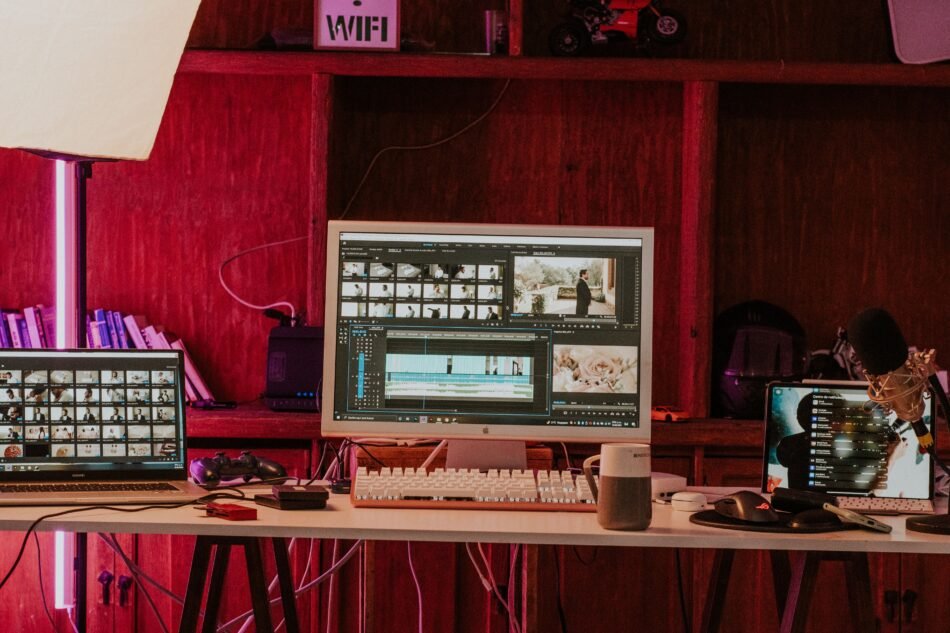
Running a YouTube channel involves much more than recording videos. Between researching topics, writing scripts, filming, editing, creating thumbnails, and engaging with viewers, even a single upload can take considerable effort.
For many creators, editing eventually becomes one of the most time-consuming parts of the process.
You might enjoy editing your own videos, but spending several hours polishing every upload can leave little time for planning your next one. As your channel grows, maintaining the same production routine becomes increasingly difficult.
That’s when outsourcing starts to make sense.
However, hiring a video editor isn’t necessarily the right move for every creator. The decision depends on your publishing schedule, budget, production requirements, and how much time you can realistically dedicate to editing.
Here’s how to recognize when it’s worth outsourcing YouTube video editing and what to consider before making the switch.
1. Editing Is Taking More Time Than Content Creation
One of the clearest signs that you may need an editor is when post-production consistently takes more time than you’re comfortable spending.
Imagine recording a 20-minute video in two hours, only to spend another eight hours trimming footage, adding graphics, adjusting audio, and making revisions.
That may be manageable when you’re publishing occasionally. But if you’re uploading multiple videos every week, those editing hours quickly add up.
The real question isn’t simply how long editing takes. It’s what you could accomplish with that time instead.
You might use those additional hours to research stronger video ideas, improve your scripts, connect with your audience, or develop sponsorship opportunities.
Before outsourcing, track your editing time across three or four uploads. Include organizing footage, editing, exporting, and revisions.
If you’re consistently sacrificing other important channel activities to finish your edits, delegating part of the process may be worthwhile.
2. Your Upload Schedule Is Becoming Difficult to Maintain
Publishing videos regularly requires a production process you can sustain.
Some creators can comfortably manage filming and editing on their own. Others reach a point where finishing one video leaves them with little energy to start the next.
This becomes particularly challenging when content creation is part of a larger business.
A creator who manages client work, sponsorships, product development, or other responsibilities may struggle to keep editing deadlines under control.
Outsourcing can help separate production responsibilities.
While an editor works on your latest recording, you can focus on preparing the next video.
For creators considering this transition, professional YouTube video editing services can provide support with tasks such as footage selection, pacing, sound design, and post-production.
However, hiring an editor won’t automatically solve an inconsistent publishing schedule. You still need a reliable filming routine, clear deadlines, and enough content ideas to support regular uploads.
3. Your Videos Need More Advanced Editing
Basic editing is relatively straightforward to learn. Cutting unnecessary footage, adjusting audio, and adding simple transitions are manageable with widely available editing software.
More complex projects are different.
Documentary-style storytelling, motion graphics, multicamera editing, sound design, and detailed color correction require additional skills and production time.
For example, a creator making educational videos may want animated diagrams to explain complicated concepts.
A travel creator might need carefully structured sequences that combine narration, location footage, music, and natural sound.
You can certainly learn these techniques yourself, but doing so requires time and practice.
If your content regularly demands editing skills you haven’t developed, working with a specialist may help you achieve your intended production style without handling every technical detail yourself.
The important thing is to hire someone whose experience matches the type of videos you create.
4. You’re Spending Less Time on Channel Growth
Editing is only one part of growing a YouTube channel.
Successful content planning also involves understanding your audience, reviewing performance, researching topics, and finding ways to improve future videos.
When editing consumes most of your available working hours, these activities can easily become secondary.
You might finish every upload on time but rarely review which topics performed well or why viewers stopped watching certain videos.
That’s a missed opportunity to learn from your content.
Delegating editing can create room for more strategic work.
Instead of spending another evening adjusting transitions, you could analyze audience feedback, improve your next video concept, or experiment with different formats.
The objective isn’t to eliminate your involvement in post-production. It’s to use your time where your input matters most.
5. Calculate Whether Outsourcing Makes Financial Sense
Before hiring an editor, compare the actual cost of outsourcing with the time you currently spend editing.
Suppose you publish four videos per month, and each takes six hours to edit.
That’s 24 hours of editing every month.
If you value your working time at $25 per hour, those 24 hours represent $600 of potential productive time.
Now imagine an editor quotes $150 per video. Four edited videos would also cost $600.
At first glance, those numbers appear equal.
However, the financial decision isn’t quite that simple.
Outsourcing may still require several hours for preparing briefs, transferring footage, reviewing drafts, and requesting changes. Similarly, your newly available time doesn’t automatically translate into additional income.
You need to consider what you will actually do with those hours.
If outsourcing allows you to take on paid projects, produce additional content, or improve business operations, the investment may be easier to justify.
If your channel is still experimental and you don’t have a clear use for the extra time, continuing to edit yourself may be the better option.
Editing prices also vary according to video length, complexity, turnaround requirements, and the experience of the editor.
For a closer look at pricing considerations, this YouTube video editing cost breakdown explains the differences between freelance editors and agencies, along with factors that influence project costs.
Always compare the complete scope of work rather than focusing only on the lowest price.
6. Should You Hire a Freelancer or a Video Editing Agency?
Once you’ve decided to outsource, the next question is who should handle your editing.
Freelancers can be a practical choice for creators who need occasional help or want to establish a long-term relationship with an individual editor.
Working with the same person can also make it easier to maintain a consistent editing style.
However, a freelancer’s availability may become a concern when you’re managing a demanding publishing schedule.
An agency may offer access to multiple editors, established production workflows, and additional post-production capabilities.
This can be useful when you publish frequently or produce different types of content.
Agencies such as TickMarker focus on video editing for YouTube creators and brands, providing an example of the specialized production support available to creators who want to delegate editing.
Neither option is automatically better.
A skilled freelancer may be more suitable for a small channel with straightforward editing requirements, while an agency could make sense for a creator managing multiple uploads and more complex production needs.
Review relevant work samples, discuss turnaround expectations, and confirm how revisions are handled before choosing either option.
7. Know Which Editing Tasks You Want to Outsource
Outsourcing doesn’t mean you need to hand over every creative decision.
Some creators prefer to remain closely involved in storytelling and leave the technical editing to someone else.
Others provide raw footage, a creative brief, and reference videos, allowing the editor to develop the first cut.
You can also begin by outsourcing a limited part of the workflow.
For instance, you might continue assembling the initial footage but delegate audio cleanup, color grading, captions, or motion graphics.
Another option is to outsource only the videos that require additional production work.
This gradual approach allows you to understand how an editor works before committing to a larger arrangement.
It also helps identify which responsibilities are worth keeping in-house.
The ideal setup should reduce your workload without compromising the creative direction that makes your channel recognizable.
8. Start with a Paid Test Project
Finding someone who can use editing software is relatively easy. Finding an editor who understands your content style can be more challenging.
A strong editor should recognize what makes your videos engaging, how you communicate with viewers, and which moments deserve emphasis.
Before entering a long-term agreement, consider starting with one paid test project.
Provide the editor with raw footage, examples of your previous videos, and a short explanation of the desired outcome.
Then evaluate the result.
Does the finished video feel consistent with your channel? Does the pacing support the story? Are the audio and visuals polished? Does the editor respond constructively to feedback?
Pay attention to communication as well.
Clear updates and predictable delivery can be just as important as technical editing ability when you’re working against publishing deadlines.
A successful test project gives both sides an opportunity to establish expectations before expanding the relationship.
9. Create a Workflow That Makes Collaboration Easier
Even an experienced editor needs clear instructions.
Without a defined process, you may spend more time explaining changes than you would have spent making them yourself.
Start by organizing your raw footage and providing a concise creative brief.
Include the video’s objective, target audience, preferred editing style, reference videos, and expected delivery date.
If you have recurring requirements for music, captions, transitions, or graphics, document them.
It also helps to establish a consistent feedback process.
For example, reviewing a first cut using timestamped comments allows an editor to understand exactly which sections need adjustments.
Over time, a reliable editor should become more familiar with your preferences.
The initial collaboration may require additional effort, but a well-organized workflow can make subsequent projects easier to manage.
10. Measure Whether Outsourcing Is Actually Helping
After outsourcing a few videos, evaluate the arrangement rather than assuming it was worthwhile.
Start with your workload.
Are you spending fewer hours on editing-related tasks? Are your publishing deadlines becoming easier to manage? Do you have more time for planning and filming?
Next, review the videos themselves.
Look at audience retention, average view duration, viewer feedback, and other relevant performance indicators in YouTube Studio.
These metrics can help you identify whether certain editing decisions appear to be working well.
However, remember that video performance is influenced by several factors beyond editing, including the topic, title, thumbnail, audience interest, and distribution.
A single successful video doesn’t prove that outsourcing caused the improvement.
Compare results across multiple uploads and consider the overall production process.
The best outsourcing arrangement should make content creation more sustainable while maintaining or improving the quality of your videos.
When Should You Keep Editing Your Own Videos?
Outsourcing isn’t necessary simply because your channel is growing.
If you enjoy editing, have enough time to maintain your publishing schedule, and feel confident about the quality of your work, there’s no immediate reason to delegate it.
Editing your own content can also help you develop storytelling instincts and understand what works for your audience.
For creators who are still experimenting with their channel’s direction, that hands-on experience can be especially valuable.
You may also prefer to keep editing in-house if your budget is limited or your content depends heavily on a personal editing style.
The decision should support your goals, not follow an arbitrary subscriber milestone.
Final Thoughts
There isn’t a specific subscriber count or monthly revenue figure that tells every YouTube creator when to hire an editor.
The right time depends on your workload, production requirements, available budget, and what you’re hoping to accomplish.
If editing consistently prevents you from creating new content, maintaining your schedule, or focusing on channel growth, outsourcing may be worth exploring.
Start small, communicate your expectations clearly, and evaluate the results before making a long-term commitment.
The purpose of outsourcing YouTube video editing isn’t simply to get videos finished faster.
It’s to build a production process that allows you to keep creating content without spending all your available time behind the editing timeline.


