 WhatsApp Us Now

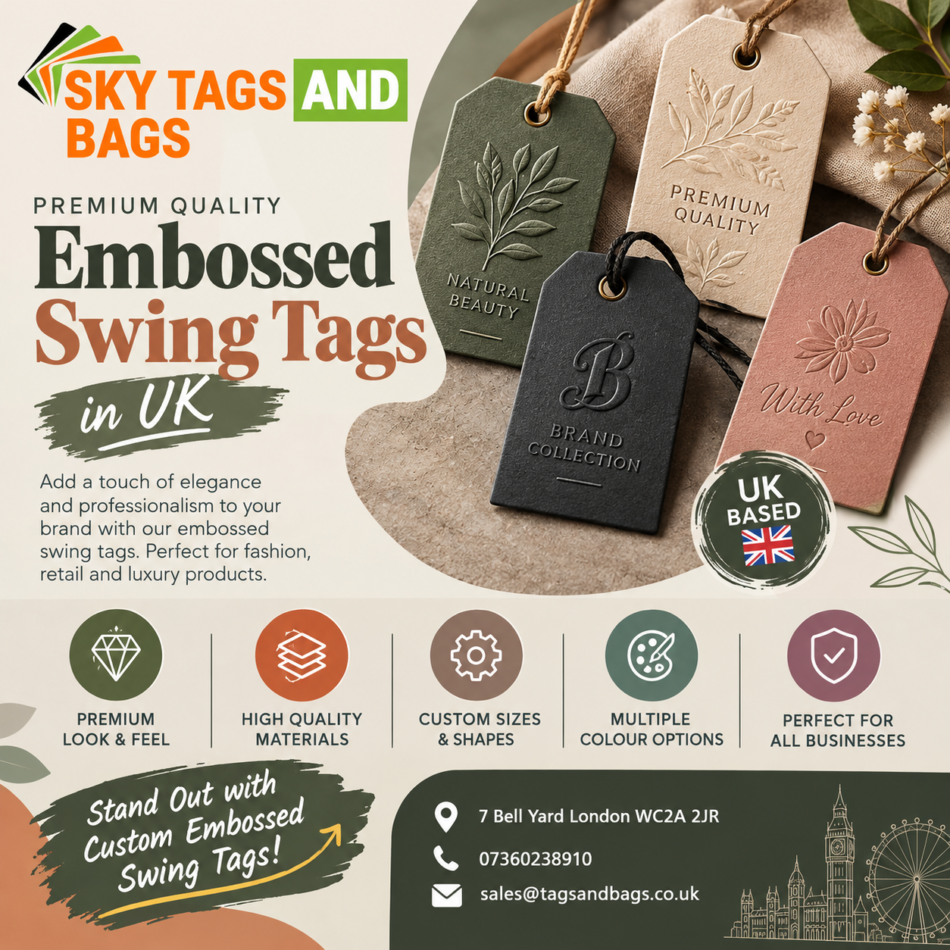
In today’s competitive retail and fashion industry, product presentation plays an important role in influencing customer decisions. Whether a business sells clothing, luxury accessories, footwear, handmade products, or lifestyle collections, small packaging details can make a significant difference to how customers perceive a brand. One increasingly popular option is embossed swing tags, which combine professional design with a distinctive textured finish.
As the packaging industry moves towards 2026/2027, businesses across the United Kingdom are looking for affordable, attractive, and environmentally responsible ways to improve product presentation. Packaging is no longer simply about protecting products; it has become an important part of brand identity, customer experience, and retail marketing.
Among the available options, embossed swing tags uk are gaining attention because they provide a sophisticated appearance without necessarily requiring expensive packaging materials. Their raised lettering and decorative details help brands communicate quality while maintaining a clean and professional design.
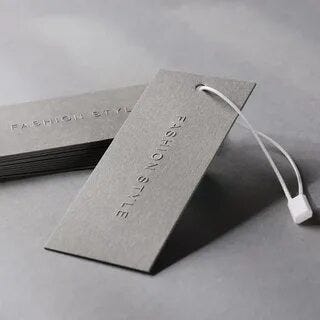
Understanding the latest trends, material choices, printing techniques, and cost considerations can help retailers make better decisions when selecting swing tags for their products.
1. What Are Embossed Swing Tags and How Do They Work?
Embossed swing tags are printed product labels featuring raised patterns, letters, logos, or decorative elements. The embossing process uses specially designed dies to create a raised impression on the paper or card surface.
Unlike standard flat-printed labels, embossed designs introduce a tactile element. Customers can see and feel the raised details, creating a more memorable product presentation.
These tags are commonly attached to products using string, cotton cords, ribbons, or other suitable fastenings.
Popular applications include:
- Fashion and clothing labels.
- Luxury handbags and accessories.
- Footwear and leather goods.
- Jewellery and gift products.
- Handmade and artisan collections.
- Boutique retail packaging.
- Premium lifestyle products.
Businesses can customise their tags with brand names, logos, product information, care instructions, and other relevant details.
For example, a clothing retailer might use a simple embossed logo on a thick, uncoated card to create a refined appearance. A jewellery business may prefer a smaller tag with subtle embossed lettering and a decorative border.
The main advantage is flexibility. Businesses can choose different shapes, sizes, colours, card thicknesses, and finishing options according to their branding requirements.

2. Packaging and Retail Industry Trends for 2026/2027
The packaging industry continues to evolve as customer expectations, sustainability concerns, and retail competition influence purchasing decisions. Several important developments are shaping the future of product labelling and presentation.
Minimalist and Premium Designs
Minimalist packaging is becoming an important choice for modern brands. Rather than using excessive colours and complicated graphics, businesses are increasingly choosing simple layouts, clean typography, and carefully positioned logos.
Embossing works particularly well with this approach because a raised design can create visual interest without requiring additional decorative elements.
Popular design approaches include:
- Minimalist logos with raised lettering.
- Neutral colours such as cream, white, grey, and black.
- Elegant typography and simple layouts.
- Textured card surfaces.
- Small metallic or foil details combined with embossing.
These design choices can help products look professional while keeping the overall packaging design consistent.
Sustainable Packaging Materials
Environmental responsibility is another important consideration for the 2026/2027 packaging market. Many retailers are exploring recyclable paper, responsibly sourced card, and materials that reduce unnecessary plastic use.
When selecting embossed tags, businesses should consider:
- Recyclable paper and card options.
- Responsibly sourced materials.
- Water-based printing inks where suitable.
- Plastic-free attachment options.
- Minimal packaging waste.
It is also important to check whether coatings, laminations, metallic finishes, and other decorative treatments affect recyclability.

A well-designed paper tag can support a brand’s sustainability message while maintaining an attractive appearance.
Personalisation and Brand Identity
Personalised packaging is becoming increasingly valuable in retail. Businesses want their products to communicate a consistent identity across packaging, labels, websites, and customer communications.
Custom embossed logos, distinctive shapes, and carefully selected colours allow businesses to create recognisable packaging.
For growing retailers, this can help establish a professional appearance even when competing with larger brands.
3. How to Choose Affordable and High-Quality Embossed Swing Tags
Selecting the right tags requires more than comparing printing prices. Businesses should consider material quality, design complexity, production quantities, and finishing options.
The embossed swing tags selected for a product range should complement the product itself and match the overall brand identity.
Here are some practical factors to consider.
Choose the Right Card Thickness
Card thickness influences the appearance, durability, and feel of a swing tag.
Thicker card generally creates a more substantial feel, making it suitable for premium clothing, accessories, and luxury products. Lighter card may be more economical for everyday retail collections.
The best choice depends on the product, intended use, and available packaging budget.
Select Suitable Colours and Finishes
Colour selection should reflect the brand’s visual identity. Neutral shades often work well for minimalist collections, while bold colours can help younger or more creative brands stand out.
Some popular finishing options include:
- Embossing for raised lettering and logos.
- Debossing for recessed design details.
- Foil stamping for metallic effects.
- Matte finishes for a subtle appearance.
- Gloss finishes for a brighter surface.
Combining too many finishes can increase production costs and make the design look unnecessarily complicated. A focused approach often produces better results.

Consider Order Quantities
Production quantities can influence the overall cost per tag. Businesses should compare different order volumes and consider their expected sales rather than ordering more stock than they can reasonably use.
For smaller retailers, flexible quantities can help control initial packaging expenses. Established brands may benefit from planning larger production runs when their designs and requirements are consistent.
Check Printing and Embossing Quality
Before approving a large order, businesses should review samples or proofs where available.
Important quality checks include:
- Clear and consistent raised impressions.
- Accurate logo placement.
- Clean cutting and finishing.
- Correct colours and typography.
- Properly positioned attachment holes.
- Suitable card strength.
These details help reduce production errors and maintain consistency across different product batches.
4. Common Challenges in Custom Swing Tag Production
Although customised tags offer many benefits, businesses can encounter several challenges during the design and production process.
Inconsistent embossing: Poorly controlled pressure or unsuitable materials can produce uneven raised impressions. Working with an experienced printing provider and reviewing production samples can help prevent this problem.
Unclear design details: Very small text and complicated logos may not reproduce accurately during embossing. Simplifying artwork and using suitable typography can improve the final result.
Unexpected production costs: Additional finishing processes, special materials, and complicated shapes can increase manufacturing expenses. Businesses should establish their requirements before requesting quotations.
Incorrect tag sizing: A tag that is too large may look unsuitable on a small product, while a very small tag may not provide enough room for essential information. Measuring the product and testing sample sizes can help identify the right dimensions.
Environmental concerns: Some decorative finishes may affect recycling. Retailers should discuss material and finishing compatibility with their packaging suppliers before making sustainability claims.
Addressing these challenges early can save time, reduce unnecessary costs, and improve the finished product.

5. Finding the Best Embossed Swing Tags for Different Businesses
Different industries have different packaging requirements. Therefore, choosing the best embossed swing tags involves understanding the product, target customers, and intended brand image.
Fashion retailers often prefer elegant tags with embossed logos, attractive typography, and quality card stock. These designs complement clothing collections and help maintain a consistent presentation across different product categories.
Luxury accessory brands may choose heavier card, subtle embossing, and refined finishing options to create a premium impression. Jewellery businesses generally require smaller tags with carefully arranged information and appropriate attachment methods.
Independent retailers and small businesses may prioritise affordability and flexible customisation. Simple embossed designs can provide an attractive result without requiring unnecessary decorative features.
E-commerce businesses also benefit from carefully designed swing tags. Although customers initially discover products online, the physical packaging experience becomes important when an order arrives. A professionally designed tag can reinforce brand recognition and contribute to a positive unboxing experience.
For businesses researching packaging suppliers, Tags and Bags provides an example of a UK-focused packaging resource. Its dedicated page offers information about custom embossed swing tags for businesses exploring different product presentation options.

Before selecting a supplier, retailers should compare material specifications, customisation options, production requirements, and finishing quality.
Conclusion: Preparing Retail Packaging for 2026/2027
The future of retail packaging is increasingly focused on personalisation, quality, sustainability, and affordability. Businesses no longer need complicated packaging designs to create a professional impression. Small details, such as carefully selected materials and raised brand elements, can make products more recognisable and improve their overall presentation.
For retailers exploring embossed swing tags uk, the most effective approach is to balance appearance, functionality, and production costs. Choosing suitable card stock, simple artwork, appropriate finishing techniques, and reliable production processes can help businesses achieve consistent results.
As the packaging market develops throughout 2026/2027, brands that pay attention to product presentation and customer experience will be better positioned to meet changing retail expectations.
Ultimately, successful packaging is not always about spending more. It is about making informed design choices that communicate brand identity, support product value, and create a positive impression from the moment a customer receives a product.
Contact Us : https://www.tagsandbags.co.uk/contact-us/
About Us : https://www.tagsandbags.co.uk/about-us/
Website Link : https://www.tagsandbags.co.uk/
Social Media : (More Read )
https://www.tagsandbags.co.uk/where-can-i-buy-brown-paper-bags/
https://www.tagsandbags.co.uk/how-to-make-a-gift-bag-out-of-wrapping-paper/
https://www.tagsandbags.co.uk/should-shops-charge-for-paper-bags/
https://www.tagsandbags.co.uk/do-shops-have-to-charge-for-paper-bags/
https://www.tagsandbags.co.uk/are-shops-allowed-to-charge-for-paper-bags/
https://www.tagsandbags.co.uk/are-shops-allowed-to-charge-for-paper-bags/


