 WhatsApp Us Now

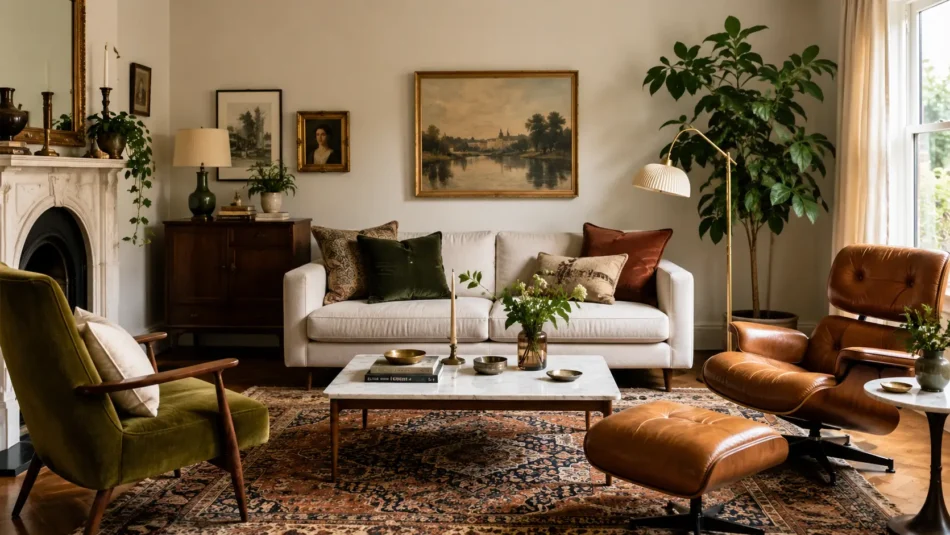
Creating a beautiful home does not always mean filling every room with brand-new furniture and contemporary accessories. Sometimes, the most interesting interiors come from combining modern design with carefully selected pieces from the past. Vintage home decor offers a unique way to introduce character, warmth, and individuality into living spaces while preserving a connection to different design periods. From antique wooden cabinets and retro lighting to decorative mirrors and classic dining furniture, vintage elements can make a modern home feel more personal and inviting. The secret is knowing how to balance old and new without making the interior appear outdated or overcrowded. Whether you prefer subtle retro accents or statement furniture, incorporating vintage pieces can transform your home into a stylish space that reflects your personality.
Understanding the Appeal of Vintage Home Decor
Vintage home decor has remained popular because it combines visual character with a sense of history. Unlike mass-produced contemporary accessories, many vintage items feature distinctive craftsmanship, materials, and design details that are difficult to replicate. Older furniture may include natural wood grain, handcrafted finishes, decorative hardware, and unique proportions. These characteristics give individual pieces a personality that can make an interior feel more welcoming. For homeowners who appreciate originality, vintage decorating provides an opportunity to create spaces that look different from standard modern interiors.
Another advantage of vintage design is its versatility. Retro furniture and accessories can complement contemporary, minimalist, industrial, Scandinavian, and traditional interiors. A vintage wooden sideboard can introduce warmth into a modern living room, while an antique mirror can add visual depth to a simple hallway. Even a small decorative object can become an interesting focal point when placed thoughtfully. You do not need to follow one historical design period throughout your home to enjoy vintage styling.
Vintage decorating also encourages more thoughtful furniture choices. Instead of replacing everything whenever interior trends change, homeowners can preserve useful furniture and combine it with newer pieces. This approach can help reduce unnecessary purchases while allowing meaningful objects to remain part of everyday life. However, age alone does not guarantee quality, so it is important to consider the condition, construction, and suitability of each item before bringing it into your home.
Start With Vintage Furniture as the Main Feature
Furniture is one of the easiest ways to introduce retro character into a modern interior. A vintage coffee table, wooden sideboard, classic armchair, or antique cabinet can become the main attraction in a contemporary room. These pieces often feature distinctive shapes, natural materials, and construction details that create visual interest. Rather than filling the room with several unrelated vintage items, begin with one or two statement pieces. This makes it easier to establish a balanced appearance without overwhelming the existing decor.
Wooden furniture is particularly effective because it adds warmth and texture to modern interiors. Vintage teak, walnut, oak, and mahogany pieces can complement neutral walls, contemporary flooring, and modern upholstery. A carefully restored wooden cabinet can provide practical storage while introducing a sense of history. Similarly, a retro armchair with attractive upholstery can create a comfortable reading corner. Combining these items with simple contemporary furniture allows their original character to remain noticeable.
Before purchasing vintage furniture, inspect its structural condition carefully. Check the legs, joints, drawers, handles, and supporting frames for damage or signs of poor repairs. Minor scratches and surface imperfections may be acceptable, but serious cracks, wood rot, or unstable construction can require professional restoration. Ask sellers about previous repairs and the furniture’s history whenever possible. These precautions help ensure that your chosen pieces remain functional as well as attractive.
Incorporating a Vintage Dining Table and Chairs Into Modern Interiors
The dining room is an excellent place to introduce retro furniture because a distinctive table and seating arrangement can immediately change the atmosphere. A vintage dining table and chairs can bring warmth, craftsmanship, and personality into a contemporary home. Traditional wooden tables often feature natural grain patterns, sturdy construction, and proportions that make them suitable for family meals and social gatherings. When paired with modern lighting or simple decorative accessories, vintage dining furniture can create an appealing contrast between old and new design elements.
When selecting a vintage dining table, consider its size, material, and overall condition. Rectangular tables work well in larger dining rooms, while round designs can create a more intimate arrangement in smaller spaces. Check the tabletop for deep scratches, water damage, and uneven surfaces. Examine the legs and supporting structure to ensure the table remains stable during everyday use. If the table includes an extension mechanism, test it carefully to confirm that it operates properly.
Dining chairs provide another opportunity to introduce vintage character. Look for distinctive wooden frames, curved backrests, upholstered seats, or original decorative details. You can pair vintage chairs with a contemporary dining table or combine older seating with a modern sideboard. Mixing furniture periods works particularly well when the pieces share complementary colors, materials, or proportions. However, comfort should remain a priority, especially if the dining area is used regularly for long meals and gatherings.
Mix Retro Colors, Patterns, and Materials Carefully
Color selection plays an important role in creating a balanced vintage-inspired interior. Different design periods are associated with distinctive color combinations, including mustard yellow, olive green, burnt orange, deep brown, muted blue, and warm cream. These shades can introduce retro character without requiring major changes to the room. For example, a modern living room with neutral walls can benefit from vintage-inspired cushions, artwork, or an accent chair in a warm color. Using a limited palette helps prevent the space from becoming visually overwhelming.
Patterns are another effective way to introduce historical character. Geometric prints, floral fabrics, stripes, and abstract designs can create an interesting contrast with modern furniture. However, using several bold patterns in one room may make the interior feel crowded. Choose one dominant pattern and support it with smaller complementary details. A patterned rug, for example, can become the main decorative feature while solid-colored upholstery and simple curtains maintain balance.
Materials also help connect vintage and contemporary design. Natural wood, leather, brass, glass, ceramic, and woven textiles work particularly well together. A wooden vintage cabinet can complement a modern metal floor lamp, while a ceramic vase can soften the appearance of a contemporary glass table. Combining different textures creates depth and makes the room feel more comfortable. The goal is to create visual contrast while ensuring that all elements contribute to a consistent overall appearance.
Use Vintage Lighting and Decorative Accessories
Lighting is an effective way to add retro character without purchasing large furniture pieces. Vintage table lamps, pendant fixtures, wall sconces, and floor lamps can introduce distinctive shapes and materials into modern rooms. Brass finishes, frosted glass, sculptural bases, and fabric lampshades are popular choices for creating a warm atmosphere. A carefully selected lighting fixture can become a focal point while providing practical illumination for reading, dining, or relaxing.
Decorative accessories offer another opportunity to personalize your home. Vintage clocks, framed artwork, ceramic vases, decorative trays, old books, and handcrafted objects can add character to shelves and tabletops. These smaller pieces are particularly useful for homeowners who want to experiment with retro styling before investing in larger furniture. Displaying a few carefully selected accessories often creates a stronger impression than filling every available surface with decorative objects.
Placement is important when arranging vintage accessories. Group objects of different heights and shapes to create visual interest, but leave enough empty space to prevent clutter. A vintage mirror can make a hallway appear brighter, while an old decorative clock can add personality to a kitchen or living room. Choose accessories that complement the furniture and color palette rather than competing with them. Thoughtful placement helps each item contribute to the overall design.
Create Balance Between Vintage and Contemporary Furniture
One of the most common challenges when decorating with retro pieces is maintaining a balanced appearance. Using too many vintage items from different periods can make a room feel inconsistent, while relying entirely on modern furniture may remove the character you want to introduce. A successful approach is to combine a few distinctive older pieces with contemporary essentials. For example, a vintage wooden sideboard can work beautifully alongside a modern sofa, neutral curtains, and a simple coffee table.
Furniture proportions should also be considered when combining different styles. An oversized antique cabinet may dominate a small room, while a delicate vintage chair could appear disconnected beside large contemporary furniture. Pay attention to height, width, and visual weight when arranging pieces together. If one item has a strong decorative appearance, balance it with simpler furniture and accessories. This creates a more relaxed environment where individual designs can stand out naturally.
Modern functionality should remain part of the decorating process. Vintage furniture may offer beautiful craftsmanship, but it does not always provide the storage, comfort, or dimensions required by modern households. Contemporary cabinets, lighting, and seating can fill these practical gaps. Combining both types of furniture allows homeowners to enjoy the character of older designs without sacrificing everyday convenience. The most successful interiors make vintage and modern elements feel like natural partners.
Vintage Home Decor Ideas for Different Rooms
The living room is often the easiest place to experiment with vintage styling. A retro coffee table, classic armchair, or wooden sideboard can introduce character while maintaining a comfortable arrangement. Combine these pieces with contemporary sofas, neutral rugs, and simple lighting to create a balanced environment. Vintage artwork and decorative accessories can complete the look without requiring extensive furniture changes. Keep walking areas clear and avoid placing too many large items close together.
In the bedroom, vintage furniture can create a warm and relaxing atmosphere. A wooden dresser, antique bedside table, or traditional mirror can complement modern bedding and simple wall colors. Soft fabrics, natural textures, and understated lighting help maintain a comfortable appearance. You can also introduce vintage-inspired decorative details through framed artwork, ceramic lamps, or carefully selected textiles. The objective is to create a peaceful space where older furniture adds personality without making the room feel crowded.
Kitchens and entryways also provide opportunities for retro decorating. Vintage dining chairs, wooden storage cabinets, decorative wall clocks, and old-style shelving can introduce character into functional areas. In an entryway, a vintage console table or mirror can create an attractive first impression. In the kitchen, carefully selected accessories and storage pieces can soften the appearance of modern cabinets and appliances. Choosing items that are practical as well as decorative helps maintain consistency throughout the home.
Maintaining and Caring for Vintage Furniture
Proper maintenance is essential for preserving the appearance and functionality of vintage furniture. Wooden surfaces should be cleaned with soft cloths and products suitable for their specific finish. Avoid excessive moisture and prolonged exposure to direct sunlight because these conditions can damage wood and cause fading. Using coasters, protective pads, and suitable surface treatments can reduce everyday wear. For delicate antique finishes, professional advice is preferable to experimenting with unfamiliar cleaning products.
Upholstered vintage furniture may require additional attention, particularly when original fabrics have become fragile. Vacuum fabric surfaces gently using an appropriate attachment, and address spills according to the material’s cleaning requirements. Leather furniture may benefit from suitable conditioning products to maintain its flexibility and appearance. If upholstery is severely damaged, professional restoration can help improve its condition while preserving the original furniture structure. Always consider the item’s historical and financial value before making significant alterations.
Metal and glass accessories also need appropriate care. Brass and other metal finishes may require gentle cleaning to avoid removing their original surface treatment. Glass tabletops and decorative objects should be cleaned with suitable products and handled carefully. Regular inspections can help identify loose hardware, unstable joints, or minor damage before problems become more serious. Good maintenance allows vintage pieces to remain useful while preserving the character that makes them special.
Bringing Vintage Character Into Your Modern Home
Incorporating vintage furniture into a contemporary interior is an opportunity to create a home that feels personal, welcoming, and visually distinctive. You do not need to follow a strict decorating style or fill every room with antique objects. Start with a few meaningful pieces, such as a vintage dining table, a classic armchair, or a decorative wooden cabinet. Build the remaining interior around these items using modern furniture, complementary colors, and carefully selected accessories.
The most successful vintage-inspired interiors balance historical character with modern comfort. By considering furniture quality, room proportions, materials, lighting, and decorative details, you can create spaces that look coordinated without feeling overly designed. Vintage home decor offers a flexible way to celebrate craftsmanship and individuality while making practical use of existing furniture. With thoughtful selection and proper care, retro pieces can become lasting parts of your home, adding warmth and character for many years.


