 WhatsApp Us Now

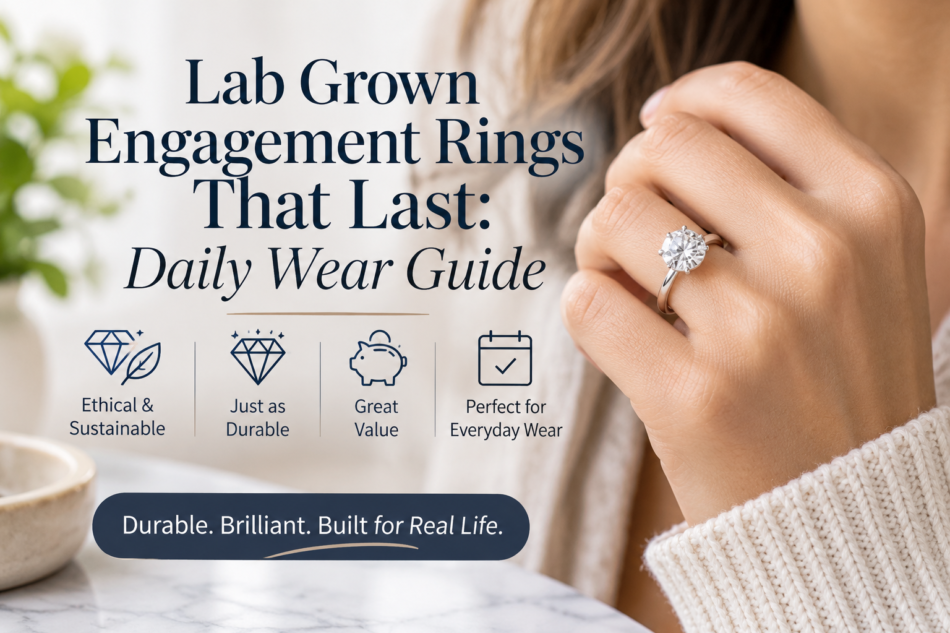
You’ve picked the stone, so you’d think the hard part is over. But, in reality, it isn’t. A ring that looks flawless under shop lighting still has to survive door handles, gym bars, washing-up, and a few thousand handshakes. The good news is that lab grown engagement rings are physically tough enough for everyday life, because the stones are made of the same material as mined ones. What decides longevity is rarely the stone alone. It’s the setting, the metal, and how you look after the ring.
This guide covers each of those, with plain advice for a busy, hands-on life.
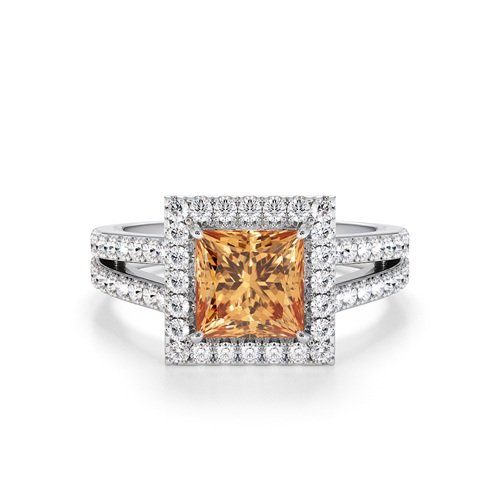
How Durable Are Lab-Grown Diamonds for Everyday Wear?
A lab grown diamond is as durable as a mined one, scoring 10 on the Mohs scale, the highest rating there is. Scratches from keys, worktops, and denim simply isn’t a worry. A diamond can still chip if struck hard at the wrong angle, so the setting matters as much as the stone.
Hardness versus toughness
Hardness is resistance to scratching. Toughness is resistance to breaking. They aren’t the same thing, and mixing them up is the most common mistake buyers make.
The Mohs scale, devised by the German mineralogist Friedrich Mohs in 1812, ranks ten reference minerals from talc (1) to diamond (10). It only measures scratching. Diamond also has cleavage planes, which means a sharp knock on the girdle, the thin outer edge of the stone, can cause a small chip. It’s rare. When chipping occurs, it typically affects a stone that is set high and exposed on a hand that is frequently used for work.
What “lab-grown” actually means
Lab grown diamond engagement rings have the real diamonds: pure carbon arranged in a cubic crystal structure, grown in a machine rather than dug from the ground. Today most stones are made by that method or by chemical vapour deposition.
For daily wear, that matters. You aren’t buying a lookalike with a softer surface. You’re buying the same material, grown on a different timeline.
Which Ring Setting Survives Daily Life Best?
For most people, a low-profile solitaire with sturdy claws, or a three-stone ring with well-protected side stones, lasts best. The less a stone stands proud of the finger, the fewer knocks it takes. A few thicker claws usually outlast many fine ones, provided someone checks them regularly.
Solitaire settings and claw height
The solitaire is classic for a reason. One stone, one clear line, and very little to snag. The trade-off is height. Tall claws let in more light but catch on knitwear, hair, and pockets. A lower setting sits closer to the finger and shrugs off more of life’s bumps.
Four claws balance security and sparkle. Six claws give extra insurance for a larger stone, but they cover more of it.
Here’s a view that goes against the glossy photos: the wire-thin, barely-there claw is the worst choice for anyone who uses their hands. It looks elegant on day one. By year five, it’s often the first thing that needs rebuilding. A slightly chunkier claw looks a touch heavier at the start and considerably better later. This principle also applies to lab grown diamond engagement rings, which are available in the same range of settings as mined diamonds, allowing you to choose based on practicality and style rather than origin.
Three-stone rings
A three-stone ring spreads the visual weight across the finger and gives the centre stone two neighbours who sit slightly lower. Those side stones act as a small buffer on either side. It’s a sound option for people who want presence without a tall profile.
There are downsides. More stones mean more claws to inspect, and the gaps beneath them collect soap film and hand cream. A soft brush and a monthly soak in warm, mild washing-up liquid solve most of it.
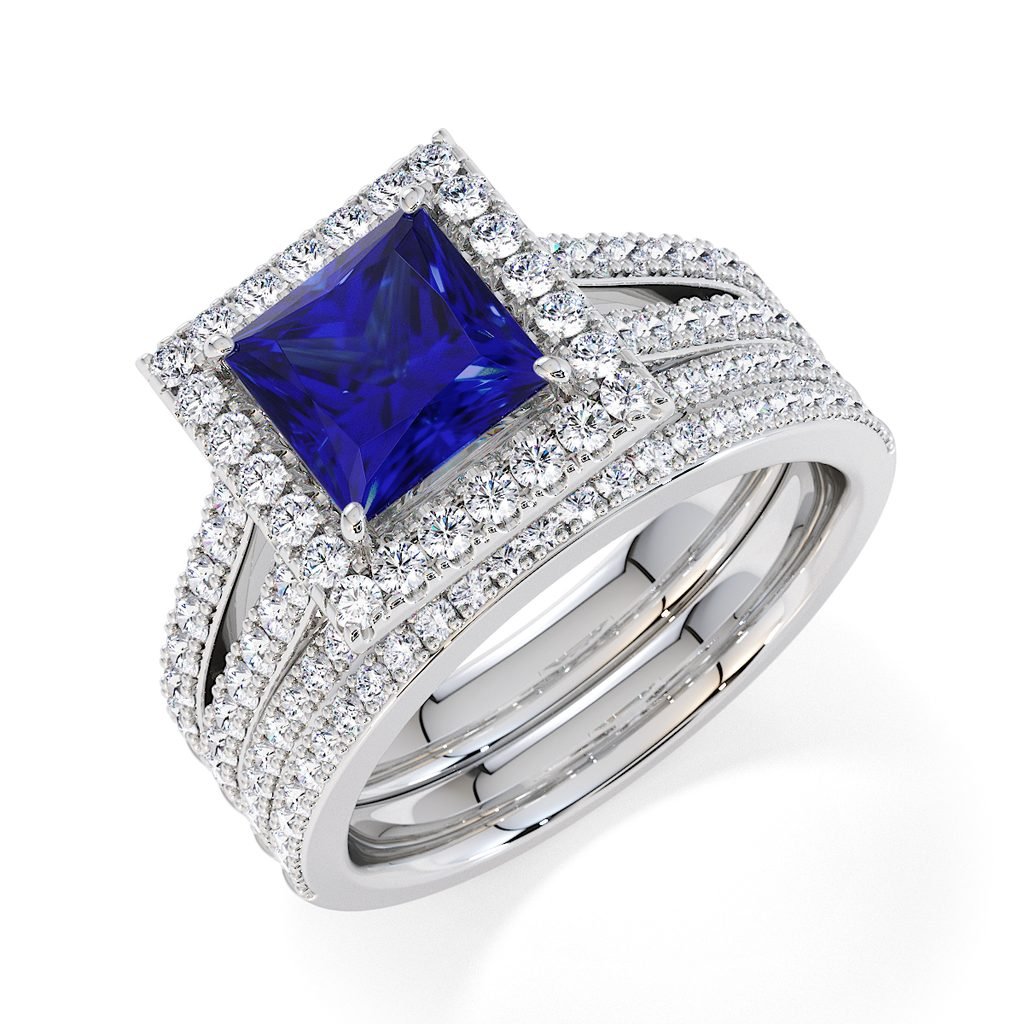
Is a Blue Sapphire Tough Enough for Everyday Wear?
Yes. Sapphire scores 9 on the Mohs scale, second only to diamond among stones commonly used in engagement rings. It resists scratching well and doesn’t cleave the way diamond can. A blue sapphire is a very sensible pick for an active wearer who wants colour instead of a colourless stone.
Sapphire is a form of corundum, which is aluminium oxide, and tiny traces of iron and titanium give it that classic blue. A lab-grown blue sapphire has the same chemistry and hardness as a mined stone, and it often shows fewer visible inclusions, the tiny internal features that can sometimes make a mined stone look cloudy. Fewer inclusions don’t make it tougher. They do make the colour look more even.
Choosing a shade that wears well
Mid-tone royal blue is the forgiving choice. It hides fine surface dust and the odd micro-mark better than very pale stones, which can look washed out, or very dark ones, which can look almost black in dim restaurants.
Look at any stone you’re considering in daylight and under indoor bulbs. Blue shifts more than most colours between the two. If it looks good in both, it’ll look good on a rainy Tuesday in Manchester and a sunny Saturday in Brighton.
Pairing blue with metal
Yellow gold warms a blue stone and gives it a vintage feel. White metals, such as platinum or white gold, make it crisper and cooler. Neither is better. Pick whichever matches the jewellery you already wear, because a ring that clashes with your watch or earrings tends to live in a drawer.
Which Metal and Lifestyle Choices Matter Most?
Platinum and 18 ct gold both suit daily wear. Platinum is denser and tends to develop a soft satin patina rather than losing metal. Gold is lighter and easy to re-polish. Your job, hobbies, and how often you’ll take the ring off should steer the choice more than fashion does.
Platinum, gold, and white gold
Look for the hallmark inside the band. UK assay offices in London, Birmingham, Sheffield, and Edinburgh stamp precious metal with its purity, and the numbers are easy to read: 950 for platinum, 750 for 18 ct gold, and 375 for 9 ct gold.
White gold is usually plated with rhodium for that bright finish, and the plating can wear thin over a few years. Re-plating is routine and inexpensive, typically tens of pounds rather than hundreds. Yellow and rose gold don’t need it. Platinum doesn’t either. If you’d rather never think about plating, that’s a fair reason to skip white gold.
Consider your work, hobbies, and the appropriate times to remove the ring.
A ring is jewelry, not armor. Nurses, climbers, weightlifters, gardeners, and anyone who does DIY on weekends should consider a silicone ring for those moments. Chlorine and hot tubs aren’t kind to gold alloys, and bleach is worse. A small dish by the sink is a better idea than a lost stone down the drain.
Desk workers get the easiest ride. Even so, take the ring off before applying hand cream or sanitizer in bulk. Residue sits behind the stone and dulls the sparkle faster than any scratch.
Matching bands and eternity rings
Wedding bands bring their own considerations. A flat band can sit flush against a low solitaire, while a curved or notched band wraps around it. Bridal sets, designed to fit together, eliminate much of the uncertainty.
Eternity rings are a popular addition. A half eternity ring, with stones across the top of the finger only, can be resized later. A full eternity ring generally can’t. If you’re planning to stack a band next to one of the many lab-grown diamond engagement rings now on the market, keep the metals the same. Platinum rubbing against 9 ct gold will cause the softer gold ring to wear down more quickly.
Frequently Asked Questions:
Can I wear my engagement ring every day without damaging it?
Yes, with sensible habits. Diamond and sapphire both resist everyday scratching, so the real risks are knocks and loosening claws. Remove the ring for heavy lifting, DIY, and swimming, and have it checked by a jeweller once a year. Most daily-wear damage comes from neglect rather than from the stone itself.
How often should the setting be checked?
Every six to twelve months is a sensible rhythm. A jeweller will look at claw wear, tighten any play, and clean behind the stone. If you hear a faint rattle or catch a claw on fabric more than usual, don’t wait for the next check. Get it looked at straight away.
Will a lab-grown blue sapphire change colour over time?
No. The Sapphire colour is stable under ordinary conditions: sunlight, soap, body heat, and normal wear. What changes is how clean the stone looks. A film of lotion or soap makes blue appear duller, so a gentle clean in warm water with a soft brush brings the colour back.
Does a lab grown diamond need different care from a mined one?
No. The material is the same, so cleaning, storage, and inspection are the same too. Warm water, mild soap, and a soft toothbrush will do for home cleaning. For a deeper check, ask a jeweller with a Gem-A qualification. Gem-A, the Gemmological Association of Great Britain, has trained gemmologists since 1908.
Summing up
To sum up, lab grown engagement rings endure when the stone, setting, and metal are selected together rather than individually. Diamond (10 on the Mohs scale) and sapphire 9 are both durable enough for a lifetime of wear. The setting decides how well they cope with knocks, and the metal decides how gracefully the band ages.
Choose a lower profile and sturdier claws if your hands are busy. Keep the metals consistent when you add a band. Book a check once a year. A ring that’s been looked after will still turn heads long after the proposal story has become a family favourite.


