 WhatsApp Us Now

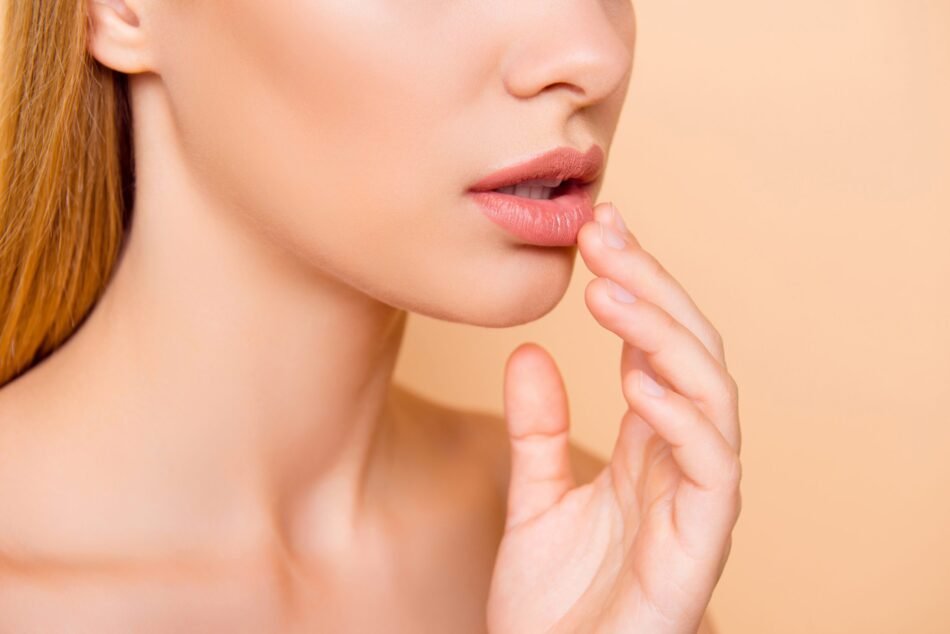
Getting a professional Smoker’s Lips Treatment in Abu Dhabi offers individuals access to specialized procedures that precisely target excess melanin deposits while encouraging cell renewal. Understanding how these modern cosmetic procedures function helps individuals make informed decisions about restoring their lip tone.
Living in sunny coastal regions like the UAE exposes delicate skin to high levels of ultraviolet radiation alongside everyday environmental stressors. Over time, these combined factors cause the fragile skin of the lips to lose its natural brightness, leading to noticeable hyperpigmentation and fine vertical lines around the mouth. Darkened lips are a very common concern for many adults, particularly those who have been exposed to tobacco smoke or chronic sun exposure. Fortunately, aesthetic dermatology has evolved to offer non-invasive techniques designed to lighten deep-seated pigment, replenish lost moisture, and restore a naturally healthy, vibrant appearance.
- Targeting Deep Melanin: Advanced cosmetic treatments reach below the surface layer of lip tissue to break down hyperpigmentation caused by heat and chemical exposure.
- Accelerating Cellular Turnover: Chemical and physical exfoliation methods remove dead, pigmented cells, allowing fresh skin cells to rise to the surface.
- Boosting Oxygenation and Circulation: Specific rejuvenating therapies improve microcirculation, restoring a healthy natural flush to dull tissues.
- Restoring Moisture and Collagen: Aesthetic interventions replenish deep hydration and stimulate collagen production to smooth fine lines surrounding the oral contour.
What Causes Darkening and Fine Lines on the Lips?
To understand how professional brightening procedures work, it is important to explore the physiological causes behind lip discoloration. The skin covering the lips is vastly different from the skin on the rest of the face; it is significantly thinner, lacks oil-producing sebaceous glands, and possesses a delicate moisture barrier. Consequently, it is exceptionally vulnerable to external toxins, heat, and sun damage.
When individuals smoke, two distinct mechanisms act on this fragile tissue. First, nicotine and thermal heat stimulate the melanocytes—the cells responsible for producing pigment—causing them to overproduce melanin as a defensive response. Second, nicotine acts as a vasoconstrictor, narrowing tiny blood vessels and reducing oxygen-rich blood flow to the tissue. Over prolonged periods, this combination shifts the vibrant natural color of the lips to shades of dark brown, purple, or gray. Additionally, the repeated physical action of pouting to inhale creates deep vertical wrinkles, commonly known as perioral lines.
- Melanocyte Overactivity: Continuous exposure to warmth and toxins forces pigment-producing cells to work in overdrive.
- Reduced Tissue Oxygenation: Restricted blood flow deprives delicate skin of vital nutrients, leading to a dull or grayish tone.
- Repetitive Muscle Contraction: Frequent puckering causes elastic fibers to break down, forming permanent vertical lines.
- Environmental Amplification: High atmospheric UV exposure accelerates photo-aging and darkens existing hyperpigmentation.
How Specialized Lightening Treatments Target Dark Pigment
Modern aesthetic procedures focus on breaking up existing dark patches while regulating future pigment production. Unlike surface remedies, professional treatments reach deep into the dermal layers where melanin is produced and stored. By delivering precise light energy or specialized active agents, dermatologists can gently shatter dense clusters of pigment without harming the surrounding delicate tissue.
As the targeted melanin fragments are broken down, the body naturally metabolizes and clears them over the following weeks. Concurrently, these treatments calm overactive melanocytes, helping to prevent the immediate return of dark patches. This dual action ensures that the lightening process is uniform, leaving the lips with an even, healthy tone across both the upper and lower lip surfaces.
- Pigment Disruption: Targeted energy breaks dense melanin deposits into micro-particles that the body naturally eliminates.
- Melanin Regulation: Active formulations inhibit the tyrosinase enzyme, slowing down excessive pigment creation.
- Uniform Tone Restoration: Interventions ensure balanced color distribution, resolving patchy dark spots.
- Long-Term Tone Stability: Regulating cellular activity helps maintain lightened skin when combined with proper sun protection.
Popular Non-Invasive Procedures for Lip Brightening
Cosmetic dermatology provides several non-invasive options tailored to the severity of lip discoloration and individual skin types. Each modality operates through unique biological mechanisms to achieve tissue rejuvenation.
Advanced Laser Lip Lightening
Laser technology is widely considered one of the most effective solutions for persistent lip darkening. Specific light wavelengths pass harmlessly through the superficial layer of skin to be selectively absorbed by dark melanin pigments. The thermal energy shatters the pigment while simultaneously encouraging the production of fresh collagen. Over a series of short, gentle sessions, the dark tones fade, revealing the lighter, underlying natural pink hues.
Medical-Grade Lip Chemical Peels
Formulated specifically for delicate mucous membranes, specialized chemical peels utilize mild acids such as lactic acid, mandelic acid, or gentle trichloroacetic acid (TCA) blends. These solutions dissolve the intercellular glue holding dead, pigmented surface cells together. As the outer micro-layer gently exfoliates over a few days, fresh, unblemished tissue is exposed, dramatically improving overall clarity and brightness.
Hydration and Nutrient Mesotherapy
Mesotherapy involves administering micro-injections of potent antioxidant cocktails, hyaluronic acid, and brightening vitamins directly into the lip mucosa. This process directly combats oxidative stress caused by environmental free radicals. Hyaluronic acid deeply hydrates dry, damaged tissue, plumping out fine smoker lines while vitamins work internally to suppress dark pigment creation.
- Laser Therapy: Uses focused light energy to target and break apart deep melanin clusters.
- Chemical Exfoliation: Employs mild, lip-safe active acids to peel away darkened surface cells.
- Mesotherapy: Delivers hydrating hyaluronic acid and nutrient complexes directly into the skin tissue.
- Combined Protocols: Practitioners often layer gentle laser sessions with hydrating mesotherapy for comprehensive results.
The Role of Collagen Stimulation in Lip Rejuvenation
Brightening dark lips involves more than just changing surface pigmentation; structural restoration plays an equally vital role. Chronic heat exposure and repeated muscle movements break down structural collagen and elastin fibers surrounding the oral area. This loss of elasticity leads to a thin, dry, and aged appearance, which causes light to reflect poorly and makes dark tones look more pronounced.
Professional brightening procedures utilize controlled thermal or micro-mechanical stimulation to trigger the body’s natural healing cascade. This process stimulates fibroblasts to synthesize fresh collagen and elastin fibers. As the collagen matrix rebuilds, the lips regain lost volume, smoothness, and firmness. Smoother skin reflects light far better, giving the lips a radiant, youthful glow alongside a lighter color.
- Fibroblast Activation: Gentle energy triggers the natural production of structural skin proteins.
- Texture Refinement: Rebuilt collagen smooths out rough patches and deep vertical lines.
- Enhanced Light Reflection: Smoother lip surfaces reflect ambient light evenly, enhancing perceived brightness.
- Volume Enhancement: Restored structural integrity gives lips a subtly plump, hydrated texture.
Maintaining Brightened Lips and Preventing Recurrence
Achieving brightened lips is a multi-step journey, but maintaining those results requires deliberate ongoing care. Because melanocytes retain a memory of overproducing pigment, unmanaged exposure to sun rays or continued contact with harsh hot smoke can trigger discoloration to return. Establishing a protective daily lip care routine is essential to preserving a luminous shade long after professional treatments are completed.
Sun protection is arguably the most crucial post-treatment step, especially in sunny climates. Applying a dedicated lip balm with broad-spectrum SPF 30 or higher prevents ultraviolet radiation from activating pigment production. Additionally, keeping lips thoroughly saturated with nourishing ointments containing ceramide and vitamin E reinforces the delicate moisture barrier, protecting skin against environmental stressors.
- Daily SPF Application: Use specialized broad-spectrum lip sunscreens to shield skin against UV-induced darkening.
- Barrier Enhancement: Apply rich, antioxidant-infused balms to seal in moisture and prevent environmental drying.
- Lifestyle Adjustments: Reducing or eliminating tobacco use stops the ongoing chemical stimulation of pigment cells.
- Gentle At-Home Care: Avoid harsh physical scrubs that cause micro-tears, opting instead for hydrating night masks.
Frequently Asked Questions about Smoker’s Lips Treatment in Abu Dhabi
How many sessions are typically required to see noticeable lip lightening?
Most individuals begin noticing a visible improvement in lip softness and tone after their initial 1 to 2 sessions. However, achieving comprehensive pigment reduction usually involves a planned series of 3 to 6 sessions spaced a few weeks apart, depending on how deeply the discoloration sits within the tissue layers.
Is the lip brightening process painful?
Professional treatments are designed with client comfort in mind. Topical numbing creams are routinely applied prior to laser or mesotherapy procedures to ensure the experience remains comfortable. Most clients describe feeling only a mild tingling sensation or gentle warming effect during the procedure.
Can dark lips return after completing aesthetic treatments?
Yes, hyperpigmentation can return if the original triggering factors are re-introduced. Continued exposure to tobacco smoke, unshielded sun exposure, or severe dehydration can reactivate melanocytes. Consistent use of SPF lip products and maintaining good hydration habits help preserve brightened results long-term.
Are aesthetic lip lightening treatments suitable for all skin tones?
Modern aesthetic devices and tailored chemical peels can be adjusted to safely treat various skin tones. Because darker skin tones have more sensitive melanocytes, practitioners carefully calibrate energy levels and active formulations to gently lighten dark spots while keeping surrounding tissue completely healthy.


