 WhatsApp Us Now

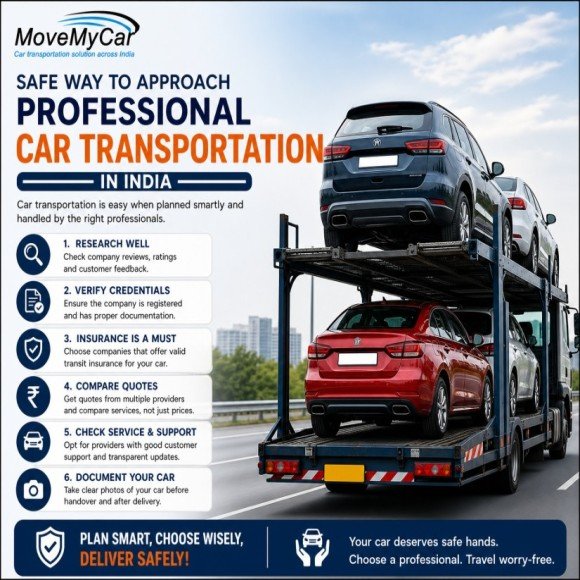
Car Transportation in India involves several operational variables, including route distance, carrier capacity, vehicle dimensions, loading requirements, and pickup accessibility. Understanding these pricing models helps vehicle owners compare quotations accurately and identify which option suits their transportation requirements
When booking long-distance vehicle transportation, customers often receive quotations based on either per-kilometer rates or fixed-route charges. Although both pricing methods cover the movement of a vehicle between locations, they calculate transportation expenses differently. Car Transportation in India involves several operational variables, including route distance, carrier capacity, vehicle dimensions, loading requirements, and pickup accessibility. Understanding these pricing models helps vehicle owners compare quotations accurately and identify which option suits their transportation requirements.
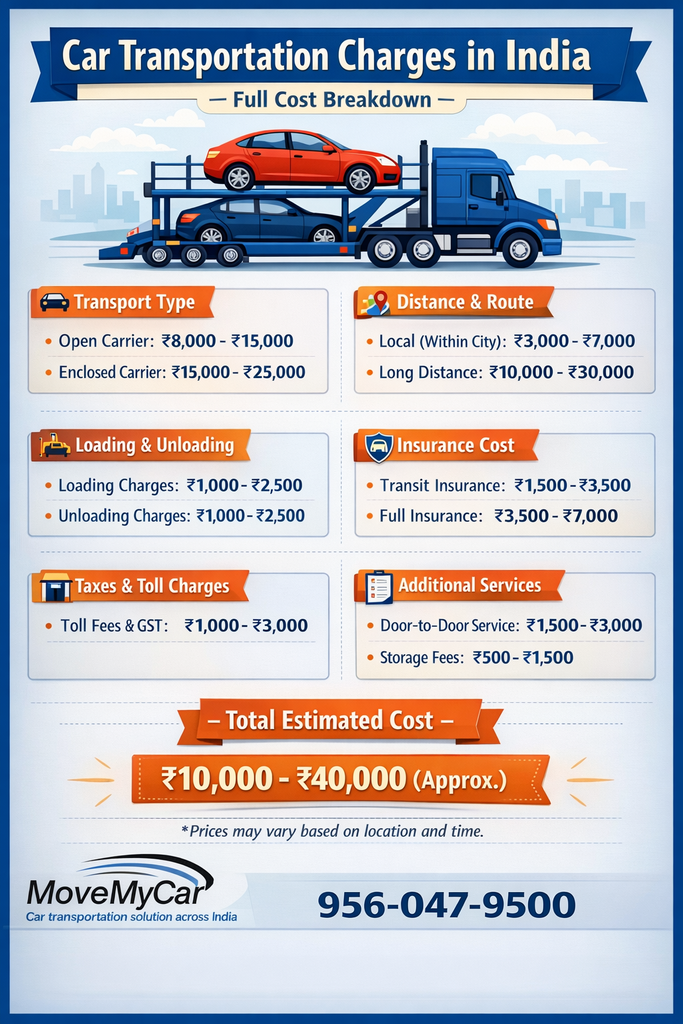
Per-Kilometer Pricing: Pay According to Distance
Under this model, the transporter calculates the base cost using the distance between pickup and delivery locations.
Basic formula: Distance × Rate per kilometer = Base transportation cost
For example, if your car needs to travel 1,000 kilometres at ₹12 per kilometre, the base cost would be ₹12,000. However, the final quotation may include additional charges for loading, insurance, tolls, or specialized handling.
Best suited for: Routes where distance-based pricing is clearly specified and the transporter provides a transparent breakdown of additional costs.
Fixed-Route Pricing: One Quote for the Journey
With fixed-route pricing, the transporter offers a predetermined amount for moving a car between two specific locations. The price may reflect route demand, carrier availability, operational expenses, and the type of service selected.
For instance, a transporter might quote ₹14,000 for a particular route instead of calculating the charge separately for every kilometre.
This approach makes budgeting easier, provided the quotation clearly explains what is included. Confirm whether pickup, delivery, insurance, and applicable taxes are covered.
Which Pricing Model Should You Choose?
| Comparison factor | Per-kilometer | Fixed-route |
| Cost calculation | Based on distance | Predetermined route price |
| Budget planning | Depends on final distance and extra fees | Easier when inclusions are confirmed |
| Main consideration | Rate per kilometre and additional charges | Services covered by the quoted amount |
Neither model is automatically cheaper. A lower per-kilometre rate can become expensive after additional fees, while a fixed quote may exclude services you need.
Check These Details Before Booking
- Route: Confirm the exact pickup and delivery addresses.
- Vehicle: Check whether the quote reflects your car’s size and transport requirements.
- Inclusions: Ask about insurance, taxes, tolls, and handling charges.
- Delivery: Confirm the estimated timeline and any conditions that could change the price.
- Documentation: Request a written quotation detailing the agreed charges.
Conclusion
Before comparing car transportation charges in India, evaluate the complete quotation rather than focusing only on the headline price. A transparent breakdown, clearly defined services, and written terms will help you choose a suitable transporter while keeping your budget under control.


