 WhatsApp Us Now

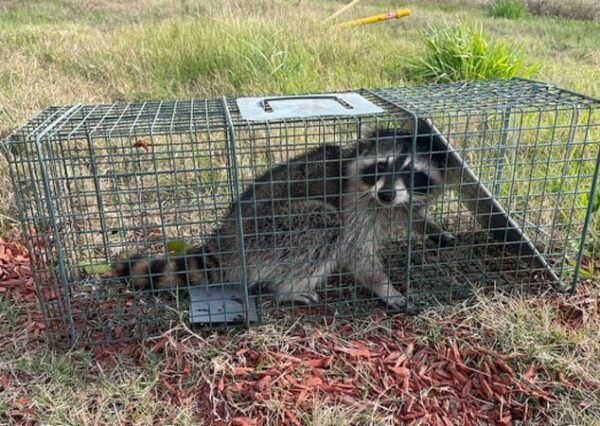
It starts with a thump in the ceiling at 2 a.m. Maybe it is a branch. Maybe it is the wind. Then it happens again the next night, and a faint musty smell drifts down the hallway. Homeowners tend to wait at this stage, hoping the problem leaves on its own. Wildlife rarely does. This checklist helps you decide when a noise is just a noise and when it is time to call College Station Wildlife Control.
Why Waiting Costs More
Animals move into homes for the same reasons people do: shelter, warmth, and safety. An attic is a dry, quiet den, and fall is when many species start hunting for winter quarters. Once an animal settles in, the damage compounds. Squirrels gnaw through soffits, fascia boards, and wiring. Raccoons shred insulation and leave waste that can spread disease. Bat droppings and urine build up over time and can ruin insulation and ceiling material.
A gap you could patch in an afternoon becomes a repair bill that grows every week.
The Checklist: Nine Signs It Is Time to Call
Compare this list with what you see, hear, and smell around your property.
- Scratching or thumping overhead. Daytime scratching often points to squirrels, while heavy thumps at night suggest raccoons or possums.
- Droppings or strong odors. Piles in the attic, garage, or crawl space carry health risks and soak into insulation. A sharp or musty smell means waste is collecting somewhere out of sight.
- Chewed wood or wiring. Gnawed soffits, fascia boards, or siding mean an animal is making a way in or already has. Chewed wires add the risk of electrical trouble.
- Damaged vents, screens, or rooflines. Bent vent covers, lifted shingles, and gaps near the eaves are open doors. Where one animal got in, others follow.
- Fresh digging. Torn up lawn, holes under decks and sheds, and raised tunnels point to armadillos, skunks, moles, or gophers. Digging near a foundation can undermine it and damage buried lines.
- A snake in the house or garage. Snakes slip through small gaps, often chasing mice. Texas is home to venomous species, so nobody should try to handle one.
- Signs of nesting or young. Babies change everything. Removing an adult while its young stay behind leaves orphans and a worse smell later. A professional can plan around that.
- Bat staining or roosting. Bats do not chew or make much noise, so the first clue is often staining or droppings. Young bats cannot fly during part of the summer, so a trained team times exclusion around that season.
- A repeat visitor. If an animal returns after you trapped, sealed, or repelled it yourself, you missed an entry point.
When You Can Wait
Not every sighting is an emergency. An armadillo crossing the yard at night, a squirrel on the fence, or a bird on the porch rarely needs a professional. The line is crossed when an animal is inside the structure, damaging property, nesting, or putting people and pets at risk.
What a Professional Visit Involves
A good visit starts with inspection, not traps. The technician identifies the animal from droppings, tracks, and damage, then hunts for every entry point. The plan depends on the species and the site. Tools include habitat changes, exclusion work, repellents, and humane trapping.
Backyard Comfort & Pest Control, for example, pairs removal with sealing so one animal is not simply replaced by the next. Done properly, College Station Wildlife Control ends with a closed structure, not just an empty trap.
Why Exclusion Beats Removal Alone
Trapping solves today’s problem. Exclusion solves next month’s. Fencing deters armadillos. Sealed entry points keep squirrels out. Bats are excluded once they have left, and the gaps are closed behind them. Habitat changes help too: trimmed branches, secured trash cans, and pet food brought indoors all reduce the invitation.
Stay Safe Until Help Arrives
Wild animals bite, scratch, and carry parasites and disease. Do not corner an animal. Do not block its only exit if young may be inside. Wear protection if you must clean up droppings, and keep children and pets away from the area. Leave the handling to people trained for it.
Frequently Asked Questions
Is wildlife removal humane?
Reputable providers use humane trapping and exclusion methods that remove animals without unnecessary harm.
How do I know which animal is in my attic or yard?
Scratching or chewing sounds, droppings, dug up soil, and damaged entry points give clues. An inspection confirms the species and the right removal method.
Will the animal come back after removal?
Not if every entry point is properly sealed. That is why exclusion matters as much as removal.
Which animals can a wildlife professional handle?
The list includes armadillos, birds, snakes, raccoons, possums, skunks, squirrels, moles, gophers, and bats.
Can I get same day service?
Often, depending on scheduling and how urgent the situation is.
Final Thoughts
A strange noise, a chewed vent, a stray smell: each is small until it is not. Act when an animal is inside, damaging property, or nesting. Choose College Station Wildlife Control that inspects first, removes humanely, and seals every entry. Backyard Comfort & Pest Control, a family owned company based in College Station, follows that approach across Bryan and the Brazos Valley.


