 WhatsApp Us Now

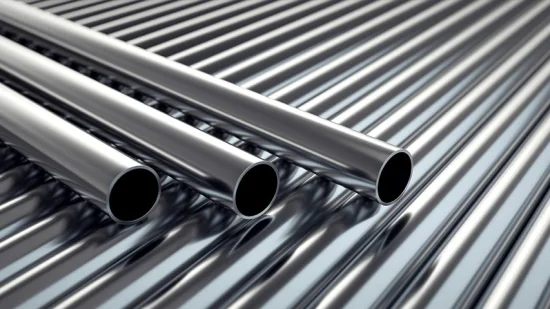
Industrial piping systems work under demanding conditions, so choosing the right material is critical. Alloy 20 tubes and stainless steel tubes are both used in chemical, petrochemical, pharmaceutical, and general industrial applications. However, they differ in corrosion resistance, strength, heat tolerance, and cost. This comparison highlights the key differences between the two materials to help engineers and decision-makers choose the best option for their specific operating environment and performance requirements.
Understanding Alloy 20 Tubes and Stainless Steel Tubes
What are Alloy 20 Tubes?
Alloy 20 is an austenitic alloy. It contains iron, nickel, and chromium, along with deliberate additions of copper and molybdenum. Metallurgists developed this specific material to survive highly corrosive industrial environments. It was originally designed to handle sulfuric acid. Typical industries using alloy 20 tubes include chemical manufacturing, synthetic rubber production, explosives, and plastics.
What are Stainless Steel Tubes?
Stainless steel forms the baseline for industrial tubing. The most common grades are 304 and 316. These grades contain iron, carbon, and a minimum of 10.5 percent chromium. The chromium creates a passive oxide layer on the surface that resists general corrosion. Stainless steel remains a widely used tubing material because it is structurally sound, available everywhere, and affordable for standard industrial applications.
Chemical Composition: What Sets Alloy 20 Apart?
Alloy 20 tubes rely on heavily modified chemistry. They contain 32 to 38 percent nickel and 19 to 21 percent chromium. They also feature 2 to 3 percent molybdenum and 3 to 4 percent copper. Columbium is added to stabilize the carbon content.
Standard stainless steel 316 has 10 to 14 percent nickel and 16 to 18 percent chromium. The composition differences dictate how these materials survive on a plant floor. The extra nickel and copper in Alloy 20 change the physical behavior of the metal. Material chemistry directly influences performance in industrial environments. Stainless steel handles water and mild organics. Alloy 20 handles severe chemical degradation.
Corrosion Resistance Comparison in Industrial Applications
Performance in Acidic Processing Environments
Sulfuric acid destroys standard metals rapidly. Alloy 20 resists boiling sulfuric acid up to 20 to 40 percent concentration. It also handles phosphoric acid and nitric acid well. Stainless steel 316 will degrade and fail under those same parameters. If your chemical processing operations involve aggressive acids, Alloy 20 is the requirement.
Protection Against Pitting and Crevice Corrosion
Chlorides can cause pitting and crevice corrosion, especially under gaskets, flange joints, and deposits. Stainless steel 316 resists mild exposure, but high chloride levels can damage standard grades. Alloy 20 offers better resistance because of its molybdenum and nickel content.
Stress Corrosion Cracking Resistance
High temperatures combined with chlorides lead to stress corrosion cracking. The material cracks from the inside out under tension. The operating conditions impact the longevity of stainless steel tubes heavily. Alloy 20 performs better. The high nickel content blocks stress corrosion cracking under demanding service conditions.
Mechanical Properties and Structural Performance
Alloy 20 tubes have a tensile strength around 551 MPa. The yield strength sits near 241 MPa. Stainless steel 316 has a similar tensile strength of 515 MPa and a yield strength of 205 MPa. Both materials deliver strong physical performance under pressure.
The mechanical capabilities of stainless steel tubes meet the criteria for most standard pressure vessels and fluid lines. Standard stainless steel tubes handle baseline structural needs without issue. Engineers must balance durability, pressure resistance, and operational reliability. Often, the chemical environment dictates the choice more than the baseline structural strength.
Heat Resistance and Temperature Handling Capabilities
Process fluids and metals behave differently when heated. Alloy 20 tubes stay stable and retain corrosion resistance at elevated temperatures. Stainless steel tubing, including Grade 316, also performs well, but heat can speed up corrosion and limit material performance in process equipment.
Fabrication, Welding, and Installation Considerations
Weldability and Manufacturing Flexibility
Fabrication requirements dictate installation schedules. Stainless steel tubes are standard in fabrication shops. Welders know how to cut, form, and weld them.
Alloy 20 is also highly weldable. It does not require post-weld heat treatment. The columbium in the alloy prevents carbide precipitation during welding. This stops intergranular corrosion at the weld seams. This gives you manufacturing flexibility, but you must use the correct filler metals.
Installation and Maintenance Factors
The physical installation practices are similar for both materials. The difference lies in the maintenance requirements over the service life of the tubing systems. Using 316 stainless in a heavy acid line means constant inspections and frequent pipe replacements. Alloy 20 installed in that same line drastically reduces maintenance factors. It stays in service longer.
Industrial Applications: Where Each Material Performs Best
Applications Suited for Alloy 20 Tubes
Chemical processing plants buy this material constantly. Petrochemical facilities use it for harsh extraction processes. Pharmaceutical manufacturing systems require it for mixing aggressive compounds and solvents. Acid handling and storage operations are the primary targets for this alloy.
Applications Commonly Using Stainless Steel Tubes
Food processing facilities run primarily on 304 and 316 stainless. Water treatment systems use massive amounts of it. You find it in general industrial piping networks everywhere. Structural and utility applications use standard stainless to avoid the high costs of specialty metals.
Cost Comparison and Lifecycle Value
Initial material investment considerations favor stainless steel. It is a baseline commodity metal. Alloy 20 costs significantly more upfront because nickel and copper are expensive raw materials.
You cannot base decisions solely on the purchase order. You must evaluate the total cost of ownership for industrial projects. Calculate the maintenance and replacement costs over time. A stockist like Silver Tubes frequently sees contractors upgrade to Alloy 20 because the cost of plant downtime exceeds the initial material premium.
Key Factors to Evaluate Before Choosing Between Alloy 20 and Stainless Steel Tubes
Operating Environment and Chemical Exposure
You need an exact understanding of your process conditions. Know the acids, the trace chemicals, and the pH levels. Trace elements like a 1 percent chloride spike will destroy the wrong pipe. You have to match material performance to service requirements exactly.
Temperature and Pressure Requirements
Review the operating demands. Temperature spikes compromise a material that was only specified for room-temperature service. Long-term performance considerations require you to plan for the worst-case pressure and heat scenarios.
Budget and Project Objectives
Every facility operates on a budget. Balancing performance requirements with cost considerations is necessary. Determine the most practical solution for specific applications. Not every utility water line needs premium alloys. Critical acid lines cannot afford low-quality substitutes.
Common Material Selection Mistakes in Industrial Tubing Systems
A common mistake when working with industrial tubing is the risk of corrosion. Some buyers select standard grades based on appearance or initial price alone, but this may lead to failure at early stages in corrosive environments. The right material will be based on long-term performance, maintenance requirements and total lifecycle cost, not just initial savings.
Conclusion
The primary differences between alloy 20 tubes and stainless steel tubes have been covered in this blog. They differ heavily in terms of corrosion resistance, mechanical properties, fabrication, applications, and lifecycle costs. Stainless steel works for the bulk of standard industrial needs. Alloy 20 handles severe acidic and chloride environments.
The best material choice is entirely dependent on your specific operating conditions, chemical exposure, temperature requirements and long term performance expectations.
Your plant uptime depends on the right tubing material. The right choice of materials will increase the reliability, efficiency and service life of critical industrial systems. Buy the stuff the process fluid needs.


