 WhatsApp Us Now

Structural integrity is essential for maintaining the safety, durability, and performance of industrial structures and equipment. In sectors such as manufacturing, construction, energy, and infrastructure, materials and components must withstand demanding operating conditions. Over time, stress, corrosion, vibration, and environmental exposure can contribute to material deterioration. NDT inspection services help businesses evaluate component conditions and identify potential defects without damaging the materials being inspected.
Understanding Structural Integrity in Industry
Structural integrity refers to the ability of a structure or component to withstand its intended loads and operating conditions without experiencing unacceptable damage or failure. Industrial structures, welded assemblies, storage systems, and supporting components require appropriate inspection and maintenance to remain reliable throughout their service life.
Even a small defect can become a concern when it develops in a critical location or grows under repeated loading. Regular inspections help organizations gather information about material condition and identify areas that may require further evaluation. Non-destructive testing can form an important part of a broader structural integrity management program.
Detecting Hidden Material Defects
Some material defects are difficult to identify through visual examination alone. Cracks, internal discontinuities, and other imperfections may exist beneath a component’s surface or within welded joints. If these defects remain undetected, they may affect the performance and service life of the component.
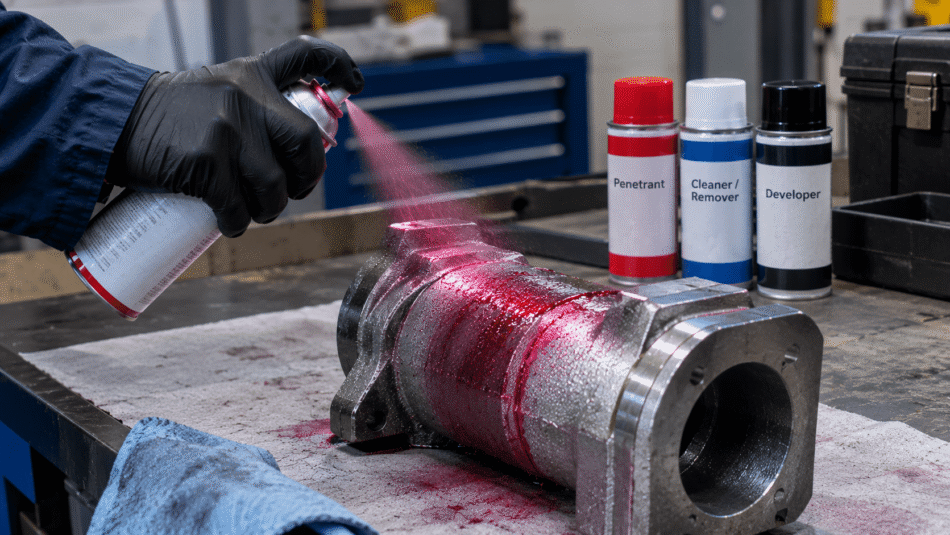
NDT inspection services provide different techniques for examining materials according to specific inspection requirements. Ultrasonic testing can help evaluate internal material conditions, while radiographic testing may reveal internal discontinuities in suitable components. Magnetic particle testing can identify certain surface and near-surface flaws in ferromagnetic materials. Liquid penetrant testing can help reveal surface-breaking defects in suitable nonporous materials.
Each technique has specific strengths and limitations. Selecting the appropriate method depends on the material, component geometry, possible defect types, accessibility, and applicable inspection standards. Using a suitable technique helps produce meaningful results for evaluating structural condition.
Improving Weld Inspection and Quality Assurance
Welded connections are often essential to the strength and performance of industrial structures. Poor weld quality or certain discontinuities may affect a connection’s ability to perform as intended, particularly in applications involving repeated loads, pressure, or challenging environmental conditions.
Non-destructive testing can support weld quality assurance during fabrication, installation, and maintenance. Inspection results help determine whether identified indications require further assessment against the applicable acceptance criteria. This allows businesses to address relevant concerns before components move into subsequent project stages or return to service.
A consistent weld inspection process also supports documentation and traceability. Maintaining clear records of inspection procedures and findings helps organizations review quality requirements and make informed decisions about repairs or additional testing.
Supporting Preventive Maintenance
Preventive maintenance helps businesses manage equipment and structural conditions before problems cause major operational disruption. Instead of relying entirely on repairs after damage becomes apparent, organizations can use inspection information to plan maintenance activities and prioritize areas of concern.
NDT inspection services can contribute to preventive maintenance by identifying potential defects and providing information about material condition. Depending on the findings, businesses may decide to monitor a component, arrange further engineering evaluation, conduct repairs, or consider replacement.
Comparing inspection results over time can also help reveal changes in condition. However, inspection findings should be assessed alongside operating history, design requirements, loading conditions, and other relevant engineering information.
Reducing Industrial Risks and Downtime
Structural defects can lead to unplanned repairs, production interruptions, and additional operating costs. In certain applications, structural damage may also introduce risks to workers, nearby equipment, or the environment.
A well-designed inspection program helps businesses understand potential integrity concerns and take appropriate action. By identifying relevant defects and supporting maintenance planning, NDT inspection services can contribute to better risk management and more dependable industrial operations.
Testing does not eliminate every possible risk, and no single inspection method can detect all defects under all conditions. For this reason, inspections should be selected and performed according to suitable procedures and integrated with other safety, maintenance, and engineering practices.
Choosing the Right NDT Inspection Provider
Selecting an inspection provider requires consideration of the structure or component being examined, the applicable standards, the required testing methods, and the qualifications of the personnel performing the work. Businesses should also evaluate reporting quality, technical communication, and the provider’s ability to address the project’s specific inspection requirements.
Clear inspection reports are particularly important because they help maintenance teams and engineers understand findings and determine whether additional action is necessary. A suitable inspection approach should reflect the component’s intended use and the potential consequences of a defect.
Conclusion
Maintaining structural integrity requires suitable inspection methods, reliable documentation, and timely maintenance decisions. NDT inspection services help businesses evaluate materials and welded components without damaging the inspected items, supporting quality assurance and structural condition assessment.
By incorporating appropriate non-destructive testing into an ongoing inspection program, organizations can improve their understanding of potential defects, plan maintenance more effectively, and support the long-term reliability of industrial structures and equipment.