 WhatsApp Us Now

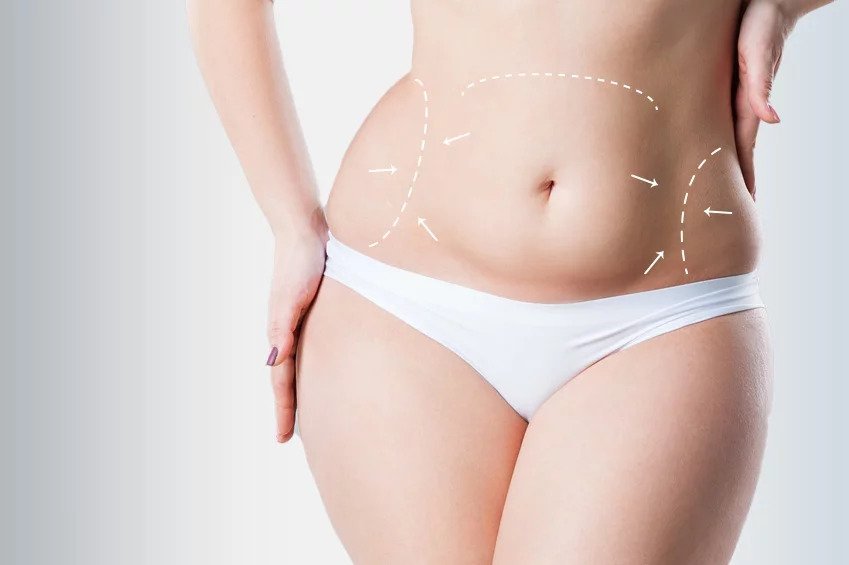
Pregnancy brings many changes to the body, and a C-section can leave some women with concerns about their abdominal appearance long after delivery. You may notice loose skin around your lower abdomen, a small pouch above the C-section scar, or changes in the shape of your waist that do not improve with exercise alone.
If you are considering a tummy tuck after childbirth, it is important to understand what surgery can and cannot address. For women researching Tummy tuck in Islamabad, knowing the potential benefits, recovery requirements, costs, and timing considerations can help make the decision more informed.
What Is a Tummy Tuck After a C-Section?
A tummy tuck, medically known as abdominoplasty, is a surgical procedure that removes excess abdominal skin and may tighten separated abdominal muscles when appropriate. After pregnancy, these changes can contribute to a protruding abdomen or loose skin that remains despite weight management.
Some women also notice a fold of skin around their C-section scar. This may occur because of changes in skin elasticity, scar tissue, and the way the abdominal tissues heal after pregnancy and surgery.
A tummy tuck is different from a C-section scar revision. Scar revision focuses on improving the appearance of a scar, while a tummy tuck addresses excess skin and abdominal contour. Depending on the patient’s needs, the surgeon may be able to address the scar as part of the overall surgical plan.
What Are the Benefits of a Tummy Tuck After a C-Section?
One potential benefit is the removal of loose skin that remains after pregnancy. When excess tissue is responsible for a lower abdominal fold, surgery may create a smoother contour and improve how clothing fits.
A tummy tuck may also include tightening separated abdominal muscles, a condition known as diastasis recti, when clinically appropriate. This can improve abdominal firmness and contour, although surgery should not be presented as a guaranteed solution for every core-strength or back-pain concern.
The aim is to improve abdominal shape while maintaining realistic expectations. Some patients feel more comfortable in fitted clothing after surgery, but individual results vary and scars will remain.
For women with a noticeable pouch above the C-section scar, removing selected excess skin may help reduce the fold. However, the result depends on skin quality, the amount of excess tissue, existing scar position, and the surgical technique.
When Is It Safe to Consider a Tummy Tuck After a C-Section?
Timing is one of the most important considerations. The body needs sufficient time to recover from pregnancy and delivery, and the abdominal tissues may continue changing for months after childbirth.
A tummy tuck is elective surgery and should not be rushed while the C-section incision or deeper tissues are still healing. Many surgeons advise waiting at least six months after delivery, and sometimes longer, depending on recovery, overall health, and whether breastfeeding or other factors affect surgical planning.
There is no single timeline that is right for everyone. Your obstetrician and plastic surgeon can assess whether healing is complete and whether you are medically ready for another operation.
It is also worth considering future pregnancies. Another pregnancy can stretch the abdominal skin and muscles again, potentially affecting the results. If you plan to have more children, discussing the timing with your surgeon may help you decide whether waiting is preferable.
Who May Be a Suitable Candidate?
Women who have recovered from a C-section and continue to experience loose abdominal skin may be candidates for a tummy tuck. Suitability depends on overall health, weight stability, skin condition, abdominal muscle separation, and personal goals.
A consultation for Tummy tuck in Islamabad should include a review of the C-section recovery, any previous abdominal surgery, medications, medical conditions, and plans for future pregnancy. The surgeon should also examine the scar and assess whether the concern is caused by loose skin, fat deposits, muscle separation, or a combination of factors.
Being close to a stable weight is generally helpful before surgery. A tummy tuck is not a weight-loss treatment, and significant weight changes afterwards can affect the result.
Patients with certain medical conditions or factors that increase surgical risk may need further assessment before proceeding. Smoking and nicotine use, for example, can interfere with wound healing and should be discussed openly with the treating team.
Tummy Tuck After C-Section: Important Things to Consider
Before choosing surgery, consider how it may fit into your health, family plans, finances, and daily responsibilities.
- Complete healing: Make sure your C-section incision and deeper tissues have healed, and obtain medical clearance where appropriate.
- Future pregnancy: Another pregnancy may alter the abdominal contour and affect surgical results.
- Weight stability: Significant weight changes can affect the outcome, so discuss your current and planned weight goals.
- Scar expectations: A tummy tuck usually creates a longer lower-abdominal scar, even if the existing C-section scar can be incorporated into the incision.
- Recovery support: Arrange help with childcare, household tasks, and transport, particularly during the early recovery period.
- Surgical risks: Discuss bleeding, infection, fluid accumulation, blood clots, wound-healing problems, and the possibility of further treatment.
A good decision involves understanding the trade-offs, not just the expected cosmetic improvement. Your surgeon should answer your questions clearly and explain the alternatives before you commit to surgery.
How Is the Procedure Performed?
The surgical plan depends on the amount of loose skin, the condition of the abdominal muscles, and the location of the existing C-section scar. A full tummy tuck generally involves an incision across the lower abdomen, removal of excess skin, and possible repair of separated abdominal muscles.
In selected cases, the surgeon may be able to place the new incision low enough to keep the resulting scar beneath underwear or swimwear. However, scar placement and length depend on anatomy and the amount of skin that needs to be removed.
Anaesthesia and the appropriate surgical facility are selected according to the procedure and the patient’s health. Your surgeon should explain the proposed technique, expected scars, and risks before surgery.
Recovery After a Tummy Tuck
Recovery after a tummy tuck requires patience and preparation. Swelling, bruising, soreness, and tightness across the abdomen are common during the early healing period, and some patients temporarily find it uncomfortable to stand completely upright.
Your surgeon may recommend a compression garment, medication, wound care, and follow-up appointments. Heavy lifting, strenuous exercise, and abdominal workouts generally need to be avoided until the surgeon confirms they are safe.
If you have young children, arrange help with childcare because lifting a child can place pressure on healing abdominal tissues. Do not rush your recovery to return to normal responsibilities.
Seek prompt medical advice if you develop fever, worsening pain, increasing redness, heavy bleeding, or concerning wound changes. Sudden chest pain or difficulty breathing requires emergency medical attention.
How Much Does a Tummy Tuck Cost in Islamabad?
The cost depends on the extent of surgery, the surgeon’s fee, anaesthesia, hospital charges, and postoperative care. A procedure that includes extensive skin removal and muscle repair may involve different resources from a more limited operation.
When comparing Tummy tuck in Islamabad options, request a written quotation that explains what is included. Ask about consultations, preoperative tests, medication, compression garments, follow-up visits, and any additional facility charges.
Choose transparent pricing and appropriate surgical care over promotional offers alone. Verify the surgeon’s qualifications and ask where the procedure will take place before making a booking.
Frequently Asked Questions
Can a tummy tuck remove my C-section pouch?
It may help if the pouch is caused by excess skin or abdominal tissue that can be addressed surgically. A clinical assessment is needed because fat, scar tissue, and muscle separation can contribute to the appearance.
Can a tummy tuck be performed during a C-section?
Combining a tummy tuck with a C-section is generally not recommended as a routine cosmetic approach because childbirth and recovery introduce additional medical considerations. Discuss any plans for future surgery with your obstetrician and a qualified plastic surgeon.
Will my C-section scar disappear after a tummy tuck?
No. The existing scar may be incorporated into the new incision in some cases, but the procedure leaves a surgical scar. Its appearance varies with technique and individual healing.
Conclusion
A tummy tuck after a C-section may help selected women address loose abdominal skin, a persistent lower-belly fold, and certain cases of muscle separation. Before choosing Tummy tuck in Islamabad, allow enough time for recovery, consider future pregnancy plans, and discuss the risks and realistic results with a qualified surgeon. Dynamic Clinic PK may be considered for a body-contouring consultation; ask about the team’s relevant expertise, verify the treating surgeon’s qualifications and any claimed board certification, and discuss which advanced techniques are appropriate for your circumstances.
Meta Description: Considering a Tummy tuck in Islamabad after a C-section? Learn about benefits, timing, recovery, costs, and important surgical considerations


