 WhatsApp Us Now

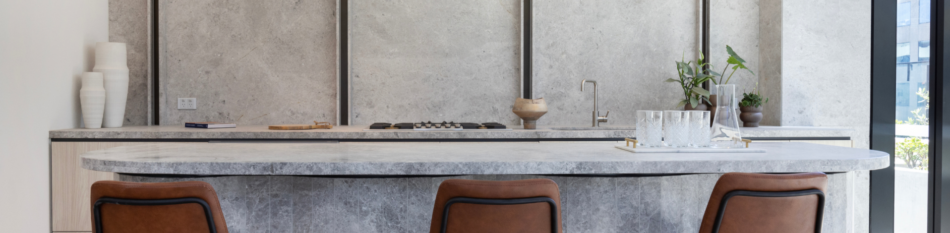
Choosing the right materials is one of the most important decisions in any architectural project. From residential homes and luxury apartments to commercial buildings and hospitality spaces, surfaces influence the appearance, functionality, and long-term value of a property. Architects need materials that combine visual appeal with durability, practical performance, and design flexibility.
This is where a trusted architectural stone supplier in Australia becomes an important project partner. The right supplier helps architects explore suitable materials, compare finishes, and select surfaces that complement their design vision.
Forma Living offers a considered selection of architectural surfaces, including natural stone, porcelain, and innovative large-format materials. With a focus on contemporary design and material quality, Forma Living supports architects, interior designers, builders, and homeowners looking to create distinctive spaces.
Whether the project involves a sophisticated kitchen, a modern commercial interior, or an architectural feature wall, choosing the right surface can make a significant difference to the finished result.
Why Architects Need a Reliable Stone Supplier
Architectural projects require more than attractive materials. Every surface must suit the project’s design requirements, intended use, installation conditions, and maintenance expectations.
Working with a reliable stone supplier helps architects make informed decisions throughout the material selection process. Instead of choosing surfaces based on appearance alone, professionals can consider the practical characteristics of each option.
A dependable supplier can help architects explore different colours, textures, patterns, sizes, and finishes. This makes it easier to coordinate surfaces with cabinetry, flooring, lighting, fixtures, and other architectural elements.
Material consistency is another important consideration. Large projects may require several slabs or multiple surface applications, making it essential to plan the selection carefully. Natural stone has unique variations, while manufactured surfaces may offer more controlled patterns and colour consistency.
By selecting an experienced architectural stone supplier, architects can approach these decisions with greater clarity and develop a material palette that supports the overall design.
Forma Living: Architectural Surfaces for Contemporary Spaces
Forma Living provides a range of surface options for projects where aesthetics and functionality need to work together. Its collection includes natural stone, porcelain surfaces, and Laminam products, offering architects flexibility when developing different interior and architectural concepts.
Each material brings its own character to a space. Natural stone introduces organic patterns and distinctive veining, while porcelain offers versatility across a variety of applications. Large-format surfaces can also help create a more continuous appearance, reducing the visual interruption caused by multiple joints.
For architects, access to different surface categories makes it easier to find materials that suit a project’s architectural style, practical requirements, and budget considerations.
Forma Living can be a useful starting point for professionals exploring premium surfaces for kitchens, bathrooms, living areas, commercial interiors, and selected architectural applications.
Natural Stone: Bringing Authentic Character to Architecture
Natural stone remains a popular choice for architects because of its distinctive appearance and connection to natural materials. Every slab has its own combination of colour, texture, and veining, making it suitable for projects that require an individual finish.
Marble, granite, and quartzite are among the natural stones commonly considered for residential and commercial projects. However, their characteristics differ, so choosing the right material depends on how the surface will be used.
Marble is valued for its elegant veining and timeless appearance. It is often selected for feature walls, bathroom vanities, decorative surfaces, and carefully designed kitchen applications. Since marble can be sensitive to acids and staining, appropriate sealing, care, and maintenance are important.
Granite is known for its strength and is frequently considered for kitchen benchtops and other demanding applications. Its appearance varies depending on the particular stone, allowing architects to choose between subtle patterns and more pronounced designs.
Quartzite offers natural patterns and a distinctive visual character. Some varieties are suitable for benchtops and feature surfaces, although the performance of a specific stone should always be confirmed before selection.
When working with a natural stone supplier, architects should review the actual slab wherever possible. This helps them understand the material’s natural variations and decide how the pattern will work across the completed installation.
Porcelain Surfaces for Modern Architectural Projects
Porcelain has become an important option in contemporary architecture because it offers a wide range of colours, patterns, and finishes. It can reproduce the appearance of natural stone, concrete, and other materials while providing different practical characteristics.
Architects often consider porcelain for kitchens, bathrooms, wall cladding, splashbacks, and selected commercial interiors. Depending on the product specification, porcelain may offer resistance to everyday staining, moisture, and surface wear.
Large-format porcelain can be particularly useful when a design calls for a clean, uninterrupted appearance. Using larger panels can reduce visible joints and create visual continuity between different parts of an interior.
For example, a porcelain surface with a marble-inspired pattern can coordinate a kitchen island with a splashback. Similarly, a concrete-look finish can complement minimalist interiors, while a subtle stone-inspired surface may suit a calm, understated bathroom.
Forma Living’s porcelain collection gives architects options to explore different surface styles and develop material combinations that suit their projects.
As with any architectural product, the manufacturer’s technical documentation should be checked to confirm suitability for the intended application, installation method, and environmental conditions.
Laminam: Exploring Large-Format Surface Design
Large-format surfaces are increasingly relevant to architects seeking a contemporary appearance with fewer visible interruptions. Laminam offers architectural surface solutions that can support a variety of interior design concepts.
Depending on the specific product and its technical specifications, large-format surfaces may be considered for wall applications, furniture elements, kitchen designs, and other architectural uses.
One advantage of large-format materials is the opportunity to create a more continuous visual effect. This can be especially valuable in modern interiors, where simple lines, balanced proportions, and carefully coordinated finishes play an important role.
Architects can use these surfaces to create feature walls, complement cabinetry, or establish a consistent material language throughout an interior.
When selecting a large-format product, it is important to consider slab dimensions, thickness, edge details, handling requirements, substrate preparation, and installation expertise. These factors influence both the finished appearance and the practical success of the project.
Forma Living’s Laminam range provides an option for professionals exploring contemporary surface solutions for architectural and interior applications.
How to Choose the Right Architectural Stone Supplier in Australia
Finding a suitable architectural stone supplier involves evaluating several factors beyond the appearance of the available materials. Architects need a supplier whose product range and service approach align with the requirements of their projects.
1. Explore the Range of Materials
A useful supplier should offer access to surface options that suit different design directions and functional needs. Natural stone, porcelain, and large-format materials each offer distinct advantages.
Having different categories to explore can make it easier to compare finishes and identify suitable alternatives when project requirements change.
2. Consider Quality and Material Specifications
Material quality should be assessed alongside technical performance. Architects should review product specifications, relevant test information, finish options, and recommended applications.
For natural stone, inspecting slab variation and understanding the material’s maintenance requirements can help avoid unexpected results.
For porcelain and other manufactured surfaces, the manufacturer’s documentation should guide decisions about installation and use.
3. Review Samples and Slabs
Images are helpful during the initial design stage, but they may not accurately represent the material’s actual colour, texture, or pattern.
Where possible, architects should examine physical samples or full slabs under appropriate lighting conditions. This is particularly important when coordinating surfaces with timber, metal, cabinetry, and other finishes.
4. Check Availability and Project Timelines
Material selection needs to align with the construction schedule. Before finalising a specification, confirm product availability, lead times, quantities, and delivery arrangements.
For projects involving multiple slabs or repeat orders, checking batch consistency and reserving suitable material early can help reduce delays.
5. Understand Installation Requirements
Even an excellent surface can produce disappointing results if it is installed incorrectly. Different materials may require specialised cutting, handling, support, sealing, or fixing methods.
Architects should coordinate with qualified fabricators and installers to ensure the selected product is appropriate for the intended application.
By evaluating these factors, professionals can choose a stone supplier for architects that supports both design ambitions and practical project delivery.
Applications of Architectural Stone Across Different Projects
Architectural surfaces can influence the atmosphere and functionality of many different spaces. The right choice depends on the project’s purpose, style, and performance requirements.
Residential Kitchens
Kitchen benchtops and splashbacks often become major visual features. Natural stone can introduce unique patterns, while porcelain can provide a coordinated finish across benchtops and vertical surfaces where the selected product is approved for those uses.
Architects should consider cleaning requirements, heat exposure, edge design, and the expected level of daily use.
Bathrooms and Wet Areas
Bathrooms benefit from surfaces that create a balanced and cohesive appearance. Porcelain and selected natural stones can be used for vanities, walls, and other applications, subject to product suitability and correct waterproofing.
Slip resistance is particularly important when selecting materials for bathroom floors and shower areas.
Commercial Interiors
Offices, retail stores, restaurants, and hospitality spaces often require surfaces that combine a strong visual identity with practical maintenance.
Porcelain and selected natural stones can help establish a distinctive design language. Product durability, cleaning procedures, traffic levels, and replacement considerations should all be assessed before specification.
Feature Walls and Living Spaces
Feature walls offer opportunities to introduce texture, colour, and material contrast. Natural stone can provide an organic focal point, while large-format porcelain can create a more uniform and contemporary effect.
Coordinating these surfaces with lighting and surrounding materials helps achieve a balanced result.
Sustainable Material Selection and Long-Term Value
Sustainability is an increasingly important consideration in architecture. Choosing surfaces should involve more than evaluating their initial appearance or purchase price.
Architects can consider product lifespan, maintenance needs, responsible sourcing information, transport distances, installation waste, and the potential for future repairs or replacement.
Natural stone may provide long service life when correctly selected and maintained. Porcelain can also offer long-term performance when the product is suitable for its intended use and installed according to manufacturer guidance.
However, sustainability depends on the specific product and its complete life cycle. Environmental declarations, sourcing documentation, and manufacturer information can help professionals make better-informed decisions.
Selecting a material that meets the project’s practical requirements can support durability and reduce the likelihood of premature replacement.
Why Forma Living Is Worth Considering for Architectural Surfaces
Architects and designers benefit from having a considered range of materials available when developing a project. Different spaces require different surface characteristics, and the ability to compare natural stone, porcelain, and large-format options can support more thoughtful design decisions.
Forma Living brings together surface categories that suit a range of contemporary interiors and architectural concepts. Its collection provides a starting point for professionals looking for distinctive finishes for residential, commercial, and design-led projects.
When evaluating Forma Living for a specific project, architects can review the available products, compare samples, confirm technical specifications, and discuss material requirements before finalising their selection.
This approach helps ensure that the chosen surface aligns with the intended design, practical needs, and installation conditions.
Conclusion
Selecting the right surface is an essential part of creating successful architectural spaces. From the distinctive patterns of natural stone to the versatility of porcelain and the clean appearance of large-format materials, each option offers different opportunities for architects and designers.
A trusted architectural stone supplier in Australia can make the selection process more manageable by helping professionals explore materials, understand product specifications, and plan for project requirements.
Forma Living offers natural stone, porcelain, and Laminam surface options for professionals seeking materials for contemporary architectural and interior projects. By considering design, durability, maintenance, availability, and installation requirements together, architects can choose surfaces that support their vision and perform well over time.
For architects, builders, and interior designers planning an upcoming project, exploring Forma Living’s surface collections is a practical first step towards finding materials that bring their design concepts to life.


