 WhatsApp Us Now

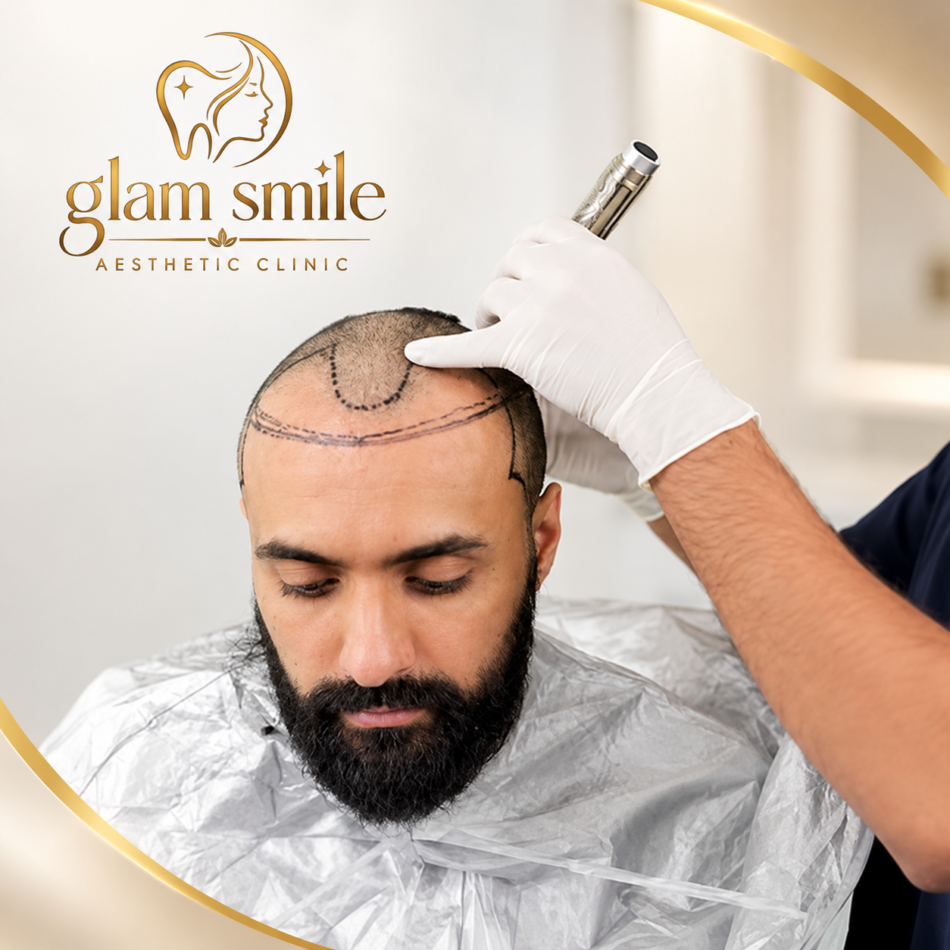
After a hair transplant, small scabs form around the newly implanted hair follicles. These tiny crusts are a normal part of the healing process, but many patients wonder how long they will last and whether they can remove them safely. Understanding what to expect can help protect the transplanted grafts and support healthy recovery.Most hair transplant scabs begin to loosen and fall off naturally within 7–14 days after surgery, although the exact timing varies depending on the procedure, individual healing, and aftercare routine.If you are considering a Hair Transplant in Islamabad, knowing how scabs develop, when they should disappear, and how to care for your scalp can help you feel more confident throughout recovery.This guide explains the scabbing process, proper aftercare, treatment benefits, potential risks, and the signs that indicate you may need medical advice.
What Are Hair Transplant Scabs?
Hair transplant scabs are small, dry crusts that develop around the tiny openings created during follicle extraction and implantation. They usually consist of dried blood, tissue fluid, and natural skin debris.Scabs are part of the body’s normal wound-healing response. They help cover the treated areas while the underlying skin begins to repair itself.After a hair transplant, scabs may appear as small brownish or reddish spots across the recipient area. Some patients also develop tiny crusts in the donor area, depending on the technique used.Although scabs may look concerning, their presence does not usually indicate a problem. They should gradually become smaller, loosen, and fall away as the scalp heals.
Why Do Scabs Form After a Hair Transplant?
During a hair transplant, the surgeon creates small openings to remove or implant hair follicles. These openings may release tiny amounts of blood and tissue fluid.
Who Is Suitable for a Hair Transplant?
A hair transplant may be suitable for adults with a stable pattern of hair loss, adequate donor hair, and realistic expectations about the results.Potential candidates include people experiencing:Not everyone is a suitable candidate. Active scalp infections, some inflammatory forms of hair loss, limited donor hair, or certain medical conditions may require additional assessment or make surgery inappropriate.A consultation with a qualified hair restoration surgeon is important to determine whether the procedure is suitable for your needs.
What Are the Benefits of a Hair Transplant?
For suitable patients, hair transplantation can offer several potential benefits.
Natural-Looking Hair Restoration
Careful graft placement can recreate a hairline that complements the patient’s facial features and natural hair growth direction.
Long-Term Results
Transplanted follicles are generally selected from areas more resistant to common pattern hair loss. They may continue producing hair over the long term, although surrounding non-transplanted hair can continue thinning.
Improved Hair Coverage
A transplant can increase the appearance of hair density in selected areas, including the hairline, temples, and crown.
Potential Improvement in Confidence
Some patients feel more comfortable with their appearance after successful hair restoration. However, results vary, and a transplant cannot guarantee a particular level of density.
A hair transplant also has limitations. The final density depends on donor hair availability, the extent of hair loss, healing, and graft survival. Some patients may need additional treatment to address continuing hair loss.Seek medical advice if you experience increasing pain, spreading redness, fever, pus, significant swelling, or persistent bleeding. These symptoms should not be assumed to be part of normal scab healing.
Hair Transplant in Islamabad: Choosing the Right Clinic
Choosing a suitable clinic is an important step in achieving safe and satisfactory hair restoration results. Look for qualified medical professionals, transparent treatment information, appropriate surgical facilities, and clear postoperative support.Glam Smile Clinic can be a starting point for discussing your hair restoration goals and learning about available treatment options. Before booking, confirm the clinic’s hair transplant services, the qualifications of the treating surgeon, and the aftercare support provided.A professional consultation should explain the expected healing timeline, graft requirements, potential complications, and how to manage scabs safely.
Frequently Asked Questions
1. Can I remove hair transplant scabs after seven days?
Some scabs may begin loosening after seven days, but you should not force them off. Follow your surgeon’s washing instructions and allow the crusts to separate naturally.
2. What happens if I accidentally remove a scab?
If a scab comes off accidentally, avoid rubbing the area. A small amount of bleeding may occur, but persistent bleeding, severe pain, or concern that a graft has been disturbed warrants contacting your surgeon.
3. Do hair transplant scabs affect hair growth?
Scabs are a normal part of healing and do not usually prevent successful growth. However, picking or forcefully removing them too early can injure healing tissue and potentially affect grafts.
4. Can I wash my hair while scabs are present?
Yes, when your surgeon’s protocol allows it. Gentle washing can help keep the scalp clean and loosen crusts gradually. Avoid vigorous rubbing and high-pressure water.
5. What should I do if scabs remain after 14 days?
A few scabs may take longer to disappear. Continue following your surgeon’s instructions and arrange an assessment if they persist without improvement or if you notice pain, redness, swelling, or discharge.
Conclusion
Hair transplant scabs generally begin falling off naturally within 7–14 days after surgery as the scalp heals. The exact timeline varies, so patience and gentle aftercare are essential. Avoid picking, scratching, or forcefully removing crusts, and follow your surgeon’s guidance about washing and scalp protection.If you are considering a hair transplant, choosing a qualified provider and understanding the recovery process can help you make an informed decision. For patients exploring hair restoration options in Islamabad, Glam Smile Clinic can be a starting point for discussing treatment suitability, recovery expectations, and appropriate postoperative care.
Read More:


