 WhatsApp Us Now

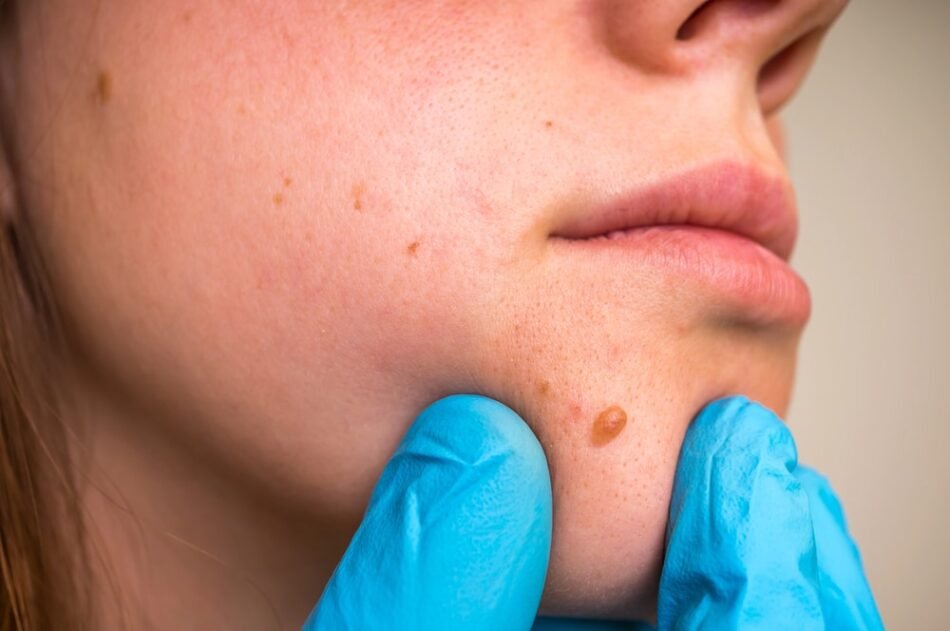
Facial moles are common skin features that can appear on the cheeks, forehead, chin, nose, or around the lips. They may be present from birth or develop during childhood and adulthood. While many moles are harmless, their appearance can influence how people feel about their skin and overall facial harmony. Individuals exploring Benign Mole Removal in Dubai may want to understand whether addressing a noncancerous mole is an appropriate option for their particular skin concern. The decision often depends on the mole’s characteristics, its location, and whether it causes irritation or cosmetic discomfort.
Why Do People Have Facial Moles Addressed?
Facial moles are highly visible because they appear on an area that receives considerable attention during everyday interactions. Common reasons for considering removal include:
- Feeling self-conscious about a prominent mole.
- Experiencing repeated irritation from shaving or skincare products.
- Finding that a raised mole catches on clothing or accessories.
- Preferring a more even-looking complexion.
- Wanting a medical assessment of a changing or bothersome skin growth.
Can Benign Mole Removal Address Cosmetic Concerns?
Addressing a benign facial mole may be an option for individuals who dislike its appearance or experience recurring discomfort. Whether removal is appropriate depends on the mole’s nature, position, depth, and relationship to the surrounding skin.
It is important to recognize that removing a mole does not automatically guarantee flawless skin. The area may retain a mark or develop a scar, and the possibility of pigmentation changes can vary between individuals. Facial skin also differs across regions, meaning a mole near the nose may present different considerations from one on the cheek.
Which Facial Moles May Need Attention?
Moles can differ considerably in appearance, and certain characteristics deserve closer consideration. A stable, familiar mole may be harmless, whereas a spot that changes unexpectedly should not be treated as a purely cosmetic issue. Pay attention to features such as:
- Asymmetry: One half looks noticeably different from the other.
- Border changes: The edges become irregular, blurred, or uneven.
- Color variation: Several colors appear within the same mole.
- Increasing size: The spot grows or changes in proportion.
- New symptoms: Bleeding, persistent itching, crusting, or tenderness develops.
How Does Mole Location Affect Personal Considerations?
The position of a facial mole can influence how noticeable it is and how much it affects everyday comfort. Moles near the eyes, lips, nostrils, and other delicate areas may require particular attention because the surrounding skin has distinct characteristics.
For some individuals, a mole on the cheek may be their primary cosmetic concern. Others may be more concerned about a raised spot along the jawline that becomes irritated during shaving. The same type of mole can therefore have different significance depending on its location and the individual’s preferences.
Does Every Benign Facial Mole Need Removal?
No. Most benign moles do not require removal simply because they exist. If a mole is stable, comfortable, and not a source of personal concern, leaving it alone is generally a reasonable choice. A useful way to approach the decision is to consider:
- Whether the mole causes physical discomfort.
- Whether its appearance meaningfully affects self-confidence.
- Whether a qualified professional has assessed its nature.
- Whether the possibility of a residual mark is acceptable.
What Should People Know About Scarring and Skin Texture?
Any intervention that affects the skin can leave a visible trace. The likelihood and appearance of scarring depend on factors such as the mole’s depth, its location, individual healing tendencies, and the characteristics of the surrounding skin.
It is helpful to maintain realistic expectations and recognize that removing a raised or pigmented spot does not necessarily make the surrounding skin completely uniform. Understanding these possibilities supports a more informed and comfortable decision.
The Importance of Skin Health and Self-Confidence
A facial mole can influence confidence, but its presence does not determine a person’s attractiveness or the health of their skin. Some individuals embrace their moles as distinctive features, while others prefer to explore available options for addressing them.
Skin health also involves noticing changes, protecting the skin from excessive sun exposure, and seeking medical advice when an unusual spot develops. These habits remain important regardless of whether someone chooses to keep a benign mole or consider having it addressed.
Making an Informed Decision About Facial Moles
Choosing how to manage a facial mole begins with understanding its characteristics and the reason it has become a concern. A mole that has remained unchanged for years presents a different situation from one that has recently altered in appearance.
Individuals should avoid assuming that every dark or raised spot is benign. Likewise, they should not feel obligated to remove a harmless feature solely because it differs from conventional beauty preferences.
Final Thoughts
Benign mole removal may help address certain facial mole concerns, particularly when a growth causes recurring irritation or affects personal confidence. However, it is not necessary for every harmless mole, and the decision should reflect individual needs rather than external beauty standards. A changing or suspicious mole should always receive appropriate medical assessment before cosmetic concerns are addressed.


