 WhatsApp Us Now

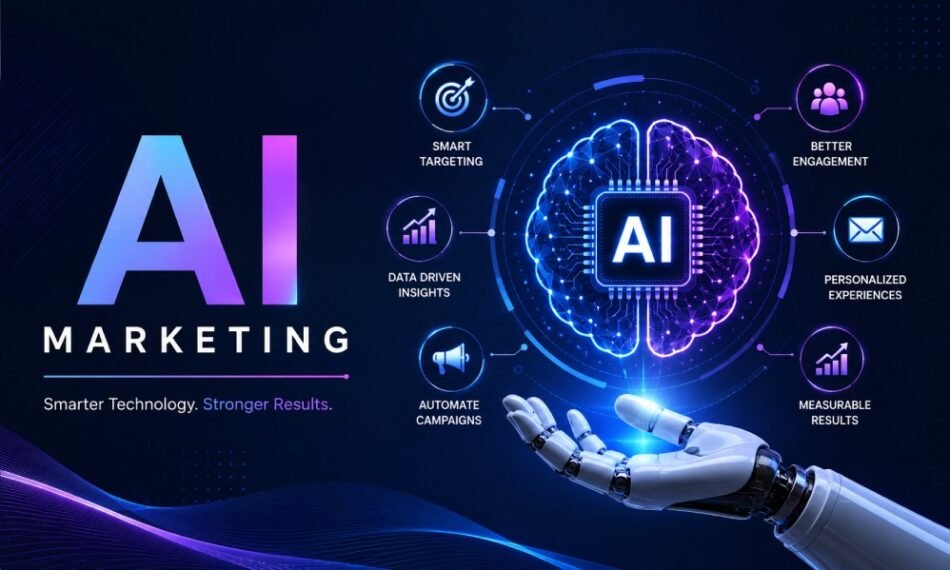
Marketing has always evolved alongside technology, but the pace of change in the last few years has been unlike anything before it. Artificial intelligence now influences almost every stage of the customer journey, from the first search query to the final purchase decision. For brands operating in New Zealand, building an AI-ready marketing strategy is quickly becoming the difference between staying visible and getting left behind.
This isn’t about chasing every new tool that launches. It’s about understanding which parts of the marketing funnel AI can genuinely improve, and building processes around those improvements in a way that fits the local market.
The Shift from Reactive to Predictive Marketing
Traditional marketing often relied on looking backward, analysing last month’s campaign performance to plan next month’s activity. AI has changed that. Predictive models can now forecast customer behaviour, flag which segments are most likely to convert, and suggest budget allocation before a campaign even launches.
For New Zealand brands, this shift matters because local markets move fast and customer attention is limited. Businesses that can anticipate demand, rather than simply react to it, are better positioned to capture opportunities before competitors do.
Content Strategy in an AI-Driven Search Landscape
Search behaviour has changed dramatically. Users increasingly type full questions instead of short keyword phrases, and AI-powered search results now summarise answers directly on the results page. This means content needs to be structured clearly, written to answer specific questions, and backed by genuine expertise rather than generic filler.
A strong SEO services New Zealand approach today involves building content around real user intent, using clear formatting, and ensuring technical foundations are solid enough for AI crawlers to interpret accurately. Brands that treat SEO as a one-time task rather than an ongoing strategy tend to fall behind quickly in this environment.
Social Proof and AI-Driven Engagement
Social media algorithms have become highly selective about what they surface, rewarding content that generates genuine engagement rather than passive views. AI tools can help identify which formats, topics, and posting patterns resonate most with a specific audience segment, removing much of the guesswork from social content planning.
This is where a thoughtful SMO services New Zealand strategy becomes valuable, using data to refine what gets posted and when, rather than posting on instinct alone. Brands that combine consistent creative output with AI-informed timing and targeting tend to see stronger, more sustainable engagement over time.
Paid Media That Learns as It Runs
Perhaps the clearest example of AI’s impact on marketing is in paid advertising. Modern ad platforms use machine learning to test creative variations, adjust bidding in real time, and refine audience targeting continuously throughout a campaign’s life. This reduces manual guesswork and often improves cost efficiency significantly.
That said, automation still needs direction. A well-managed PPC services New Zealand campaign combines the platform’s machine learning capabilities with clear business goals, defined budgets, and ongoing human review to make sure spend is going toward outcomes that actually matter to the business.
Building an AI-Ready Marketing Team
Adopting AI doesn’t mean replacing marketing teams with software. It means equipping teams with tools that remove repetitive work so they can focus on strategy, creativity, and relationship building. Businesses that invest in training their teams to use AI tools effectively, rather than fearing them, tend to adapt faster and see better long-term results.
Small, incremental changes work best. Start by automating reporting and analysis, then gradually introduce AI into content planning and ad optimisation as the team becomes more comfortable with the technology.
Measuring What Actually Matters
One risk of AI-driven marketing is an overreliance on vanity metrics that look impressive but don’t reflect real business impact. It’s important to keep measurement anchored to outcomes like qualified leads, conversion rates, and customer lifetime value, rather than surface-level engagement numbers alone.
AI can help surface these deeper insights faster, but the interpretation still requires human judgement grounded in an understanding of what success actually looks like for the business.
Frequently Asked Questions
What does an AI-ready marketing strategy actually involve?
It means integrating AI tools into research, content planning, and campaign optimisation, while keeping strategic decisions guided by clear business goals. TrendWaltz New Zealand builds these strategies around each client’s specific market position.
Is AI marketing only useful for large businesses?
No. Many AI-powered tools are accessible to businesses of any size, and small businesses often see faster returns since they can adopt new processes more quickly than larger organisations.
How long does it take to see results from AI-informed campaigns?
Timelines vary depending on the channel, but most businesses start seeing measurable improvements within a few months of consistent, data-informed optimisation. TrendWaltz New Zealand typically reviews performance on a monthly basis to track progress.
Does AI reduce the need for creative content?
No, if anything it increases its importance. AI can optimise distribution and targeting, but original, well-crafted content is still what captures genuine audience attention.
How can a business start building an AI-ready strategy?
The best first step is an audit of current marketing processes to identify where AI can add the most value without disrupting what’s already working. TrendWaltz New Zealand offers this as a starting point for businesses exploring AI adoption.
Final Thoughts
AI is no longer a future consideration for marketing, it is already shaping how New Zealand brands compete for attention today. Businesses that build strategies around AI’s strengths, while keeping human judgement at the centre of decision-making, are the ones best positioned to grow sustainably in this new landscape.
If your business is ready to build a marketing approach that keeps pace with these changes, getting started with the right strategy makes all the difference.


