 WhatsApp Us Now

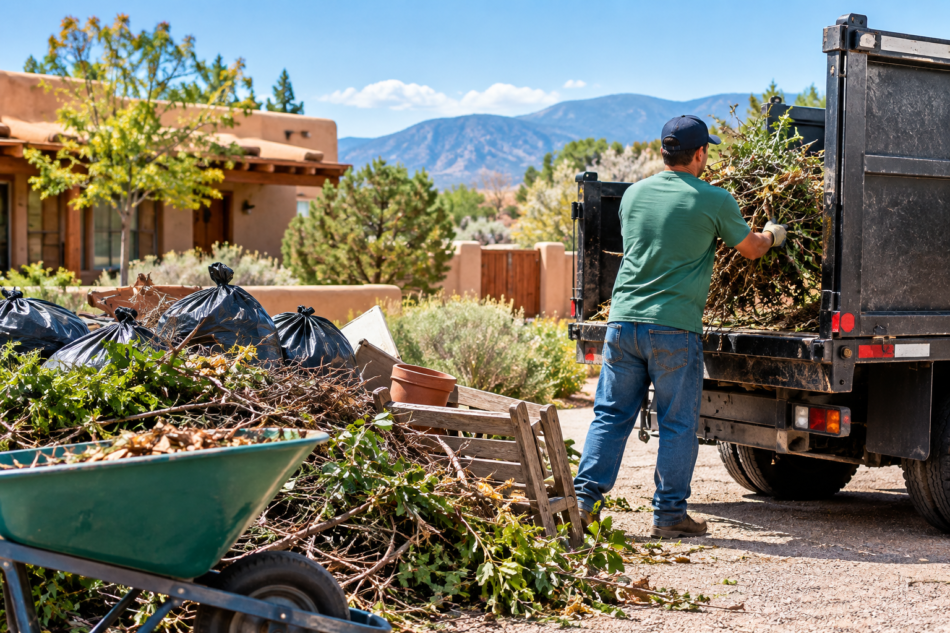
Clearing a home is rarely just a logistics project. Whether you are settling a family member’s estate, helping a parent move into a smaller place, or simplifying your own life after decades in the same house, the work is physical, emotional, and often time-sensitive. Santa Fe adds its own wrinkles: older adobe homes with narrow doorways and uneven floors, casitas and storage sheds packed with decades of belongings, and a strong local market for art, antiques, and southwestern furnishings that deserve a second life. This guide explains how to approach a cleanout thoughtfully, what to sort and what to keep, and when bringing in professional Junk Removal Santa Fe help is the smartest move.
Why Cleanouts Feel Overwhelming
Most people underestimate the scale of a cleanout. A house accumulates belongings in layers: closets, garages, crawl spaces, attics, workshops, and outdoor storage. Add sentimental attachment, and even simple decisions take time.
Emotional weight slows everything down. Photographs, letters, and keepsakes tie memories to objects. It is normal to stall on a box of old papers for an hour. Planning for that pace prevents frustration.
Hidden volume surprises families. Cabinets, closets, and storage buildings often hold far more than expected. A home that looks modest from the living room can fill several truckloads.
Deadlines add pressure. Lease endings, real estate listings, estate timelines, and out-of-town family schedules compress the work into a short window.
Recognizing these pressures early helps you build a realistic plan rather than a hopeful one.
Start With a Plan Before You Touch Anything
A little structure up front prevents mistakes, especially in an estate situation.
Confirm who has authority. If the home belongs to an estate, make sure the personal representative or legal owner approves what is removed or discarded. If there is any uncertainty about ownership, wills, or probate, consult an attorney or the court process before disposing of anything of value. This article is general guidance, not legal advice.
Walk the whole property first. Include the garage, shed, patio, and any outbuildings. Photograph each room so you have a record of what was there, which is useful for family discussions, insurance questions, and later estimates.
Set a timeline. Work backward from your deadline. Smaller homes may take a few days of focused effort, while larger or heavily packed properties can take weeks.
Decide who participates. Invite family members to claim meaningful items early, ideally with a clear deadline, so disagreements do not stall the process later.
The Four-Category Sorting Method
A simple system keeps decisions moving. Label boxes or mark rooms for each category.
Keep. Items that family members want, or that you need in your new home. Be honest about space, especially when downsizing.
Sell or appraise. Fine art, jewelry, collectible pottery, Native American and southwestern pieces, antique furniture, rugs, and anything that might carry real value. Get an appraisal from a qualified professional before selling items you suspect are worth more than they look. Santa Fe has a deep community of dealers and appraisers who specialize in regional art and artifacts.
Donate. Clean, usable furniture, clothing, kitchenware, books, and tools can help others. Local thrift stores and reuse organizations, including building-materials resale shops, often accept donations, though acceptance policies and pickup availability vary, so call ahead.
Discard. Broken, damaged, expired, or unusable items. This is the category that usually requires hauling, and it is where professional Junk Removal Santa Fe crews save the most time and effort.
Items That Need Special Handling
Some belongings should not simply go in a truck or a trash bin.
Important documents. Set aside wills, deeds, tax records, insurance policies, bank statements, titles, and identification. Shred what is no longer needed rather than throwing it away, since old papers can contain account numbers and personal details.
Firearms and ammunition. Do not toss these into a general cleanout load. Contact local law enforcement or a licensed dealer for guidance on lawful transfer or disposal.
Medications. Take expired or unused prescriptions to a pharmacy take-back program or a local collection event rather than flushing or trashing them.
Hazardous household materials. Paint, solvents, pesticides, propane tanks, batteries, fuel, and cleaning chemicals generally cannot be included in a standard junk load. Check with the regional solid waste agency for household hazardous waste options.
Electronics. Computers, phones, and hard drives may hold personal data. Wipe or remove storage before recycling, and use e-waste programs rather than the regular trash.
Cash and valuables. Check pockets, books, coat linings, drawers, and under furniture. People often tuck valuables in unexpected places, so a careful sweep before anything is hauled away is worthwhile.
Challenges Specific to Santa Fe Homes
Local housing and climate shape how a cleanout unfolds.
Narrow doorways and uneven surfaces. Adobe and older homes may have tight entries, steps, and irregular flooring. Moving a large sofa, armoire, or a heavy carved wooden chest can be difficult and risky without the right technique.
Altitude and heat. At roughly 7,200 feet, exertion tires people faster than expected. Take breaks, drink water, and schedule heavy lifting for cooler parts of the day.
Storage in sheds, portales, and casitas. Dry conditions preserve belongings, but dust, rodents, and insects are common in rarely opened spaces. Wear gloves and a dust mask, and be cautious of wildlife in storage areas.
Neighborhood and HOA considerations. Some communities have rules about dumpsters, driveway use, or parking large vehicles. Check requirements before a truck or container arrives.
When Professional Help Makes Sense
Plenty of families handle a cleanout themselves, but hiring help is often the better choice in these situations.
Large volume. If the discard pile fills a garage, you are likely looking at multiple truckloads and repeated dump trips.
Heavy or bulky furniture. Appliances, pianos, large bookcases, hot tubs, and sleeper sofas are difficult to move safely.
Tight deadlines. A closing date or lease ending leaves little room for slow progress.
Distance or health limits. Family members living out of state, or anyone with physical limitations, can benefit from a crew that handles lifting and loading.
Emotional strain. Sometimes having a calm, experienced team handle the physical work allows family members to focus on the decisions that matter most.
A quality Junk Removal Santa Fe provider can sort items you point out, load the truck, sweep up, and take materials to appropriate recycling, donation, or disposal facilities.
How to Evaluate a Cleanout Service
You are inviting people into a home that may hold valuable and personal belongings, so trust is essential.
Ask about insurance and licensing. A reputable company should carry liability coverage and be able to explain its credentials. This protects you if a wall, floor, or item is damaged.
Request a written estimate. Pricing typically reflects the volume of items, the labor involved, access challenges like stairs, and disposal fees. Be wary of quotes that are vague or dramatically lower than everyone else’s.
Clarify what is included. Ask whether the price covers loading, sweeping, and disposal, and whether any items such as appliances or mattresses carry additional fees.
Ask where items go. Responsible providers can tell you how they recycle, donate, and dispose of materials. This matters both ethically and legally, since improper dumping can create liability and harms the desert landscape.
Check reputation. Read recent reviews on independent platforms, ask for local references, and confirm that the business has a real local presence.
Keep valuables separate. Remove or clearly mark irreplaceable items before the crew arrives, and consider being present on the day of the job.
A Practical Day-by-Day Framework
For a typical single-family home, this sequence keeps things manageable.
First, secure valuables and documents. Gather important papers, jewelry, and sentimental items into a safe location.
Second, let family claim items. Set a firm date and communicate it clearly.
Third, arrange appraisals and sales. Handle high-value items before general clearing begins.
Fourth, donate usable goods. Schedule pickups or drop-offs so they are out of the way.
Fifth, remove the discard pile. Book a Junk Removal Santa Fe crew or make dump runs yourself once the other categories are cleared.
Sixth, do a final sweep. Walk every room, closet, cabinet, and outbuilding, then clean and prepare the property for sale, rental, or handoff.
Reducing Waste While You Clear
Large cleanouts can generate enormous amounts of landfill-bound material, but much of it does not have to end up there. Donate furniture and household goods, recycle metal, cardboard, and electronics, repurpose usable lumber and building materials, and compost or chip organic yard debris. Asking your hauler about diversion practices helps keep reusable items in circulation, which benefits neighbors and the environment alike.
Frequently Asked Questions
How long does an estate cleanout usually take?
It depends on the size of the home and how many belongings need to be sorted. A small apartment may take a couple of days, while a full household with outbuildings can take several weeks.
Should I sort everything before the removal crew arrives?
You do not need to sort every item, but you should set aside anything you want to keep and clearly identify what is going. Professionals can handle the heavy lifting once decisions are made.
What if I find items I cannot identify or value?
Pause and get an appraisal or expert opinion, especially for art, jewelry, antiques, and Native American or southwestern pieces.
Can leftover furniture be donated rather than hauled to the dump?
Often yes, if it is clean and in usable condition. Donation organizations have different standards, so call before you load anything.
Is it better to rent a dumpster or hire a crew?
A dumpster gives you flexibility and a lower per-load cost if you have time and help. A crew costs more but saves labor and speeds up the timeline. Weigh time, physical effort, and access when choosing.
Final Thoughts
Clearing a home is as much about honoring a life and a chapter of a family’s story as it is about emptying rooms. A clear plan, careful sorting, and attention to documents, hazardous materials, and valuables will protect you from costly mistakes. When the volume or physical demands exceed what you and your family can manage, a reliable Junk Removal Santa Fe team can lift the burden, responsibly dispose of what remains, and leave you with space to focus on what matters.


