 WhatsApp Us Now

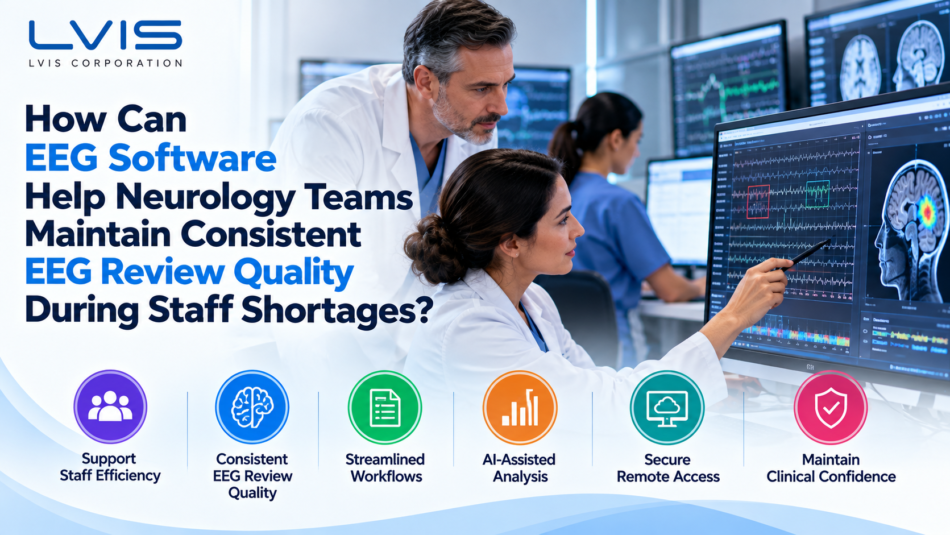
Discover how EEG software helps neurology teams manage staff shortages, improve clinical collaboration, standardize EEG reviews, and maintain reporting quality.
Neurology departments face increasing pressure to manage growing EEG workloads while maintaining accurate and consistent clinical reviews. Staff shortages involving neurologists, epileptologists, and EEG technologists can make it difficult to review recordings efficiently and maintain predictable reporting schedules. Long-duration EEG studies also generate substantial amounts of data that require careful interpretation by qualified clinicians. Advanced eeg software can support clinical teams by improving access to recordings, organizing review workflows, and reducing repetitive administrative tasks. By combining appropriate technology with established clinical protocols, healthcare organizations can maintain more consistent review processes even when staffing resources are limited.
Why Do Staff Shortages Affect EEG Review Quality?
EEG interpretation requires specialized clinical knowledge, careful examination of recorded signals, and appropriate documentation of findings. When staffing levels decline, remaining clinicians may need to manage additional recordings alongside existing patient care responsibilities. Increased workloads can contribute to reporting delays, scheduling difficulties, and inconsistent distribution of review tasks. These challenges become particularly significant in epilepsy monitoring units and facilities managing continuous or ambulatory recordings. Standardized workflows can help departments maintain appropriate review procedures despite operational pressures.
How Does Increased Workload Affect EEG Interpretation?
A single prolonged EEG recording may contain hours or days of neurological activity requiring assessment. Clinicians must distinguish clinically relevant abnormalities from artifacts, normal variations, and technical interference. When review workloads increase, maintaining consistent documentation and escalation procedures becomes more challenging. Departments should establish clear expectations for review responsibilities, clinical priorities, and reporting requirements. Structured processes help reduce unnecessary variation while preserving professional judgment.
How Can EEG Software Improve Clinical Workflow Consistency?
Modern eeg software can help neurology teams access recordings, organize patient studies, and follow established review procedures. Centralized platforms may reduce the need to move files manually between different workstations or departments. Standardized viewing environments can also make it easier for clinicians to work with familiar tools across multiple locations. These capabilities are particularly useful when temporary staffing changes require additional specialists to participate in reviews. Consistent technology workflows support operational continuity without replacing the need for qualified clinical interpretation.
Standardizing EEG Review Procedures
Neurology departments benefit from clearly defined procedures for reviewing recordings and documenting abnormalities. Digital platforms can support these procedures through organized study access, event annotations, and consistent reporting tools. Standardization helps clinicians understand which steps are required before a study is finalized. It can also make training and handovers easier when team members change. However, clinical protocols must remain appropriate for the patient’s condition and the organization’s care requirements.
How Can AI EEG Support Neurologists During Staffing Shortages?
AI EEG technology can assist clinicians by identifying patterns or events that may warrant closer examination. Automated event detection may help reviewers navigate lengthy recordings and prioritize areas requiring attention. These capabilities can be particularly useful when departments manage high volumes of continuous EEG data. However, automated findings may include false positives or miss clinically relevant events, making professional verification essential. AI-assisted tools should support clinical decision-making rather than independently determine diagnoses.
Why Is Human Review Still Essential?
EEG interpretation involves clinical context that automated systems cannot fully evaluate on their own. Neurologists consider patient history, symptoms, medications, recording conditions, and other diagnostic findings. AI-generated annotations must therefore be reviewed according to appropriate clinical procedures. Clinicians remain responsible for evaluating the significance of detected abnormalities and preparing final interpretations. This combination of automation and professional expertise supports responsible technology adoption.
How Can EEG Analysis Software Reduce Repetitive Tasks?
EEG analysis software can help clinicians navigate complex recordings through digital viewing tools, annotations, and organized data presentation. Automated features may assist with identifying candidate events and summarizing information for further review. This can reduce time spent on certain repetitive navigation and documentation activities. Teams may then allocate more attention to complex findings and cases requiring specialist interpretation. Actual efficiency improvements depend on the software’s capabilities, clinical workflow, and implementation.
Improving Access to Long-Duration EEG Recordings
Continuous and ambulatory EEG monitoring can generate extensive recordings that are difficult to review efficiently. Clinicians may need to examine specific time periods, compare events, or evaluate changes throughout a study. Digital tools can make relevant portions of recordings easier to locate and revisit. Organized annotations also support communication between technologists and interpreting physicians. These functions can help departments manage large datasets more systematically.
How Can EEG Review Software Support Remote Collaboration?
EEG review software can support collaboration when clinicians work across different hospitals, departments, or geographic locations. Secure remote access allows authorized specialists to review recordings without relying entirely on a single physical workstation. This flexibility can help organizations distribute workloads when local staffing is limited. Shared reporting and annotation processes may also improve communication between team members. Appropriate access controls and privacy safeguards remain essential when handling patient information.
Supporting Collaboration Between Neurologists and Technologists
EEG technologists play an important role in recording quality, event annotation, and communication with interpreting clinicians. Staffing shortages can make effective coordination between these professionals even more important. Shared digital workflows allow relevant observations and recording details to be available during physician review. Clear responsibilities help prevent uncertainty about which findings require escalation or additional assessment. Collaborative processes support consistent documentation and more efficient handovers.
How Can NeuroMatch Support EEG Review Workflows?
Neuromatch, developed by LVIS Corporation, is a cloud-based platform designed to support neurological signal review and clinical collaboration. The platform includes browser-based access, automated reporting tools, artifact reduction capabilities, and AI-assisted event detection features. These tools are intended to help clinicians navigate EEG recordings and coordinate review activities more efficiently. LVIS also describes functionality for longitudinal reports and collaboration between physicians working from different locations. Healthcare organizations should confirm the regulatory status and intended use of specific features before incorporating them into clinical workflows.
How Can Cloud-Based Access Help Short-Staffed Teams?
Cloud-based access can reduce dependence on dedicated local review workstations. Authorized clinicians may be able to access relevant recordings from different locations when organizational policies permit. This flexibility can support remote specialist participation and more adaptable workload distribution. Centralized study access may also reduce delays associated with transferring recordings between systems. Security, connectivity, and appropriate clinical oversight should remain part of implementation planning.
How Can Automated Reports Support Documentation?
Consistent reporting is an important part of maintaining EEG review quality. Automated reporting functions can help organize information and reduce repetitive documentation steps. Standardized report structures may make it easier for clinicians to communicate findings across departments. However, generated content must be reviewed and verified by the responsible healthcare professional. Clear documentation procedures help maintain accountability regardless of staffing levels.
What Should Hospitals Consider When Comparing EEG Platforms?
Hospitals should evaluate technology according to their clinical requirements rather than relying exclusively on advertised automation capabilities. A useful assessment considers recording compatibility, workflow integration, data security, collaboration features, and reporting functionality. Organizations should also review implementation requirements and training needs for physicians and technologists. Regulatory status and intended use are particularly important when evaluating AI-assisted clinical features. A structured selection process helps ensure that the platform supports existing patient care responsibilities.
How Should Teams Evaluate a List of EEG Software Options?
When reviewing a list of eeg software options, healthcare organizations should identify which capabilities are essential for their clinical environment. Relevant criteria may include long-duration recording support, remote accessibility, annotation tools, and integration with existing systems. Teams should also assess usability, vendor support, cybersecurity safeguards, and total implementation costs. Demonstrations using representative workflows can help clinicians evaluate whether a platform meets practical requirements. Final decisions should involve clinical leadership, EEG technologists, IT specialists, and relevant procurement personnel.
How Can Hospitals Measure EEG Review Quality During Staffing Shortages?
Maintaining consistent review quality requires more than tracking the number of completed studies. Departments should monitor reporting turnaround times, documentation completeness, escalation compliance, and relevant quality assurance findings. Clinical leadership may also evaluate agreement between reviewers where appropriate and investigate recurring workflow problems. These measures can help identify whether staffing changes are affecting established procedures. Performance monitoring should support quality improvement rather than encourage rushed interpretations.
Establishing Practical Quality Assurance Measures
Quality assurance procedures should reflect the complexity and clinical importance of EEG examinations. Departments can define expectations for report completeness, event documentation, and appropriate physician review. Periodic audits may reveal inconsistent practices or areas where additional training is needed. Findings should be used to improve workflows and clarify responsibilities. A consistent quality assurance process helps organizations maintain oversight as workloads change.
How Can LVIS Corporation Help Neurology Teams Modernize EEG Review?
LVIS Corporation develops neurological technology intended to improve access to EEG data and support more efficient clinical workflows. Headquartered in Palo Alto, California, the company offers a cloud-based platform with collaborative review and AI-assisted analysis capabilities. These features may be relevant to hospitals and neurology departments seeking more flexible workflows during staffing shortages. Organizations should evaluate the platform against their own clinical requirements, staffing models, and applicable regulatory obligations. A product demonstration can help decision-makers understand how available features fit their existing EEG review processes.
Explore EEG Workflow Solutions With LVIS Corporation
Neurology teams facing staffing limitations should begin by identifying the tasks that create the greatest review delays. These may include accessing recordings, locating relevant events, coordinating specialist reviews, or preparing reports. Technology selection should focus on reducing avoidable administrative work while preserving clinical accountability. LVIS Corporation provides information about its platform and opportunities to discuss implementation requirements. Visit https://lviscorp.com/en/neuromatch to explore the available capabilities and request further information.
Maintain Consistent EEG Review Quality With Smarter Workflows
Staff shortages can place significant pressure on neurology teams responsible for reviewing complex EEG recordings. Standardized procedures, secure collaboration, and appropriate automation can help departments manage workloads more consistently. Modern eeg software can support these goals by improving data accessibility and organizing review activities. However, technology must complement qualified clinical interpretation, quality assurance, and established patient care protocols. By combining responsible technology adoption with effective workflow management, healthcare organizations can strengthen operational resilience during staffing challenges.
Explore LVIS Corporation’s EEG platform: https://lviscorp.com/en/neuromatch
Request a consultation or product demonstration: https://lviscorp.com/en/contact
Clinical consideration: Automated event detection and AI-assisted features are intended to support, not replace, qualified clinical judgment. Availability and regulatory clearance vary by feature and jurisdiction, so organizations should verify the intended use of each capability before clinical deployment.


