 WhatsApp Us Now
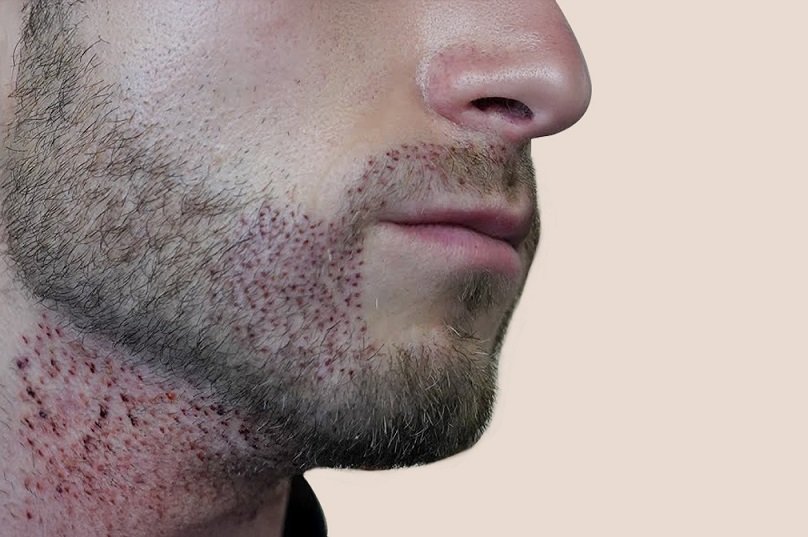
Yes, a beard hair transplant can be a suitable option for men with thin, sparse, or uneven facial hair. The procedure is designed to add hair follicles to areas where natural beard growth is insufficient, helping improve density and create a fuller-looking appearance. Men who are considering زراعة شعر اللحية في دبي may benefit from understanding how transplantation can address thin beards and what factors determine whether they are suitable candidates. Unlike temporary cosmetic products that only conceal sparse areas, a beard transplant involves transferring actual hair follicles to the face. Once the transplanted follicles become established, they can produce new hair according to their natural growth cycle.
Why Do Some Men Have Thin Beards?
Beard density varies significantly between individuals. Genetics is one of the main factors that determines how much facial hair a person develops. Some men naturally have fewer follicles on the cheeks, chin, jawline, or moustache area.
Hormonal factors, age, and individual hair characteristics can also influence beard growth. Previous injuries, scars, or certain conditions may result in localized areas of reduced facial hair.
For some men, beard growth may become thicker with age, while others continue to have naturally sparse facial hair. When natural growth does not provide the desired density, transplantation may be considered.
How Can a Transplant Improve a Thin Beard?
A beard transplant can increase density by introducing healthy hair follicles into areas where facial hair is sparse. The specialist first identifies the areas that require additional coverage and then determines how many follicles may be needed.
Individual follicles are generally extracted from a suitable donor area, commonly the scalp. These follicles are then carefully implanted into the beard area according to the planned design.
The objective is not necessarily to create maximum density. Instead, the follicles are positioned strategically so that they blend with existing facial hair and produce a balanced appearance.
Which Areas of a Thin Beard Can Be Treated?
Several areas can potentially benefit from transplantation. These include the cheeks, jawline, chin, moustache, goatee, and sideburns.
For example, a man may have relatively dense growth around his chin but sparse cheeks. In this situation, the specialist may focus on adding follicles to the cheeks rather than transplanting the entire beard.
Similarly, gaps in the moustache or areas where the jawline appears thin can be treated individually. The treatment plan depends on the patient’s facial hair pattern and desired appearance.
What Happens During the Procedure?
The process usually begins with a consultation and assessment of the donor and recipient areas. The specialist evaluates existing beard density, hair characteristics, facial proportions, and the patient’s goals.
If transplantation is considered appropriate, a suitable donor area is selected. With techniques such as Follicular Unit Extraction, individual follicles can be extracted and prepared for implantation.
The recipient area is then carefully designed. Small openings are created, and the follicles are placed at angles that correspond with the natural direction of facial hair.
Precision is particularly important when treating thin beards because the new follicles need to blend with existing hair rather than appear as a separate pattern.
Will a Beard Transplant Make a Thin Beard Look Completely Dense?
The result depends on several factors, including donor hair availability, the number of follicles required, existing beard density, and individual growth characteristics.
A transplant can improve density, but the amount of coverage that can be achieved depends on the available donor supply. Patients with limited donor hair may need a more conservative treatment plan.
During consultation, the specialist can explain what level of improvement is realistic. Setting appropriate expectations is an important part of planning the procedure.
Is the Result Natural-Looking?
A properly planned beard transplant can produce a natural-looking result. The specialist considers the direction, angle, spacing, and distribution of facial hair when placing each follicle.
The goal is to make the transplanted follicles blend with existing beard hair. Once the transplanted hair has established itself, it can generally be trimmed and styled along with the rest of the beard.
The final appearance develops gradually rather than immediately. Temporary shedding may occur during the early stages before new growth begins.
What Is Recovery Like?
After treatment, patients may experience temporary redness, swelling, tenderness, or small crusts around the treated areas. These effects generally improve during the healing period.
Patients should follow their specialist’s aftercare instructions carefully. They may be advised to avoid unnecessary touching or rubbing of the treated areas and temporarily modify certain activities.
The transplanted follicles require time to establish themselves. New growth develops gradually over the following months, so patience is important when evaluating the final result.
Who May Be Suitable for a Thin-Beard Transplant?
Men with naturally sparse or patchy beard growth may be potential candidates if they have sufficient suitable donor hair and realistic expectations.
A consultation is necessary because beard transplantation is not equally suitable for everyone. The specialist needs to assess donor hair quality, facial hair characteristics, skin condition, and the areas requiring treatment.
Patients should also communicate their preferred beard style. This allows the specialist to develop a treatment plan that complements their facial structure.
Frequently Asked Questions:
Can a beard transplant make a thin beard thicker?
Yes. A beard transplant can add follicles to areas with low density, potentially making a thin beard appear fuller and more defined.
How many grafts are needed for a thin beard?
The number varies depending on the size of the treatment area, existing density, and desired result. A specialist can estimate the number of grafts during an individual consultation.
Can only certain thin areas be treated?
Yes. Treatment can focus on specific areas such as the cheeks, chin, moustache, or jawline rather than the entire beard.
Will transplanted hair blend with my existing beard?
When follicles are carefully placed according to the natural direction and spacing of existing facial hair, they can blend with the surrounding beard as they grow.
Is a beard transplant permanent for thin beards?
Successfully established transplanted follicles are intended to provide long-term hair growth. However, individual outcomes vary, and the quality of the donor follicles and transplantation process can influence results.
Conclusion:
A beard hair transplant can be a suitable option for men with thin, sparse, or uneven facial hair who want to improve beard density. The procedure can target specific areas such as the cheeks, chin, jawline, moustache, or goatee and can be customized according to the individual’s facial structure and desired beard style. A natural-looking result depends on careful planning, appropriate follicle placement, sufficient donor hair, and proper aftercare. Men considering transplantation should consult a qualified specialist to determine whether the procedure is suitable for their beard characteristics and expectations.


