 WhatsApp Us Now

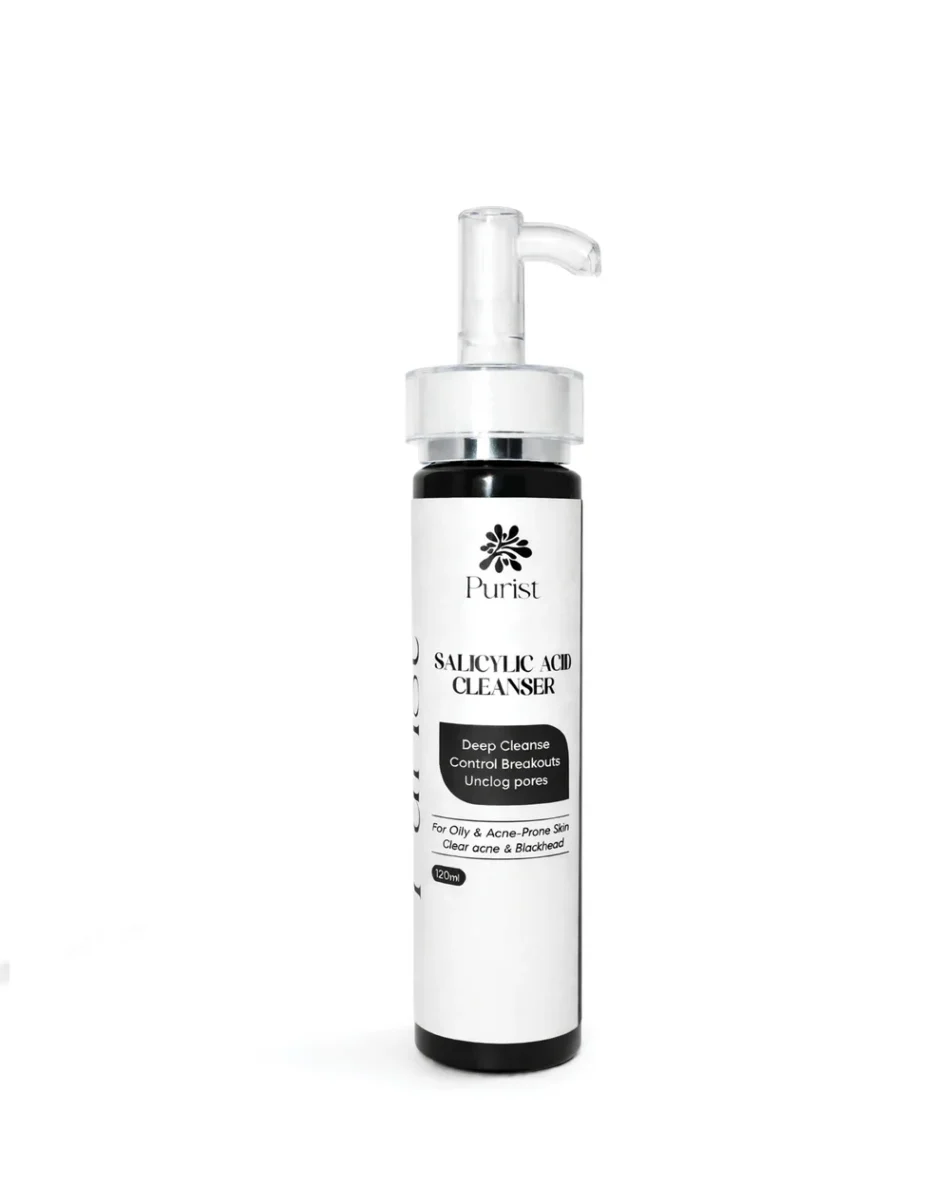
Salicylic acid face wash can be a useful addition to a routine when oily skin, clogged pores, blackheads, or breakouts are the main concerns. But the ingredient does not work better simply because you use more of it.
In fact, many problems associated with salicylic acid come from the way people use the product rather than the ingredient itself.
A few simple changes can make your routine gentler and more sustainable. Here are five mistakes worth avoiding.
1. Using It Too Often
One of the easiest mistakes is assuming that frequent cleansing will clear the skin faster.
It won’t.
Salicylic acid exfoliates the skin and helps loosen the buildup associated with clogged pores. Using a salicylic acid face wash too frequently can leave some people with tightness, dryness, peeling, or irritation.
Start according to the product directions and pay attention to your skin rather than following an aggressive schedule.
If your skin feels comfortable, you can continue at that frequency. If it becomes dry or irritated, reduce use and give your skin time to settle.
The goal is consistent use, not maximum use.
2. Scrubbing Your Skin While Cleansing
Salicylic acid already provides an exfoliating action. You do not need to help it along with a rough scrub, cleansing brush, or aggressive rubbing.
This is particularly important if you are dealing with acne. Scrubbing irritated or blemish-prone skin can make your routine unnecessarily harsh.
Apply the cleanser gently with your fingertips and rinse thoroughly. A short, gentle cleanse is usually preferable to rubbing your face until it feels “squeaky clean.”
That tight, stripped feeling is not proof that your cleanser worked better.
3. Skipping Moisturizer Because Your Skin Is Oily
Oily skin still needs hydration.
Some people avoid moisturizer after using a salicylic acid cleanser because they worry that adding moisture will make their skin oilier or clog their pores. In reality, leaving your skin excessively dry can make your routine harder to tolerate.
Choose a lightweight, non-comedogenic moisturizer that feels comfortable on your skin.
If you use a salicylic acid cleanser in Pakistan, this step can be particularly useful when your skin is exposed to hot weather, frequent sweating, air conditioning, or other environmental changes.
Keep the routine simple: cleanse, moisturize, and use sunscreen during the day.
4. Adding Too Many Active Ingredients
Salicylic acid does not need a crowded skincare shelf to work.
Problems often begin when people introduce several active ingredients at once. For example, using salicylic acid alongside other exfoliating acids, retinoids, or acne treatments may increase irritation depending on the products and your skin’s tolerance.
This does not mean these ingredients can never appear in the same skincare routine. It means you should understand what each product does before combining them.
A better approach is to introduce one active product at a time. If your skin remains comfortable, you can decide whether another treatment actually adds value.
When your skin becomes red, painful, unusually dry, or starts peeling, simplify the routine instead of adding another product to fix the problem.
5. Expecting a Face Wash to Fix Every Type of Acne
Salicylic acid is useful, but it is not a universal acne treatment.
It works particularly well for concerns related to clogged pores because of its ability to exfoliate and help remove dead skin cell buildup. But acne has different forms and causes, and a cleanser may not be enough for persistent or severe breakouts.
This is where expectations matter.
If you have occasional blackheads or oily, congested skin, a salicylic acid face wash may fit comfortably into your routine. If you have painful, deep, persistent, or scarring acne, consider speaking with a dermatologist instead of continually switching cleansers.
More products do not necessarily mean better treatment.
What Should You Do After Using Salicylic Acid Face Wash?
A simple routine is often easier to maintain.
After cleansing, apply a moisturizer suited to your skin type. During the day, finish with a broad-spectrum sunscreen.
You should also avoid using very hot water and resist the temptation to scrub your face dry with a towel.
If your skin feels comfortable after cleansing, that is a better sign than a strong tingling or tight sensation.
How Often Should You Use Salicylic Acid Face Wash?
There is no single schedule that works for everyone.
Your product’s directions, concentration, formulation, and skin tolerance all matter. Someone with oily skin may tolerate frequent use, while someone with dry or sensitive skin may need to use the cleanser less often.
If you are new to salicylic acid, starting gradually gives you a chance to see how your skin responds.
Reduce or stop use if you develop persistent burning, significant redness, peeling, or discomfort.
Is Salicylic Acid Face Wash Good for Oily Skin?
It can be.
Salicylic acid is commonly used in products for oily and acne-prone skin because it can exfoliate inside pores and help address the buildup of oil and dead skin cells.
But oily skin does not automatically mean you need a strong cleanser.
A good salicylic acid face wash in Pakistan should fit into your overall routine without leaving your skin excessively dry or irritated. Consider the complete formulation rather than choosing a product based only on its salicylic acid percentage.
When Should You Avoid It?
Do not apply salicylic acid products to skin that is sunburned, wounded, or already significantly irritated.
If your skin barrier feels compromised, focus on gentle cleansing and moisturizing until your skin becomes comfortable again.
People with allergies to salicylates or certain medical conditions should also seek appropriate professional advice before using salicylic acid products.
The Takeaway
Salicylic acid face wash can help with oily skin, clogged pores, blackheads, and some acne concerns, but technique matters.
Use it as directed. Don’t scrub harder. Moisturize afterward. Avoid building a routine around multiple harsh actives, and don’t expect a cleanser to solve every type of acne.
The best skincare routine is rarely the most complicated one. It is the routine your skin can tolerate consistently.
If breakouts remain persistent, painful, or start leaving scars, a dermatologist can help you move beyond trial and error and choose treatment based on the type and severity of your acne.


