 WhatsApp Us Now

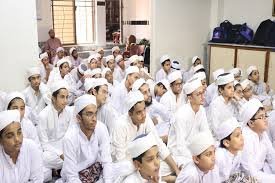
Islamic Schools Near Me
Choosing the right school for a child is an important decision for every parent. Families often look for an educational environment where children can develop strong academic abilities while also learning Islamic values, manners, and knowledge. This is why the search for Islamic schools near me has become increasingly common among parents who want convenient access to an educational institution that supports both learning and character development.
An Islamic school can provide an environment where regular academic subjects are taught alongside Islamic education. Depending on the institution, students may study subjects such as English, mathematics, science, computer studies, and social studies while also learning Quran, Islamic studies, Arabic, and Islamic manners. Finding a suitable school requires parents to consider the child’s educational needs, family values, location, teaching approach, and overall school environment.
Why Parents Search for Islamic Schools near me
Location is one of the most practical factors when selecting a school. Parents usually want their children to spend less time traveling and more time learning, resting, and participating in family activities. Searching for Islamic Schools near me can help families identify educational options located within a convenient distance from their home.
A nearby school can also make daily transportation easier for parents and children. Shorter travel times may help children arrive at school feeling more comfortable and prepared for the day. It can also make communication between parents and school staff more convenient when meetings, events, or other activities take place.
Combining Academic Education with Islamic Learning
One of the main features that attracts families to Islamic schools is the combination of academic and religious education. Children can follow a structured academic curriculum while also receiving lessons related to Quran, Islamic teachings, manners, and values.
This approach can help students understand that education is not limited to textbooks and examinations. Along with developing academic knowledge, children can learn about honesty, responsibility, respect, kindness, patience, and good behavior. The exact curriculum varies from school to school, so parents should review the educational program before making a decision.
Quran Education in an Islamic School
Quran education is often an important part of Islamic schooling. Depending on the institution and age group, students may learn Quran reading, pronunciation, memorization, translation, or basic understanding.
A structured learning environment can help children develop a regular connection with Quranic education. Parents should ask about the school’s teaching methods and determine whether the Quran program matches their child’s age, current level, and learning pace.
Islamic Studies for Everyday Understanding
Islamic studies can introduce students to fundamental concepts of Islamic belief, worship, history, and moral values. Lessons may be designed according to the student’s age and educational level.
Rather than focusing only on memorization, effective teaching can help children understand how Islamic values relate to everyday life. Topics such as respect for parents, good treatment of others, honesty, cleanliness, responsibility, and compassion can become meaningful when students learn how these principles apply to their daily experiences.
Importance of a Strong Academic Curriculum
While Islamic education is an important consideration, parents should also examine the school’s academic program. Children need a strong foundation in core subjects to prepare for higher education and future opportunities.
Parents searching for Islamic Schools near me should look at how the school teaches mathematics, English, science, computer studies, and other relevant subjects. The quality of classroom teaching, assessment methods, learning resources, and academic support can all contribute to a child’s educational development.
Developing Good Character and Manners
Education plays a major role in developing a child’s personality. Islamic schools may place particular emphasis on manners and character alongside academic achievement.
Students can be encouraged to practice respectful communication, responsibility, cooperation, cleanliness, and consideration for others. When these values are consistently reinforced at school and at home, children may have more opportunities to develop positive habits that can benefit them in different areas of life.
A Supportive Environment for Children
The school environment can strongly influence how children feel about learning. A welcoming and respectful atmosphere can help students become more comfortable participating in classroom activities and asking questions.
Parents should consider whether teachers communicate respectfully with students and whether the school maintains an environment that supports learning and personal development. A child’s emotional comfort and sense of belonging are important parts of the overall educational experience.
Qualified and Caring Teachers Matter
Teachers have a significant influence on students. A good teacher does more than explain lessons; they can encourage curiosity, answer questions, identify learning difficulties, and support students as they develop new skills.
For Islamic education, teachers should also be able to explain religious concepts in an age-appropriate and understandable way. Parents may wish to learn about the qualifications and teaching experience of both academic and Islamic studies staff before choosing a school.
Choosing a School According to Your Child’s Age
Different age groups require different teaching methods and educational support. Younger children may benefit from activity-based learning, basic Quran education, and foundational academic skills. Older students may require more advanced academic subjects and deeper Islamic studies.
When reviewing Islamic Schools near me, parents should make sure the school offers an appropriate program for their child’s age and grade. It is also useful to ask about progression from one grade to the next and whether the institution provides a clear educational pathway.
School Discipline and Positive Behavior
A structured school environment can help children understand the importance of time management, responsibility, and appropriate behavior. Islamic schools may connect discipline with Islamic concepts such as respect, honesty, self-control, and responsibility.
However, parents should understand how discipline is actually practiced. A healthy approach should help children understand their mistakes and encourage better behavior rather than relying only on punishment. Parents can ask about school rules and behavior policies before enrollment.
Extracurricular Activities and Student Development
Education does not happen only inside the classroom. Sports, creative activities, educational competitions, clubs, and other activities can help students develop confidence and teamwork skills.
Parents looking for Islamic Schools near me can consider whether the school provides opportunities for students to explore interests outside regular academic lessons. A balanced school experience can give children opportunities to develop communication, leadership, creativity, and cooperation.
Communication Between Parents and Teachers
Strong communication between parents and teachers can support a child’s progress. Parents should have reasonable opportunities to discuss academic performance, behavior, attendance, and other educational concerns.
Schools that maintain clear communication channels can make it easier for parents to stay informed. Regular parent-teacher meetings, progress updates, and school events can help families remain involved in their child’s education.
Considering School Facilities and Learning Resources
The physical environment of a school can also affect the learning experience. Classrooms, libraries, computer facilities, laboratories, activity areas, and other resources can support different aspects of education.
Parents do not necessarily need to choose a school simply because it has the largest campus or the most facilities. Instead, they should consider whether the available resources are appropriate, safe, well-maintained, and actually used to support student learning.
Location, Transportation, and Daily Routine
When searching for Islamic Schools near me, transportation should be considered along with distance. A school may be geographically close but difficult to access during busy traffic hours.
Parents can consider the daily travel time, school timings, transportation options, and how the schedule fits with the family’s routine. A manageable journey can make school days more comfortable for children and reduce unnecessary stress for parents.
Visiting an Islamic School Before Enrollment
Online searches can provide useful information, but visiting a school can give parents a clearer understanding of its environment. During a visit, parents can observe classrooms, speak with staff, learn about the curriculum, and ask questions about Islamic and academic education.
It can also be helpful to understand the school’s admission requirements, timetable, fee structure, teaching approach, and student support services. These details can help families compare their available options according to their own priorities.
Creating a Strong Foundation for the Future
The purpose of education extends beyond completing school grades. Parents want their children to develop knowledge, confidence, good manners, and the ability to make responsible decisions.
An Islamic school can provide an educational setting where academic learning and Islamic values are integrated into the student’s daily routine. The experience will depend on the school’s curriculum, teachers, environment, and the family’s involvement in the child’s development.
Find the Right Islamic Schools near me for Your Child
Searching for Islamic Schools near me is a useful starting point for parents who want accessible education that combines academic learning with Islamic teachings. The right choice depends on many factors, including curriculum, Quran education, teacher quality, school environment, location, facilities, communication, and the individual needs of the child.
Parents should take time to research different schools, visit suitable options, ask meaningful questions, and understand how each institution approaches both academic and Islamic education. By making a thoughtful choice, families can find a learning environment where children are encouraged to gain knowledge, develop good character, and grow with confidence.


