 WhatsApp Us Now

Cohiba Club cigars are small-format cigars associated with the Cohiba name and are designed to provide a shorter smoking experience than traditional full-size Cuban cigars. Their compact size, distinctive tobacco character, and convenient format make them different from larger Cohiba vitolas such as the Robusto, Siglo VI, or Esplendidos.
Understanding the size, tobacco blend, flavor profile, and smoking characteristics of Cohiba Club cigars can help cigar enthusiasts better appreciate what makes this format distinct.
What Are Cohiba Club Cigars?
Cohiba Club cigars are compact Cuban cigarillos produced under the Cohiba brand. Rather than being designed for a long, leisurely smoking session, the Club format is intended for a shorter experience.
Their small dimensions allow the cigar to be enjoyed when there is limited time available. The compact construction also means that the tobacco heats more quickly than a larger cigar, making smoking technique particularly important.
Like other Cuban cigars, Cohiba Club products are associated with the distinctive tobacco-growing and cigar-making traditions of Cuba.
Cohiba Club Size and Format
One of the defining characteristics of Cohiba Club cigars is their small size. They are significantly shorter and slimmer than conventional premium Cuban cigars.
The smaller diameter means there is less tobacco available compared with larger Cohiba formats. As a result, a Club cigar generally provides a relatively short smoking session.
The compact format can also influence how the cigar develops during smoking. Larger cigars often progress through several noticeable stages as different portions of the tobacco are burned. With a small cigarillo, the transition can be faster, and the overall profile may remain more consistent throughout the session.
Because the format is small, careful pacing is useful. Smoking too quickly can cause the cigar to become excessively hot, potentially affecting its flavor and producing a harsher smoke.
Tobacco Blend and Construction
Cuban cigars are known for their use of tobacco grown in Cuba’s principal tobacco-producing region, particularly the Vuelta Abajo area of Pinar del Río. The region has a long-standing reputation for producing tobacco used in premium Cuban cigar production.
Cohiba Club cigars use Cuban tobacco within the brand’s established production tradition. Their smaller construction means that the tobacco components are presented in a compact format rather than the larger layered structure found in many premium long-filler cigars.
The precise tobacco composition and manufacturing specifications can vary depending on the particular Cohiba Club product and production period. This is one reason collectors and enthusiasts sometimes pay attention to packaging, factory markings, and regional availability when examining Cuban cigar products.
Cohiba Club Flavor Profile
Cohiba is commonly associated with a characteristic Cuban tobacco profile that can include earthy, woody, toasted, and subtly spicy notes. In the Club format, these characteristics can appear in a more concentrated and immediate way because of the cigar’s small size.
Depending on the individual cigar and smoking conditions, you may notice notes resembling cedar, roasted tobacco, earth, mild spice, and a slightly sweet tobacco character.
The smoke is generally more direct than the evolving profile found in some larger Cohiba vitolas. Because there is less tobacco to burn through, the flavor development happens over a shorter period.
Storage conditions can also have a significant effect on the experience. Tobacco that has been stored too dry may burn rapidly and produce sharper flavors, while properly conditioned tobacco can provide a smoother and more balanced smoking experience.
Smoking Characteristics
The compact size of a Cohiba Club makes it particularly different from a traditional premium cigar. It typically requires less time to smoke and can produce a relatively quick progression from lighting to the final portion.
The draw, burn, and smoke production can vary from cigar to cigar. As with other tobacco products, lighting technique and smoking pace can influence the way the cigar performs.
A slow, controlled pace generally gives the tobacco more opportunity to express its characteristics without generating excessive heat. Allowing the cigar to rest between puffs can therefore help maintain a more consistent smoking temperature.
How Cohiba Club Compares With Larger Cohiba Cigars
The biggest difference between Cohiba Club cigars and larger Cohiba formats is the overall smoking experience.
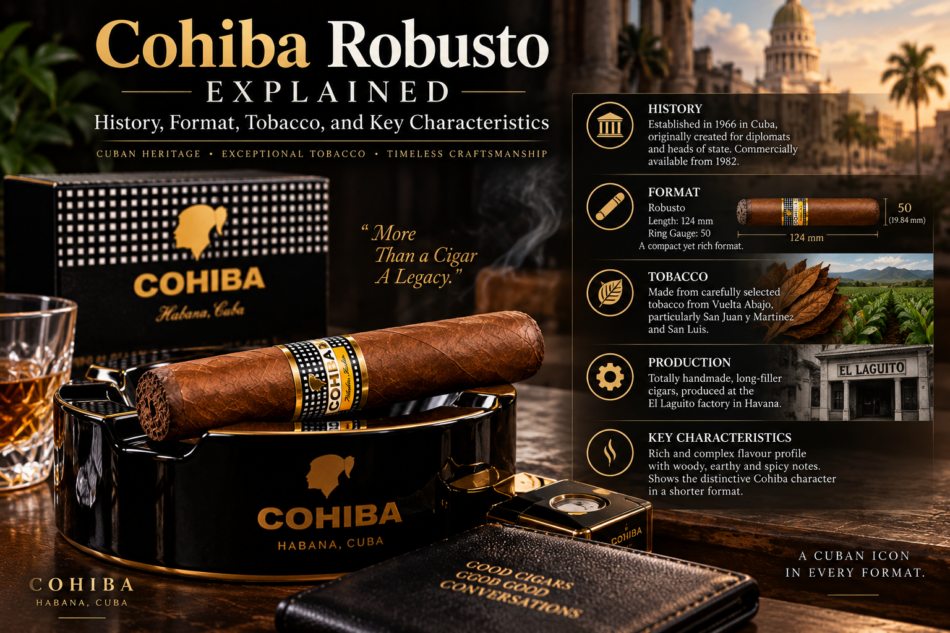
A Robusto or larger Cohiba provides considerably more tobacco and therefore more time for the flavors to evolve. A Club cigar is much more compact, making it suitable for someone looking for a shorter-format cigar experience.
This does not necessarily mean that the two formats taste identical. Cigar size and construction can influence combustion, smoke temperature, draw, and flavor development, even when products come from the same brand.
Final Thoughts
Cohiba Club cigars offer a compact interpretation of the Cohiba smoking experience. Their small format, Cuban tobacco character, earthy and woody flavor possibilities, and relatively short smoking time distinguish them from larger Cohiba cigars.
For enthusiasts interested in the Club format, understanding the relationship between size, tobacco, storage, and smoking technique provides useful context. While smaller cigars offer convenience, their compact construction also means that temperature and smoking pace can have a noticeable effect on the overall experience.


