 WhatsApp Us Now
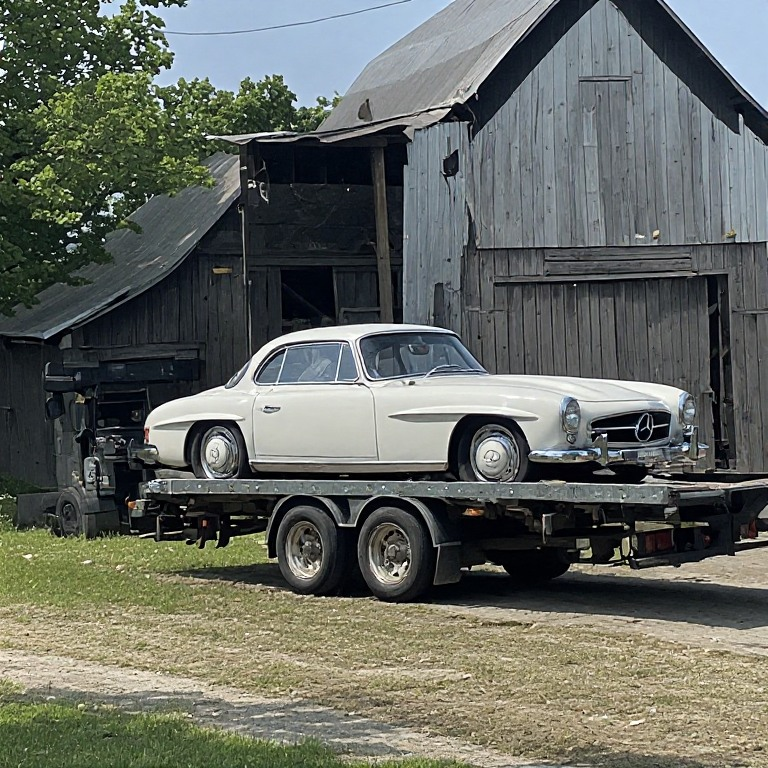
Owning a classic car is about more than having another vehicle in the garage. For many collectors, an older automobile represents craftsmanship, history, rarity, and years of careful preservation. When that vehicle needs to travel hundreds or thousands of miles, driving it across the country may not always be the preferred solution. Classic car owners can instead consider professional transportation designed around the vehicle’s condition, value, and individual requirements.
For collectors relocating to another state, buying a vintage automobile from a distant seller, attending an automotive event, or moving an entire collection, choosing the right shipping method can make the journey considerably easier.
When Moving the Car Means Protecting More Than Transportation
A standard daily driver is built to handle regular road exposure. A restored or collectible automobile may require considerably more attention. Older mechanical components, delicate paintwork, custom finishes, low ground clearance, or limited availability of replacement parts can make an extended road trip less appealing.
Professional transportation allows the owner to separate the vehicle’s relocation from their own travel plans. Instead of adding substantial mileage to an automobile that may only be driven occasionally, a carrier can transport it to the new destination.
The first step is understanding what type of service matches the automobile and the owner’s priorities.
Open Transport or Enclosed Protection?
Collectors generally encounter two primary transportation choices: open and enclosed carriers.
Open transport is widely used for standard vehicles and can also transport many classic automobiles. The vehicle travels on an uncovered carrier alongside other vehicles. For collectors whose main priority is practical transportation and cost considerations, this can be an option worth discussing with a carrier.
Enclosed transport places the automobile inside a covered trailer. This can provide additional protection from weather and outdoor exposure during transit. Owners of highly restored, rare, exotic, or particularly valuable vehicles may prefer enclosed transportation for greater peace of mind.
The decision isn’t identical for every classic car. A recently restored show vehicle may have different requirements from a mechanically sound vintage automobile that is regularly driven. Vehicle condition, value, distance, season, and transportation preferences should all be considered.
A Collector’s Checklist Before the Carrier Arrives
Preparation is an important part of the shipping process. Collectors can take several straightforward steps before handing over their vehicle.
| Preparation Step | Why It Matters |
| Clean the vehicle | Makes existing exterior imperfections easier to identify |
| Photograph all sides | Creates a visual condition record |
| Remove personal items | Reduces risk of misplaced belongings |
| Check for leaks | Helps identify existing mechanical issues |
| Secure loose components | Prevents avoidable movement during transport |
| Check tire condition | Helps with loading and unloading |
| Keep documentation available | Supports a smoother handover |
Owners should also inform the transporter about modifications or special characteristics. Extremely low suspension, non-running condition, oversized tires, custom bodywork, or other unusual features may affect loading requirements.
Why Documentation Deserves Extra Attention
Before transportation begins, documenting the vehicle’s condition is especially useful for collectible automobiles. Take clear photographs of the exterior from different angles, including close-ups of existing scratches, chips, dents, or imperfections.
Interior photographs can also provide a record of the vehicle’s condition. If the car has distinctive modifications or accessories, documenting those features may be helpful as well.
During pickup, the vehicle’s condition is typically reviewed and recorded as part of the shipping process. Owners should carefully review the applicable inspection documentation before the carrier departs.
This isn’t about assuming something will go wrong. It’s simply good preparation when transporting an automobile that may have considerable sentimental or financial value.
Interstate Routes Collectors Commonly Consider
Classic vehicles can travel between virtually any accessible locations in the continental United States. Some collectors relocate between states because of a job change, retirement, family move, or new residence. Others purchase vehicles from sellers in distant states.
For example, a collector might purchase a restored Ford in Texas and need it delivered to Arizona. Another might relocate a garage from Illinois to Florida. A vehicle purchased at an auction in Pennsylvania could also need transportation to a collector’s California residence.
The specific route can influence scheduling, transit time, carrier availability, and pricing. Seasonal demand and weather can also affect transportation arrangements.
Don’t Forget the Mechanical Details
A classic automobile may not operate exactly like a modern vehicle. Some older cars have unique starting procedures, manual controls, modified suspension systems, or mechanical characteristics that the transporter needs to understand.
If the vehicle is operational, ensure it can start, steer, brake, and roll for normal loading procedures. If it doesn’t run, tell the transport company before scheduling pickup. Specialized equipment may be necessary for loading a non-running vehicle.
Owners should never assume the carrier knows about modifications simply because they are visible. Providing accurate information in advance helps the transportation provider prepare appropriately.
How Rapid Auto Shipping Supports Classic Vehicle Relocation
Rapid Auto Shipping provides nationwide vehicle transportation throughout all 50 states. For collectors planning interstate relocation, the company offers open and enclosed transport options based on vehicle requirements and customer preferences.
Door-to-door service can also simplify logistics when the pickup and delivery locations are accessible to the carrier. Customers receive real-time updates during transportation, helping them stay informed as their vehicle progresses toward its destination.
Rapid Auto Shipping has more than 14 years of experience in vehicle transportation and provides insured shipping services. Customers can request a free instant quote by providing details about the vehicle, route, and preferred shipping method.
For a collector, the goal isn’t simply moving a vehicle from one state to another. It’s coordinating transportation around an automobile that deserves careful handling.
Give Your Collection a Thoughtful Transportation Plan
Interstate relocation doesn’t have to mean putting unnecessary miles on a treasured automobile. For collectors, professional transportation offers a way to move a classic car while planning around its condition, value, and specific requirements.
Whether you’re relocating an entire collection, purchasing a vintage vehicle from another state, or simply moving one prized automobile to a new home, careful preparation and selecting an appropriate carrier can make the process more organized. Rapid Auto Shipping provides nationwide transportation options to help collectors coordinate their next vehicle move.
Questions Collectors Often Ask
1. Is enclosed transport better for a classic car?
Enclosed transportation provides a covered environment and additional protection from outdoor exposure. Collectors of valuable, restored, or particularly delicate vehicles may prefer it. However, the appropriate choice depends on the vehicle and the owner’s priorities.
2. Should I drive my classic car instead of shipping it?
Driving can be enjoyable, but a long interstate trip adds mileage and exposes the vehicle to extended road conditions. Professional transportation provides an alternative when minimizing mileage or travel time is important.
3. Can a non-running classic car be transported?
Yes, but the transporter needs to know beforehand. Non-running vehicles may require additional loading equipment or procedures.
4. How should I prepare my classic vehicle?
Clean the vehicle, photograph its condition, remove personal belongings, check for leaks, secure loose components, and inform the transporter about mechanical or structural modifications.
5. Can a classic car be shipped between any two states?
Professional auto transport can serve locations throughout the USA, although specific pickup and delivery arrangements depend on road accessibility, carrier availability, and the vehicle’s requirements.
6. How do I request a quote?
Contact Rapid Auto Shipping with your vehicle information, pickup location, destination, and preferred transportation method to request a free instant quote.


