 WhatsApp Us Now
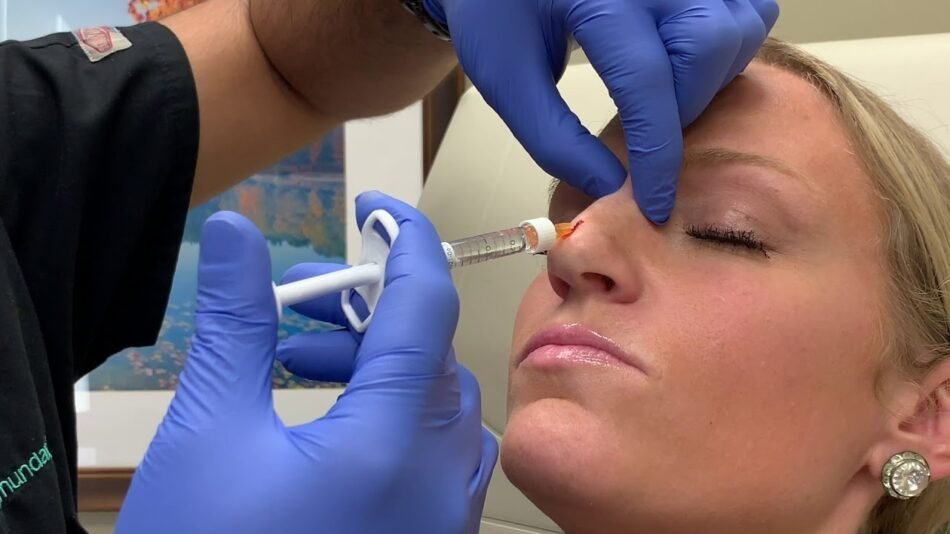
Before booking a rhinoplasty consultation, patients should evaluate the provider’s qualifications, relevant surgical experience, consultation process, facility standards, treatment approach, expected results, recovery support, and aftercare. Reviewing these factors in advance can help you ask better questions and make a more informed decision about Rhinoplasty Surgery in Islamabad. A suitable provider should explain both the potential benefits and limitations of the procedure rather than promising a specific cosmetic result.
What Is Rhinoplasty?
Rhinoplasty Surgery in Islamabad is a surgical procedure that reshapes the nose to address concerns related to appearance, proportion, breathing, or previous nasal injury. Depending on the patient’s needs, surgery may involve modifying the nasal bone, cartilage, soft tissue, or septum.
Because every nose has different anatomy, rhinoplasty should be individually planned rather than performed according to a standard template. During an assessment, a qualified professional may consider facial proportions, nasal structure, skin characteristics, breathing concerns, medical history, and the patient’s goals.
Check the Provider’s Qualifications and Experience
One of the first steps is to investigate the professional who will assess and perform your procedure. Appropriate medical qualifications and specific experience with rhinoplasty are important considerations.
Look for information about:
- Professional medical and surgical qualifications
- Experience with rhinoplasty procedures
- Relevant training in facial or plastic surgery
- Experience managing different nasal anatomies
- Experience with revision or functional cases when relevant
- Clear information about who will perform the surgery
A provider should be comfortable explaining their training and experience during consultation. Be cautious of marketing claims that focus only on being “the best” without providing meaningful information about qualifications or experience.
Review Before-and-After Results Carefully
Before-and-after photographs can provide useful information about a provider’s previous work, but they should be interpreted carefully. Look for cases that have comparable characteristics to your own concerns.
When reviewing photographs, consider:
- Whether the images appear consistent in lighting and positioning
- Whether different types of nasal cases are represented
- Whether results look proportionate to the patient’s face
- Whether the provider explains realistic limitations
- Whether the photographs represent actual patient outcomes
A photograph alone cannot guarantee what your result will look like. Rhinoplasty outcomes can vary because anatomy, healing, skin thickness, surgical goals, and other individual factors differ from patient to patient.
Evaluate the Consultation Process
A good consultation should be more than a quick discussion about appearance. It should give you an opportunity to understand whether rhinoplasty is appropriate for your goals and what the treatment may involve.
During the consultation, ask about:
- Your specific nasal concerns
- Whether you have functional breathing issues
- The proposed surgical approach
- Expected recovery time
- Potential risks and complications
- Possible limitations of the procedure
- Follow-up and aftercare arrangements
- What happens if additional treatment is required
A thorough consultation also gives you an opportunity to discuss your expectations openly. Clear communication can help prevent misunderstandings about the achievable outcome.
Assess the Clinic and Surgical Facilities
The environment where treatment is planned and performed is another important factor. Patients should understand where their surgery will take place and whether appropriate medical facilities and support are available.
When evaluating a clinic, consider:
- Clean and professional treatment areas
- Appropriate surgical facilities
- Anesthesia arrangements
- Infection-control practices
- Emergency and complication-management protocols
- Postoperative monitoring
- Follow-up arrangements
For patients researching Rhinoplasty Surgery in Islamabad, SKN Cosmetics in Islamabad can be considered as one clinic to research during the comparison process. Patients should review the clinic’s services, professional information, consultation process, facilities, and aftercare arrangements and discuss their individual suitability directly with the medical team.
Understand the Surgical Approach
Rhinoplasty can involve different techniques depending on the patient’s anatomy and treatment objectives. For example, an open approach may involve an incision across the columella, while a closed approach uses incisions inside the nose.
The appropriate technique depends on individual factors rather than simply choosing the technique with the most appealing name.
Ask your provider:
- Which approach is being considered for you?
- Why is that approach appropriate?
- Will the procedure address cosmetic or functional concerns?
- Could breathing function be affected?
- What limitations might your nasal anatomy create?
Understanding the reasoning behind the proposed treatment can help you participate more effectively in the decision-making process.
Consider Safety, Risks, and Recovery
Rhinoplasty is surgery, so it is important to discuss potential risks rather than focusing only on cosmetic benefits. Possible issues can include swelling, bruising, bleeding, infection, breathing difficulties, changes in sensation, asymmetry, or dissatisfaction with the result. Additional surgery may sometimes be required.
Recovery can also vary between individuals. Your provider should explain expected swelling, activity restrictions, wound care, follow-up appointments, and when you may gradually return to normal activities.
Do not choose a provider solely because they promise a fast recovery or a guaranteed result. Individual healing cannot always be predicted precisely.
Compare Costs Without Making Price the Only Factor
Cost can be part of evaluating rhinoplasty services, but the lowest quoted price does not necessarily represent the most appropriate option. Ask what the quoted fee includes and whether additional expenses may apply.
Clarify whether the estimate covers:
- Surgeon’s fees
- Facility charges
- Anesthesia
- Preoperative assessment
- Medications or required supplies
- Follow-up appointments
- Additional postoperative care
A transparent discussion about fees can help reduce unexpected expenses later.
Prepare Questions Before Your Consultation
Writing your questions down before the appointment can make the consultation more productive. You can also bring information about previous nasal surgery, injuries, allergies, medications, or breathing problems if relevant.
Useful questions include:
- Am I a suitable candidate for rhinoplasty?
- What changes are realistically achievable?
- Which surgical technique do you recommend and why?
- What are the major risks?
- How long should I expect recovery to take?
- What follow-up care will I receive?
FAQs
What should I check before choosing a rhinoplasty provider?
Check qualifications, rhinoplasty experience, consultation quality, facilities, safety practices, results, recovery support, and aftercare.
How important is a rhinoplasty consultation?
It is very important because it allows you to discuss your goals, anatomy, treatment options, risks, and realistic expectations.
Should I compare rhinoplasty clinics?
Yes. Comparing relevant qualifications, services, facilities, treatment approaches, and aftercare can help you make a more informed decision.
Can before-and-after photos guarantee my result?
No. They can show previous outcomes, but individual anatomy and healing can produce different results.
What questions should I ask about rhinoplasty recovery?
Ask about swelling, activity restrictions, wound care, follow-up appointments, expected recovery time, and potential complications.


