 WhatsApp Us Now
Ayurveda is moving from niche interest to mainstream wellness strategy across the United States. The U.S. Ayurveda market is expected to grow from $5.79 billion in 2025 to $29.94 billion by 2035. It is expanding at a compound annual growth rate of 20.04%. These statistics reveal the changes in attitudes among Americans towards health care. People now usually focus more on prevention than treatment.
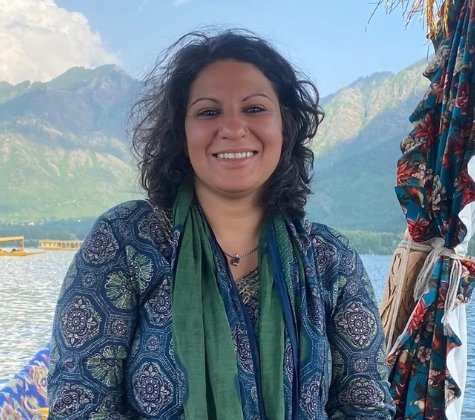
Amita Basra, who is a certified NAMA practitioner of Ayurveda and registered nurse, has seen this change. According to her, the next decade will determine if Ayurveda becomes a permanent part of the American healthcare system or just a trend.
Why More Americans Are Choosing Ayurveda
Chronic stress, disrupted sleep, and inflammatory conditions have pushed people to look beyond a prescription pad for lasting relief. Ayurveda offers a framework built on individual constitution, daily rhythm and food as medicine, rather than a one-size-fits-all protocol. Clients who search for “Amita Basra in Richmond” often arrive after years of managing digestive trouble, hormonal imbalance or fatigue with limited answers from conventional visits alone. What draws them in is not novelty. It is a system that treats the body as connected, not a set of isolated symptoms.
Her background as a Registered Nurse gives this approach an added layer of credibility. She reads lab work, understands medical terminology and knows when a concern needs a physician’s attention. That dual lens, part clinical and part Ayurvedic, is what many first-time clients say they were searching for.
This blend also shapes how she communicates with clients. Instead of dismissing test results or prescriptions, she reviews them alongside Ayurvedic diagnostics like pulse reading and tongue analysis, building a plan that respects both systems. That willingness to work within a client’s existing care team, rather than around it, has become one of the biggest reasons referrals from physicians and therapists keep increasing.
How Ayurveda Is Adapting to American Life
Traditional Ayurveda developed in a different climate, diet and daily schedule than most Americans live with today. For it to take root here, practitioners have had to translate the science without losing its core principles. Here is how that translation happens in practice:
- Dosha assessment adjusted for modern stressors– A Vata-Pitta imbalance driven by screen time and irregular meals looks different from one shaped by seasonal change alone, and treatment plans account for that.
- Herbal formulations sourced for quality and safety– Professional practitioners will verify sourcing and testing criteria because not all herbs meet U.S. quality expectations.
- Diet plans built around available ingredients– Recommendations focus on what a person can actually find at a local grocery store.
- Integration with conventional medicine– Ayurveda works alongside a primary care physician, not in place of one, especially for chronic or serious conditions.
This adaptability is a large part of why demand keeps climbing. People are not rejecting Western medicine; they are asking for tools to support it.
A Simple Guide to Starting an Ayurvedic Practice
For anyone new to this system, the entry point can feel overwhelming. A grounded starting sequence looks like this:
- Get a constitutional assessment– Understanding your dominant dosha, or combination of doshas, shapes every recommendation that follows.
- Start with daily routine, not supplements– Ayurveda places heavy weight on wake time, meal timing and sleep schedule before it reaches for herbs.
- Adjust diet gradually– Small and sustained changes to food choices tend to outperform dramatic overhauls that are hard to maintain.
- Add targeted herbal support if needed– The following stage comes when routine and diet have become stable under the guidance of an expert.
- Track how the body responds– Ayurveda is observational by nature, and progress is measured in energy, digestion and sleep quality over weeks, not days.
Clients based near the Bay Area who look up “Amita Basra in Richmond, California” are frequently seeking exactly this kind of structured, judgment-free starting point rather than a quick fix.
What the Next Decade Looks Like
Basra expects three trends to shape Ayurveda’s growth in America. First, insurance and integrative medicine programs will slowly open doors to Ayurvedic consultations as part of broader wellness coverage. Second, product transparency will become non-negotiable, with consumers demanding sourcing details the way they already do for skincare and supplements. Third, practitioners with clinical training will be sought out more than generalists, as patients want guidance that respects both traditions.
None of this suggests Ayurveda will replace conventional medicine. It suggests a coexistence where each system does what it does best, with practitioners acting as the bridge between them. Wellness centers, corporate health programs and even university health services are beginning to add Ayurvedic consultations to their offerings, a sign that the field is moving well past yoga studios and specialty clinics into everyday healthcare settings.
Conclusion
Ayurveda’s growth in America reflects a genuine demand for personalized and root-cause care. Amita Basra continues to bridge that gap between modern medicine and ancient wisdom for clients across the Bay Area.
Through Kreem Shakti, she offers consultations built on this exact philosophy. Opt for a free assessment call to see how an Ayurvedic approach can support your health goals.


