 WhatsApp Us Now
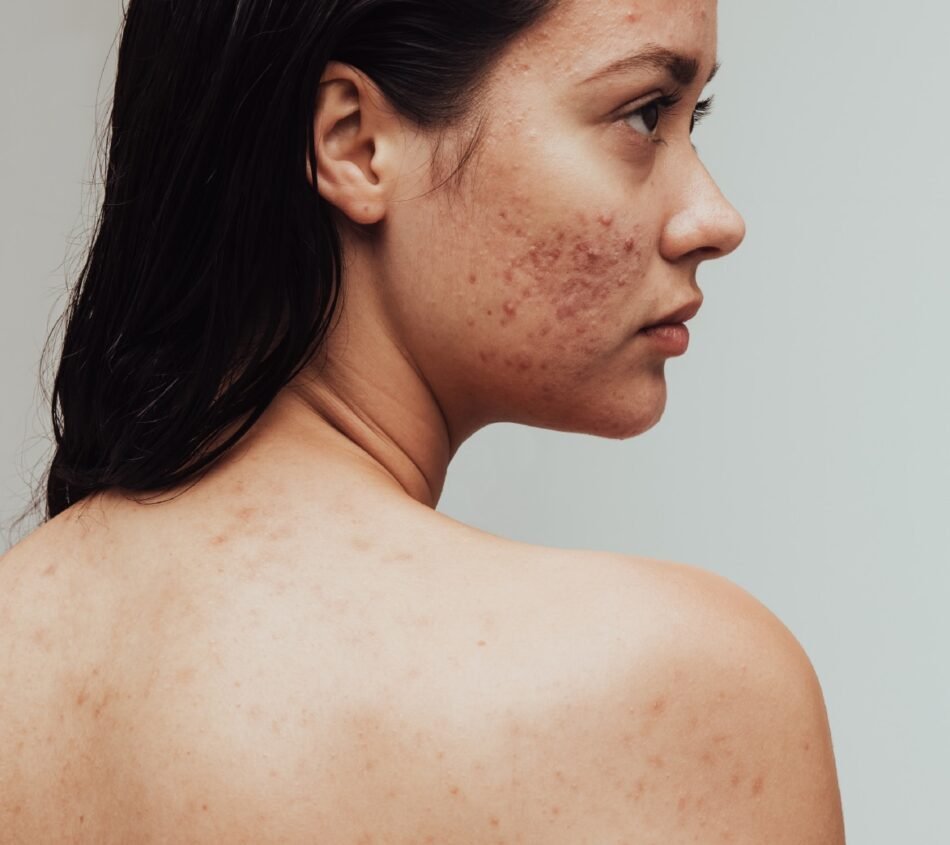
Visible facial scars can affect the smoothness, texture, and overall appearance of the skin, whether they developed from acne, injuries, surgery, or other forms of skin damage. Many people seek professional treatment to make these irregularities less noticeable and restore a more even-looking complexion. Dynamic Life Clinics offers aesthetic treatment options designed around individual skin concerns, while Facial Scar Revision Dubai is commonly considered by people looking to improve the appearance of noticeable scars through targeted skin-rejuvenation approaches. The appropriate treatment depends on the scar type, depth, location, and condition of the surrounding skin.
Understanding Facial Scar Treatment
Facial scar treatment refers to a range of aesthetic procedures designed to improve the visible characteristics of scars rather than simply covering them. Different techniques can target uneven texture, depressed areas, discoloration, or changes in skin surface caused by previous damage. Depending on individual needs, treatment may encourage collagen production, stimulate skin renewal, resurface the affected area, or gradually remodel scar tissue. A personalized approach is important because acne scars, surgical scars, traumatic scars, and pigmentation-related marks can respond differently to treatment.
How Does Facial Scar Treatment Address Visible Skin Scars?
Facial scar treatment addresses visible scars by targeting the specific structural and surface changes that make them noticeable. Depending on the scar, treatment may stimulate collagen production, encourage skin renewal, improve uneven texture, or reduce differences in pigmentation. These processes can gradually soften the appearance of irregular areas and create a more uniform transition between scarred and surrounding skin. Rather than instantly removing a scar, professional treatment focuses on reducing its visibility and improving the overall quality and smoothness of the complexion over time.
Improving Uneven Skin Texture
Texture irregularities are one of the most noticeable characteristics of many facial scars. Depressed acne scars, raised areas, and rough patches can create shadows and uneven reflections across the face, making the skin appear less smooth. Treatments designed for acne scar treatment can encourage skin remodeling and renewal, helping the affected areas gradually appear softer and more refined. As the skin develops healthier tissue and the surface becomes more even, the contrast between the scar and surrounding skin may become less noticeable.
Addressing Acne Scars
Acne scars can vary considerably in appearance, with some creating indentations while others leave behind changes in pigmentation or texture. Facial scar treatments can be selected according to the characteristics of these scars, allowing targeted improvement rather than using the same approach for every individual. By supporting collagen remodeling and skin regeneration, appropriate treatments may help soften uneven areas and improve overall facial texture. The goal is generally to create a smoother-looking complexion while preserving the natural appearance of the face.
Improving Scar Discoloration
Some scars remain visible primarily because they are darker, lighter, or redder than the surrounding skin. Treatment may focus on improving the appearance of these color differences while supporting healthier-looking skin renewal. As pigmentation becomes more balanced and the surrounding complexion becomes more uniform, the visual contrast of the scar can decrease. This can make the affected area appear less prominent and contribute to a more consistent overall skin tone.
Benefits of Facial Scar Treatment
- Helps reduce the visible contrast between scars and surrounding skin.
- Supports smoother and more refined-looking facial texture.
- Can improve the appearance of depressed or uneven scar areas.
- Helps address certain discoloration associated with visible scars.
- Promotes a more balanced and refreshed overall complexion.
Supporting Collagen Remodeling
Collagen plays an important role in maintaining the skin’s structure, firmness, and resilience. Some facial scar treatments work by stimulating controlled skin responses that encourage new collagen formation and remodeling. As this process develops, irregular scar tissue may gradually become softer and better integrated with the surrounding skin. Collagen remodeling is not an instant process, so improvements generally develop progressively as the skin continues its natural repair and regeneration cycle.
Treating Different Types of Facial Scars
The appearance and depth of a scar influence how it may be approached. Atrophic scars can create depressions, hypertrophic scars may appear raised, and certain scars may primarily involve changes in pigmentation. Surgical and traumatic scars can also have different characteristics depending on how the original wound healed. Because these variations affect treatment planning, a professional assessment can help determine which approach is appropriate for the individual scar and the desired improvement.
Skin Renewal and Surface Refinement
Some treatments focus on renewing the outer layers of the skin to create a smoother and more uniform surface. By encouraging the removal or replacement of damaged surface cells, these approaches can help improve roughness, dullness, and uneven texture associated with visible scarring. Skin renewal can also complement deeper remodeling processes by creating a more refined surface appearance. Over time, continued regeneration may contribute to a healthier-looking complexion with less noticeable irregularities.
Additional Skin Improvements
- Helps enhance the overall smoothness of the facial surface.
- Supports more consistent-looking skin texture around scarred areas.
- Can contribute to improved skin clarity and radiance.
- Encourages gradual refinement of visible imperfections.
- Helps create a more harmonious overall complexion.
Factors That Influence Individual Results
Individual results from facial scar treatment can vary according to scar type, depth, age, location, skin condition, and the treatment approach selected. Newly formed scars may behave differently from older, established scars, while deeper textural irregularities may require a different strategy from superficial discoloration. Skin characteristics and the body’s natural healing response can also influence how quickly changes become visible. Professional assessment and appropriate treatment planning are therefore important for setting realistic expectations and selecting an approach suited to the specific scar.
FAQ’s
Can facial scar treatment completely remove visible scars?
Treatment generally focuses on reducing the visibility of scars and improving their texture, color, and overall appearance rather than guaranteeing complete removal.
Can facial scar treatment improve acne scars?
Yes, appropriate treatments can help soften the appearance of acne scars and improve uneven facial texture over time.
Does facial scar treatment help with discoloration?
Certain approaches can address pigmentation differences and help create a more even-looking skin tone.
How does treatment improve scar texture?
Depending on the technique, treatment can encourage collagen remodeling and skin renewal, helping irregular areas appear smoother.
Are all facial scars treated in the same way?
No. Treatment is selected according to factors such as scar type, depth, location, and individual skin characteristics.
Conclusion
Facial scar treatment addresses visible skin scars by targeting the texture, structure, pigmentation, and surface irregularities that make them noticeable. Through approaches that support collagen remodeling, skin renewal, and improved tone, scars can gradually appear softer and more integrated with the surrounding complexion. Facial Scar Revision Dubai can be considered by individuals seeking targeted facial scar reduction treatment to improve visible imperfections and achieve a smoother, more balanced, and healthier-looking appearance.


