 WhatsApp Us Now
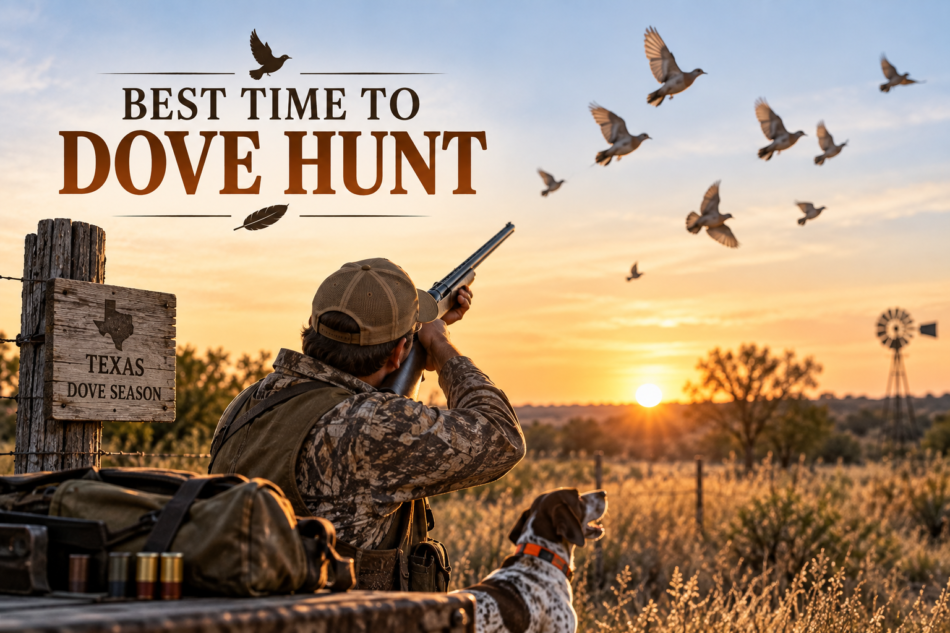
Dove hunting is one of the most popular early-season hunting activities in Texas, attracting both experienced hunters and newcomers looking to enjoy time outdoors. However, choosing the right date is only part of planning a successful hunt. Weather, dove movement, habitat, food sources, and even the time of day can influence how much activity you see in the field.
For anyone wondering about the best time to dove hunt, it helps to look beyond the calendar. Understanding seasonal patterns and preparing around bird movement can make a significant difference. At the same time, hunters planning their first trip often ask, when does dove season start in Texas? Knowing the official season dates, zone boundaries, and applicable regulations is an essential first step.
When Does Dove Season Start in Texas?
For the 2026–27 hunting season, Texas dove season opens on September 1, 2026, in all three regular dove zones. However, the closing and second-season dates differ by zone.
The regular season dates are:
- North Zone: September 1–November 8, 2026, followed by December 18, 2026–January 7, 2027. This gives hunters a longer first segment before the winter reopening.
- Central Zone: September 1–October 25, 2026, followed by December 11, 2026–January 14, 2027. Hunters in this zone should plan around the shorter fall segment and the later winter opportunity.
- South Zone: September 1–October 25, 2026, followed by December 18, 2026–January 21, 2027. The 2026–27 season includes an earlier September 1 opening in the South Zone.
These dates are a useful starting point, but hunters should always check the current Texas Parks & Wildlife Department regulations for their specific county before heading into the field.
What Is the Best Time to Dove Hunt?
The best time to dove hunt depends heavily on local conditions and bird movement. Rather than assuming one particular date will always produce excellent results, hunters can improve their chances by observing where doves are feeding, watering, and traveling.
Early September can be particularly appealing because it coincides with the opening of the regular Texas dove season and often provides opportunities to observe active bird movement. However, conditions can vary significantly from one property to another.
A good hunting location with reliable food and water can be more important than simply choosing the opening day.
Why Location Matters So Much
Doves tend to move between feeding, watering, and roosting areas. Identifying these travel patterns before the hunt can help hunters choose better stand locations.
Look for areas where multiple habitat features come together. Agricultural fields, harvested crops, grasslands, water sources, and nearby roosting cover can all influence dove activity.
Before hunting, spend some time observing the property rather than immediately selecting a position. Watching where birds are flying and identifying frequently used routes can provide useful information for planning the hunt.
How Weather Can Affect Dove Activity
Weather is another important consideration when determining when to hunt. Temperature, wind, rainfall, and changing weather patterns can influence dove movement.
Moderate conditions may encourage birds to move between feeding and watering areas, while extreme weather can change their behavior. Wind direction can also affect flight paths, making some areas more productive than others.
Hunters should therefore check the forecast before heading out and remain prepared for changing Texas weather.
Morning or Afternoon Hunting
The time of day can also affect the experience. Many hunters pay close attention to periods when doves are moving between feeding and watering locations.
Morning hunts can provide opportunities as birds leave roosting areas and begin moving toward feeding locations. Afternoon and evening periods may also produce movement as birds travel toward water or return toward roosting areas.
Instead of assuming that one time is universally better, hunters should consider the specific property’s food, water, cover, and observed flight patterns.
Preparing for a Successful Dove Hunt
Good preparation can make a hunting trip more comfortable and organized. Before the season begins, take time to understand both the regulations and the property.
Important preparation steps include:
- Scout the property: Visit the hunting area before the trip and look for food sources, water, cover, and active flight paths. Scouting helps you understand how birds are using the property and allows you to choose suitable locations without relying entirely on guesswork.
- Check current regulations: Texas dove hunters need a valid hunting license, Migratory Game Bird Endorsement, and HIP certification. Hunters born after September 1, 1971, must also meet Texas hunter education requirements unless an applicable exemption applies.
- Prepare suitable clothing: September weather in Texas can be warm, so lightweight and breathable clothing can make a long day outdoors more comfortable. Neutral or field-appropriate colors can also help hunters blend naturally into the surroundings.
- Bring essential supplies: Water, snacks, eye and hearing protection, appropriate field gear, navigation tools, and other personal necessities can make the outing safer and more enjoyable. Preparing these items in advance reduces unnecessary distractions once you arrive.
Understanding Bag Limits and Shooting Hours
Regulations are an important part of responsible dove hunting. For the 2026–27 regular season, Texas lists a daily bag limit of 15 mourning, white-winged, and white-tipped doves in the aggregate, with no more than two white-tipped doves. The possession limit is three times the daily bag limit.
Legal shooting hours are generally from one-half hour before sunrise until sunset. County-specific regulations should still be checked before every hunt because additional restrictions can apply in particular locations.
Responsible hunters should also understand species identification, property boundaries, and all applicable state and federal migratory bird regulations.
Choosing the Right Hunting Experience
For hunters who want a more organized experience, professionally managed hunting properties and guided dove hunts can simplify the planning process. These options may provide access to productive habitat, prepared fields, knowledgeable guides, and established hunting arrangements.
A guided experience can be especially useful for newcomers who are still learning how to identify productive areas and understand the practical aspects of dove hunting in Texas.
Experienced hunters can also benefit from professionally managed properties because they may provide access to well-maintained habitat and established hunting opportunities.
Common Mistakes to Avoid
One of the biggest mistakes is focusing exclusively on the opening date without considering actual bird activity. Opening day can be exciting, but a good hunt still depends on habitat, weather, scouting, and local conditions.
Another mistake is failing to verify regulations. Season dates, zone boundaries, licensing requirements, bag limits, and other rules should be confirmed using current official sources before every season.
Finally, avoid overlooking comfort and safety. Long hours outdoors in warm weather require adequate hydration, appropriate clothing, and responsible field practices.
Conclusion
Knowing when does dove season start in Texas is an important part of planning, but the calendar alone does not determine the quality of a hunt. Understanding habitat, weather, bird movement, scouting opportunities, and legal requirements can help hunters make better decisions.
If you’re trying to determine the best time to dove hunt, start by checking the official season dates for your zone and then study the conditions on the property you plan to hunt. A combination of preparation, observation, responsible practices, and the right location can make your Texas dove hunting experience more enjoyable and rewarding.
Ready to plan your next Texas dove hunt? Start by checking the current regulations, scouting potential hunting areas, and preparing your equipment well before the season. If you prefer a professionally organized experience, explore reputable Texas hunting properties and outfitters to find a hunt that matches your schedule, experience level, and outdoor goals.


