 WhatsApp Us Now
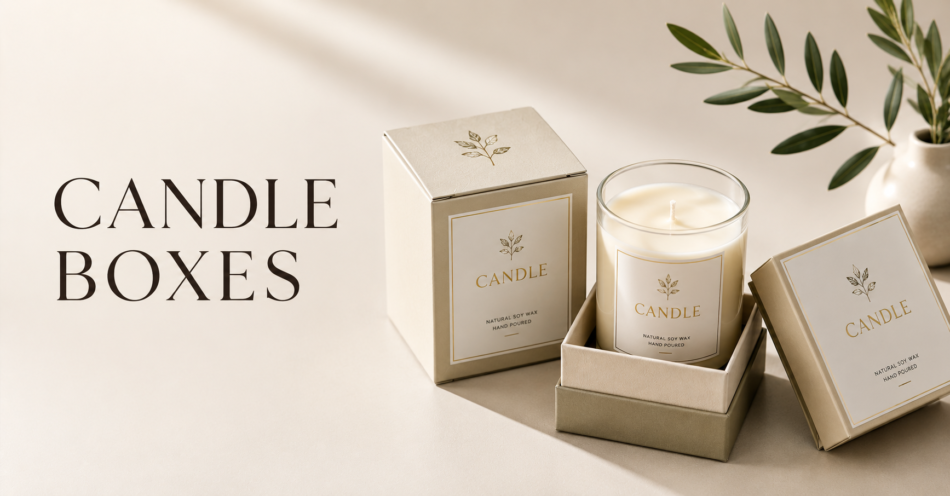
A candle brand owner told me she almost gave up on switching to eco friendly packaging after her first attempt looked noticeably cheaper than her original boxes. The recycled material she’d chosen felt thin, the print looked slightly duller than before, and she worried it would undercut the premium feel she’d spent months building for her brand. She nearly went back to her original supplier before someone pointed out she’d simply picked the wrong specific material rather than sustainability being the actual problem. A different recycled option, slightly heavier with a better coating, solved it completely.
That distinction matters more than people realize going in. Sustainable candle packaging isn’t automatically lower quality or less premium looking. It just requires knowing which specific materials and finishes actually deliver both, rather than assuming any eco friendly label guarantees the same result.
Why Candles Attract Sustainability Conscious Buyers Specifically
Candles sit in an interesting spot when it comes to customer expectations around sustainability. A meaningful share of candle buyers already care about natural ingredients, soy or beeswax over paraffin, clean burning wicks, that sort of thing. That existing mindset tends to carry over naturally into how they think about the packaging surrounding the product too.
This creates a real opportunity for candle brands specifically, more so than in a lot of other product categories, since the customer base is already primed to notice and appreciate sustainability efforts rather than needing to be convinced it matters at all. A candle brand that gets this right isn’t just checking a box. It’s speaking directly to something a significant portion of its actual customers already care about.
Material Choices That Balance Both Goals
Recycled kraft board remains one of the more accessible starting points, and when sourced from a supplier using higher quality recycled fiber blended with some virgin content for added strength, it can look genuinely premium rather than cheap or thin. The natural, slightly textured appearance actually works in favor of a lot of candle brands, since it visually reinforces a handmade, natural product story that pairs well with soy or beeswax candles specifically.
FSC certified virgin board offers a different route toward sustainability credentials without changing the visual or structural properties much at all compared to standard packaging. This tends to suit candle brands wanting a cleaner, more polished look while still being able to point to a genuine, verifiable sustainability certification on the packaging itself.
Soy based inks and water based coatings reduce environmental impact during the printing process itself, an aspect of sustainability that’s easy to overlook since it doesn’t show up as obviously as the board material choice, but it matters for brands wanting to address their environmental footprint more comprehensively rather than focusing solely on the box material.
Minimal or reduced coating approaches, skipping unnecessary plastic lamination where it isn’t structurally needed, can improve recyclability significantly, though this needs to be balanced carefully against the fragility and weight concerns that candle boxes specifically face, given how heavy filled candle jars tend to be compared to lighter products.
This candle boxes page includes material options across different sustainability profiles, useful for comparing what’s genuinely available without assuming every eco friendly option performs or looks identical.
Avoiding the Trap of Looking Cheaper
The core challenge with sustainable candle packaging isn’t really about environmental impact at all. It’s about avoiding the perception that eco friendly automatically means lower quality, since candles are frequently sold as a small luxury or gift item where perceived value genuinely matters to the purchase decision.
Choosing a slightly heavier recycled board rather than the thinnest available option tends to prevent that flimsy feeling that can undercut a premium positioning. Print quality matters just as much on sustainable material as it does on any other option, and cutting corners on printing specifically to save costs on an already more expensive sustainable material tends to create exactly the underwhelming result that pushed that brand owner to almost abandon the switch entirely.
Finishes like a subtle matte coating or minimal foil accents can still be applied to more sustainable board options in many cases, allowing a brand to maintain a premium feel while still improving its overall environmental profile rather than having to choose one or the other entirely.
Communicating Sustainability Without Overselling It
Being specific about what’s actually changed tends to build more trust than vague, broad claims. Mentioning the actual recycled content percentage, a specific certification like FSC, or the use of soy based inks gives customers something concrete to evaluate rather than a generic eco friendly label that doesn’t really tell them anything verifiable.
Candle buyers who specifically care about this topic often research more carefully than businesses expect, and overstating environmental benefits, or using sustainability language that doesn’t hold up to a closer look, can damage trust more than simply not mentioning it at all would have.
Learn More: pressbulletin
Common Mistakes When Making the Switch
Choosing the cheapest available recycled material without considering how it actually feels and looks compared to the original packaging tends to be the most common misstep, often resulting in exactly the underwhelming, less premium impression that undermines the whole effort.
Cutting corners on print quality specifically because the material itself already cost more can compound the problem, creating packaging that looks noticeably worse on two fronts at once rather than just accepting a slightly higher cost for a result that actually maintains the brand’s existing quality standard.
Overpromising on sustainability credentials without being able to back them up with something specific and verifiable risks damaging trust with exactly the customer segment most likely to notice and care about the details.
Assuming a single sustainable material choice needs to apply uniformly across an entire product line, rather than testing which specific combination of material and finish actually works best for a particular brand’s aesthetic, can lead to unnecessary compromises that a bit more testing would have avoided.
Final Thoughts
Sustainable candle boxes don’t have to mean a step down in how premium or polished a brand’s packaging looks and feels. The mistake most businesses make isn’t pursuing sustainability itself, it’s settling for the first eco friendly option available without testing whether it actually holds up visually and structurally compared to what came before. Taking the time to find the right combination of recycled or certified material, appropriate finishing, and honest, specific messaging tends to result in packaging that genuinely satisfies both goals rather than forcing a trade off between them.


