 WhatsApp Us Now
Crooked or crowded teeth can affect more than the appearance of your smile. They may also make brushing and flossing more difficult and, in some cases, affect how your teeth come together when you bite. For people who want a more discreet way to improve tooth alignment, Aligners Dubai offers a modern alternative to traditional braces. Clear aligners are designed to gradually move teeth into better positions while remaining subtle during everyday activities.
How Invisible Aligners Correct Crooked Teeth
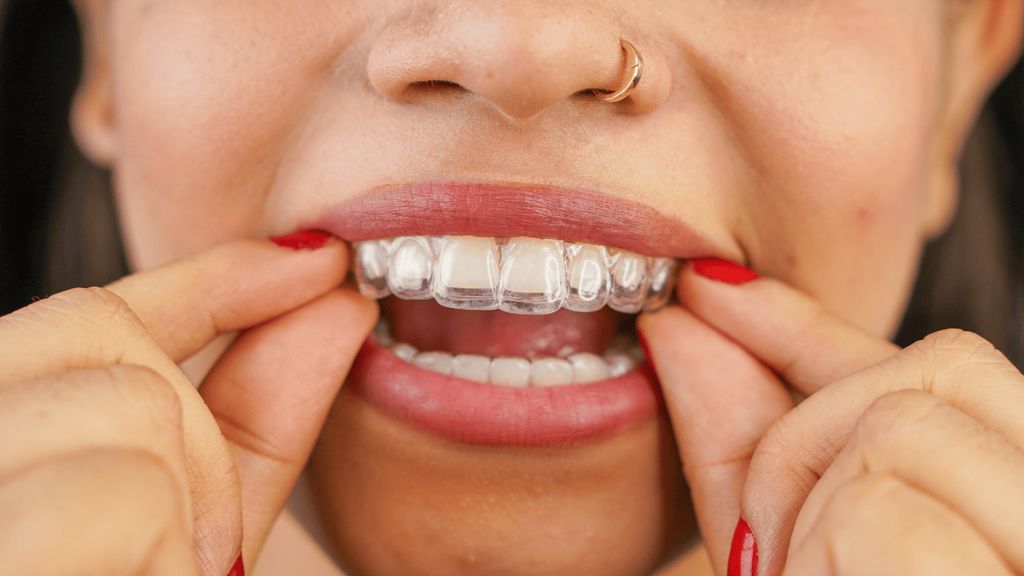
Invisible aligners are a series of custom-made, transparent trays that fit over the teeth. Each set applies gentle, controlled pressure to specific teeth, gradually guiding them toward their planned positions.
Unlike traditional braces, clear aligners do not rely on metal brackets and wires. Instead, the trays are replaced according to the treatment plan as the teeth progressively move.
The process generally begins with a dental assessment. Your dentist evaluates your teeth, bite, and alignment before determining whether clear aligner treatment is appropriate for your needs. Digital scans or impressions may then be used to create customized trays and map out the expected movement of your teeth.
Because every smile is different, the number of aligners and overall treatment duration can vary. Mild to moderate alignment concerns are often suitable for clear aligners, while more complex cases may require another orthodontic approach.
Why Choose Clear Aligners for Crooked Teeth?
One of the biggest advantages of clear aligners is their discreet appearance. The transparent trays are designed to blend with the natural color of your teeth, making them much less noticeable than conventional braces.
This can be particularly appealing to adults and professionals who want to improve their smiles without drawing attention to orthodontic treatment.
Other potential advantages include:
- Discreet appearance: Clear trays are difficult to notice during normal conversations.
- Removable design: Aligners can generally be removed for eating, brushing, and flossing.
- Easier oral hygiene: Removing the trays allows you to clean your teeth without working around brackets and wires.
- Customized fit: Each tray is produced to fit your teeth and planned movement.
- Greater everyday convenience: There are no metal brackets that can rub against the inside of your cheeks.
- Predictable planning: Digital treatment planning can help visualize the intended movement of the teeth.
The convenience of removable trays does require responsibility. Aligners need to be worn as directed by your dental professional for the treatment to progress effectively.
What Dental Problems Can Invisible Aligners Address?
Clear aligners are commonly used for several types of tooth alignment problems. Their suitability depends on the severity and characteristics of the individual case.
They may be considered for concerns such as:
- Crowded teeth: When teeth overlap or do not have enough room within the dental arch.
- Gaps between teeth: Spaces can sometimes be gradually reduced through planned tooth movement.
- Crooked teeth: Teeth that have shifted out of their ideal position may be repositioned.
- Certain bite problems: Some mild bite irregularities may be improved with carefully planned orthodontic movement.
- Teeth that have shifted after braces: In some situations, aligners can help address minor orthodontic relapse.
It is important to understand that invisible aligners are not suitable for every orthodontic problem. Severe rotations, significant jaw discrepancies, impacted teeth, or complex bite issues may require alternative treatment. A professional examination is the best way to determine which option is appropriate.
What to Expect During Aligner Treatment
Starting clear aligner treatment involves more than simply receiving a set of transparent trays. Your dentist needs to assess your oral health and develop a treatment plan based on your specific alignment concerns.
The process may include the following stages:
Initial Assessment
Your dentist examines your teeth and gums and evaluates your bite. Existing cavities, gum problems, or other dental concerns may need to be addressed before orthodontic treatment begins.
Digital Planning
A digital scan or dental impression can be used to create a detailed representation of your teeth. The information helps your dental professional plan how individual teeth should move throughout treatment.
Receiving Your Aligners
Once the trays are prepared, you receive instructions on how to wear and care for them. Each aligner is designed for a particular stage of tooth movement.
Progress Monitoring
Follow-up appointments allow your dentist to monitor your progress and determine whether your teeth are moving according to plan. Adjustments may be made when necessary.
Retention After Treatment
Once the desired alignment has been achieved, retainers are usually important for maintaining the result. Teeth can naturally shift over time, so following your dentist’s retention instructions can help preserve your improved alignment.
How to Get the Best Results from Invisible Aligners
The effectiveness of clear aligner treatment depends partly on how consistently the trays are used. Since they are removable, forgetting to wear them regularly can interfere with the planned tooth movement.
Good habits can make the treatment experience smoother:
- Wear your aligners for the amount of time recommended by your dentist.
- Remove them when eating if instructed to do so.
- Clean the trays regularly using the recommended method.
- Brush and floss your teeth before putting the aligners back in whenever possible.
- Keep your aligners in their protective case when they are not being worn.
- Attend scheduled dental checkups so your progress can be evaluated.
- Follow instructions carefully when moving from one aligner to the next.
Maintaining good oral hygiene is especially important during treatment. Food debris and plaque can become trapped around the teeth if cleaning is neglected, increasing the risk of dental problems.
Why Professional Guidance Matters
Although clear aligners may look simple, tooth movement is a biological process that needs appropriate planning. Using unsuitable trays or attempting unsupervised orthodontic treatment can lead to unwanted tooth movement or bite changes.
A qualified dental professional can determine whether aligners are appropriate for your condition and monitor your progress throughout treatment. This is particularly important when crooked teeth are accompanied by crowding, bite problems, gum concerns, or previous orthodontic treatment.
Professional supervision also helps ensure that the treatment focuses on both appearance and function. The goal is not simply to make teeth look straighter but to achieve a healthy, stable alignment that works with your bite.
Frequently Asked Questions
1. Are invisible aligners suitable for all crooked teeth?
No. Clear aligners can correct many mild to moderate alignment concerns, but they are not suitable for every case. Complex orthodontic problems may require traditional braces or another specialized treatment.
2. Are clear aligners noticeable when speaking?
Clear aligners are designed to be discreet and are generally much less visible than metal braces. Some people may experience a short adjustment period when they first begin wearing them.
3. Can I eat while wearing invisible aligners?
In most cases, aligners are removed while eating. Your dentist can provide specific instructions based on your treatment plan and the type of aligners you receive.
4. Will my teeth stay straight after aligner treatment?
Teeth can naturally shift after orthodontic treatment. Retainers are commonly recommended to help maintain the new alignment, and wearing them according to your dentist’s instructions is important for long-term results.
Conclusion
Crooked teeth do not necessarily mean you need to live with visible metal braces. With carefully planned clear aligners, many people can improve tooth alignment through a discreet and convenient approach. If you are considering Aligners treatment, a professional dental assessment can help determine whether this option is suitable for your smile and what type of result can realistically be achieved. Taking the right approach from the beginning can help you work toward a straighter, healthier-looking smile with confidence.


