 WhatsApp Us Now
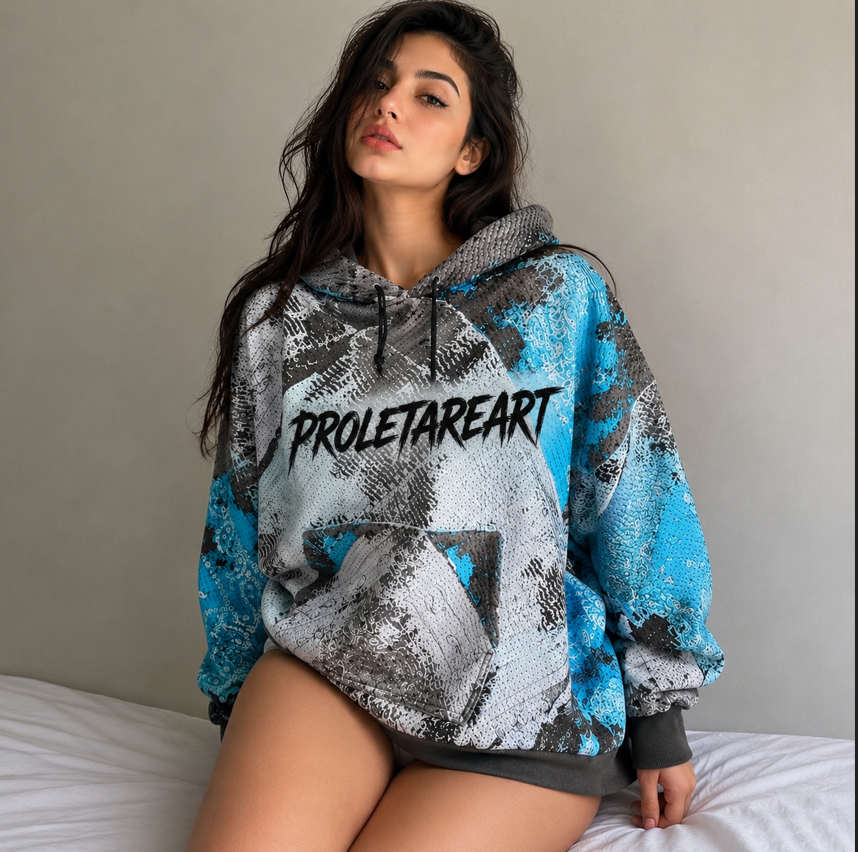
Art gives people a way to share ideas, emotions, memories, and personal views without always relying on words. A painting can create a mood, while a sculpture can raise questions about identity, culture, or everyday life. Modern artists often mix familiar forms with personal ideas to create work that feels different from traditional art.PROLETA RE ART can be viewed as a creative concept connected with personal expression, visual style, and modern artistic thinking. It invites people to look at art from a personal point of view rather than following one fixed set of rules. Color, shape, texture, clothing, objects, and social ideas can all become part of an artistic statement.For people in the United States who enjoy contemporary art, this style offers an interesting way to think about how creativity appears in daily life. It can be found in galleries, independent studios, fashion, photography, design, and online creative communities.
What Does Proleta Re Art Mean?
The meaning of an artistic style often depends on how the viewer understands the work. Rather than giving every piece one fixed meaning, artists can leave room for personal interpretation.
Art Based on Personal Ideas
Personal experience plays a major role in creative work. An artist may use memories, emotions, surroundings, or cultural references as starting points. The final piece can then become a visual record of those ideas.
This approach allows viewers to connect with artwork in different ways. One person may focus on color, while another may pay attention to the story behind an image. Both reactions can be valid.
A Mix of Visual Elements
Proleta Re Art can be understood through the use of different visual elements. Strong shapes, unusual layouts, hand-drawn details, simple forms, layered images, and bold contrasts may all appear in modern creative work.
There does not need to be one formula. The freedom to combine elements gives artists space to develop a personal visual language.
Meaning Beyond Appearance
Good art can make people pause and think. The subject may look simple at first, but small details can suggest a deeper idea. An ordinary object can represent memory, social life, freedom, change, or personal identity.
This makes artistic expression more than decoration. It becomes a way to communicate something that may be difficult to say directly.
The Role of Color in Artistic Expression
Color can change the feeling of an artwork within seconds. Warm shades can create energy and comfort, while darker tones can produce a quiet or serious mood. Neutral colors can give a piece a calm appearance and allow shapes or details to receive more attention.
Bold Color Choices
Some artists use strong color combinations to make their work noticeable. Bright red beside deep blue, for example, can create tension. Yellow and black may create a sharp visual contrast.
The purpose is not always to make artwork look cheerful. Color can also create confusion, drama, tension, or mystery.
Limited Color Palettes
A small color selection can create a completely different effect. Black, white, gray, and one additional shade can give artwork a clean and focused appearance.
A limited palette can also help viewers pay attention to form, texture, lines, and composition rather than being distracted by too many colors.
Color as a Personal Language
Artists often develop personal habits with color. One creator may repeatedly use soft shades, while another may prefer strong contrasts. Over time, these choices can become part of that artist’s recognizable style.
For viewers, noticing these choices can make looking at art more rewarding.
Shape, Texture, and Composition
Art is not only about what is shown. It is also about how different parts are arranged. Shape, texture, space, and proportion can affect the way a viewer reads a piece.
The Power of Simple Shapes
Circles, squares, lines, and abstract forms can communicate ideas without showing a clear object. A group of repeated shapes may suggest order, while uneven forms may create a feeling of movement or uncertainty.
Simple shapes can also make artwork easier to understand at first glance while leaving room for deeper interpretation.
Texture Adds Character
Texture gives a piece a sense of surface. Rough marks can feel raw and handmade. Smooth surfaces may feel calm and controlled. Layered materials can add depth and create visual interest.
Texture can be produced through paint, fabric, paper, photography, digital methods, or found materials.
Using Empty Space
Empty space is also part of an artwork. A large open area can give the viewer room to focus on one subject. A crowded composition can create energy or pressure.
The relationship between filled and empty areas often affects the mood of the entire piece.
Proleta Re Art and Modern Creative Culture
Modern art does not exist only inside museums. Creative expression can be found in clothing, posters, album covers, photography, graphic design, interior spaces, and social media.
Art and Fashion
Fashion has a close relationship with visual art. Clothing can use unusual graphics, printed images, experimental shapes, or symbolic details. A jacket, hoodie, shirt, or pair of pants can become part of a larger visual statement.
This connection gives people a chance to interact with art in everyday settings. Instead of viewing a piece on a gallery wall, they may wear or carry a design that reflects an artistic idea.
Art in Photography
Photography also gives artists many ways to express ideas. Lighting, framing, location, clothing, body language, and editing can change the meaning of an image.
A simple photograph can become more expressive when the photographer carefully chooses what appears inside and outside the frame.
Art in Online Spaces
The internet has made it easier for artists to share their work with people in different places. Social platforms allow drawings, paintings, digital artwork, photography, and mixed-media projects to reach viewers without requiring a physical gallery.
For emerging creators, this can create a direct connection with audiences and other artists.
Finding Your Own Artistic Style
A personal style does not appear overnight. It often develops through practice, observation, experimentation, and repeated creative work.
Start With What You Like
Think about the colors, images, subjects, and materials that naturally attract your attention. You may enjoy old photographs, street scenes, abstract paintings, nature, architecture, music, or clothing.
These interests can provide useful starting points for your own work.
Try Different Methods
Artists can work with pencils, paint, ink, fabric, photography, digital tools, clay, collage, or found materials. Trying different methods can reveal which ones feel most natural.
There is no need to master everything. The goal is to discover what helps you communicate your ideas clearly.
Keep Practicing
Regular practice helps artists become more comfortable with their choices. Not every piece will feel successful, and that is normal. Some attempts may teach more than finished pieces.
Saving older work can also help you see how your style changes over time.
How to Appreciate Contemporary Artistic Work
You do not need formal art training to enjoy modern art. A curious attitude can be enough.
Look Before Reading
When viewing a piece, spend a little time looking at it before reading its description. Notice the colors, shapes, subject, size, and overall mood.
Ask yourself what you see first and what catches your attention.
Think About the Artist’s Choices
Consider why certain colors, materials, or objects might have been used. Think about how changing one part could affect the whole piece.
This type of observation can make an artwork feel more personal and understandable.
Accept Different Interpretations
Two people can look at the same artwork and reach different conclusions. That does not mean one person is automatically wrong.
Art can hold several meanings at the same time. Personal background and life experience naturally influence how people respond to creative work.
Building a Personal Connection With Art
Art becomes more meaningful when people connect it with their own lives. A photograph may remind someone of home. A painting may bring back a childhood memory. A design may represent a personal belief or feeling.
Proleta Re Art can be approached in this same way. Instead of asking only what an artwork is supposed to mean, viewers can ask what it means to them.
This personal response is one of the most enjoyable parts of art. It allows people to form connections without needing the same background as the artist.
Art can also encourage people to notice details in everyday life. A wall, building, old sign, piece of clothing, or passing scene can become a source of creative inspiration. Paying attention to these small details can change the way we see familiar surroundings.
Why Artistic Expression Still Matters
People have always used creative work to communicate. Art records personal stories, reflects social conditions, preserves memories, and gives people space to question the world around them.
Modern artistic styles continue this tradition while using new materials and new forms of communication.
For American audiences, contemporary art can be especially broad because the country’s creative culture includes many backgrounds, regions, communities, and artistic traditions. This creates room for different voices and personal styles.
The value of art does not depend only on price, fame, or gallery space. A small drawing made at home can carry deep personal meaning. A large public artwork can bring people together. A piece of clothing can communicate an idea without a spoken message.
That range is what makes creative expression such a lasting part of human culture.
Frequently Asked Questions
What is Proleta Re Art?
Proleta Re Art can be understood as a modern creative concept centered on artistic expression, personal style, visual ideas, and individual interpretation.
Is Proleta Re Art a specific art movement?
The term can be used to describe a creative approach, but its meaning may vary depending on the artist, project, or context in which it appears.
Can beginners create art in this style?
Yes. Beginners can start with simple materials and subjects. Drawing, photography, collage, painting, and digital design can all provide ways to develop personal ideas.
Why are color and shape important in modern art?
Color and shape affect mood, attention, balance, and meaning. Even simple choices can change how a viewer responds to an artwork.
How can I develop my own artistic style?
Start by studying the art you enjoy, practice often, try different materials, and pay attention to the choices you naturally repeat. Over time, these habits can become part of your personal style.
Final Thoughts
Art gives people the freedom to communicate in ways that words cannot always achieve. Through color, shape, texture, photography, fashion, and design, creators can share personal experiences and ideas with others.
PROLETA RE ART offers a useful way to think about this form of expression. Its appeal comes from the idea that art does not have to follow one strict formula. A personal approach can be just as meaningful as a traditional method.
For anyone interested in contemporary creativity, the best place to start is simple: look closely, stay curious, and pay attention to the ideas that speak to you. Artistic style grows through observation and practice, and every creator has the chance to develop a visual voice of their own.


