 WhatsApp Us Now
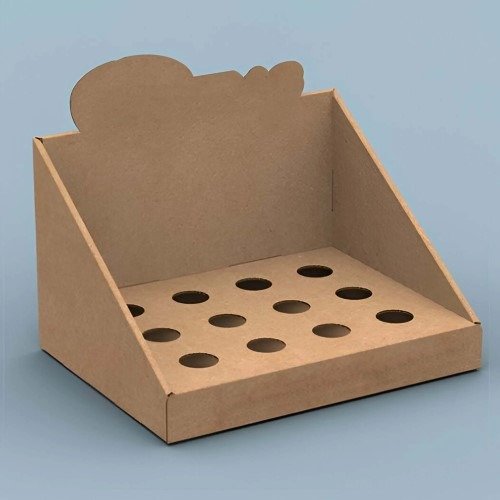
There’s a specific kind of packaging that isn’t really trying to protect anything, not primarily anyway. It’s trying to get noticed. You’ve walked past it a hundred times without clocking it as its own category – the little cardboard stand at the end of an aisle, the tray of snack bars propped up near the checkout, the counter display holding lip balm next to the register. That’s display packaging, and it’s doing a completely different job than the box your online order shows up in.
I only really started paying attention to it after watching someone grab a product off a display stand purely because it was at eye level and everything around it wasn’t. No sales pitch, no discount sticker, just position and visibility. That’s the entire point of the category, and once you notice it, you start seeing it everywhere.
What This Packaging Is Actually For
Most packaging exists to get a product from a warehouse to a customer’s hands in one piece. Display packaging has a different job description. It’s built to sit somewhere – a shelf edge, a counter, a floor stands – and pull attention toward whatever’s sitting in it. Protection still matters, sure, but it’s secondary. The primary function is closer to advertising than shipping.
That distinction shapes everything about how these boxes get designed. A shipping box hides in a warehouse until it’s opened. A display box is built to be seen constantly, by everyone walking past it, for as long as it’s sitting out. So the printing, the structure, even the way it folds together all get built around that visibility instead of around stacking efficiently in a truck.
Why Brands Bother with It
Shelf space is genuinely one of the more brutal competitions in retail. A product sitting flat on a shelf, surrounded by a dozen others in similar packaging, has to fight for a fraction of a second of someone’s attention. Display packaging tilts that fight in a brand’s favor by physically separating the product from the noise around it.
There’s a retail term for this retail theater and it captures the idea pretty well. A well-placed display isn’t just holding product; it’s staging a small performance for whoever walks by. Brands lean on it because it works better than most other cheap interventions available to them. A price cut helps for a week. A display that gets a product elevated above eye-line clutter can keep working for months.
It also solves a problem smaller or newer brands run into constantly – not having the negotiating power to land premium shelf placement. A countertop displays near checkout, or a floor stand at an endcap, can buy visibility that a brand couldn’t otherwise afford through shelf positioning alone.
The Main Types You’ll Run Into
Counter Displays These are the small ones, sized to sit on a checkout counter or a register area without taking up much room. They’re common for impulse-buy items – candy, small skincare products, phone accessories – things people weren’t planning to grab but will if it’s right in front of them.
Floor Displays Bigger, freestanding, usually holding a larger volume of product. These go in high-traffic zones like store entrances or aisle ends, and they’re built sturdier since they need to hold their shape unsupported for weeks at a time.
Dump Bins Loosely structured, almost casual-looking, meant to hold products in bulk without a lot of organization – think clearance bins or seasonal item drops. The lack of polish is sort of the point; it signals a deal rather than a curated selection.
Pallet Displays Built directly on top of a shipping pallet so the same unit that moves product through the warehouse becomes the in-store display with minimal extra handling. Big retailers use these constantly for promotional pushes since they cut out a step between shipping and shelf.
Tray and Riser Displays Smaller, flatter setups that raise product slightly above shelf level, often used alongside existing shelving rather than as a standalone unit. A simple paper display box in this format can lift a product just enough to separate it visually from what’s sitting flat around it, without needing a full standalone structure.
What Actually Makes One Work
A display that just looks nice but collapses under its own product weight after two weeks isn’t doing its job, so structural reliability matters more here than people usually assume walking in. The materials have to hold up under repeated handling, since customers are going to pick items up and put them back constantly.
Beyond that, a few things tend to separate displays that perform from ones that just sit there ignored:
- Sightline height. Anything below waist level or above head height loses most of its impact, no matter how good the design is.
- Restraint in messaging. A display crammed with text reads as clutter, not information. The product itself should be doing most of the visual work.
- Consistent branding. Color, logo placement, and typography need to match what’s already familiar from packaging or advertising, or the display just looks like a stranger on the shelf.
- Easy restocking. If a store employee has to fight the structure to refill it, it stops getting refilled, and an empty display is worse than no display at all.
Design Tips Worth Actually Following
Keep the structure simple enough to assemble in under a minute. Retail staff aren’t going to spend fifteen minutes wrestling with tabs and slots, and a display that never gets set up never earns its cost.
Design for the empty state, not just the full one. Displays run low constantly, and a half-empty one still needs to look intentional rather than picked-over. Solid color blocking and clear branding tend to hold up better under that condition than busy, photo-heavy designs.
Think about the material’s own texture as part of the design, not just a surface to print on. A slightly raw, uncoated finish can read as more approachable for something like a bakery item, while a glossier laminate suits something positioned as higher-end. The material is communicating something whether or not a brand plans for it to.
Test it in an actual store environment before committing to a full print run. Something that looks sharp in a design mockup can disappear completely once it’s sitting under fluorescent lighting next to ten competitors. A cheap prototype run catches that problem before it becomes an expensive one.
Conclusion
Retailers have gotten pickier about what they’ll allow on their floor space, partly because so much display packaging ends up as waste within weeks of a promotion ending. That’s pushed more brands toward recyclable, single-material builds instead of the mixed plastic-and-cardboard combinations that used to be standard. It’s a small shift, but it’s changing how these displays get engineered from the start, not just how they get disposed of afterward.
Display packaging isn’t going anywhere as long as physical retail exists, but the version of it that survives the next few years is probably going to look a little different – lighter, simpler, easier to recycle, and built around the assumption that a store manager somewhere is going to have to unfold, assemble, restock, and eventually break it down without much patience for anything complicated.


