 WhatsApp Us Now
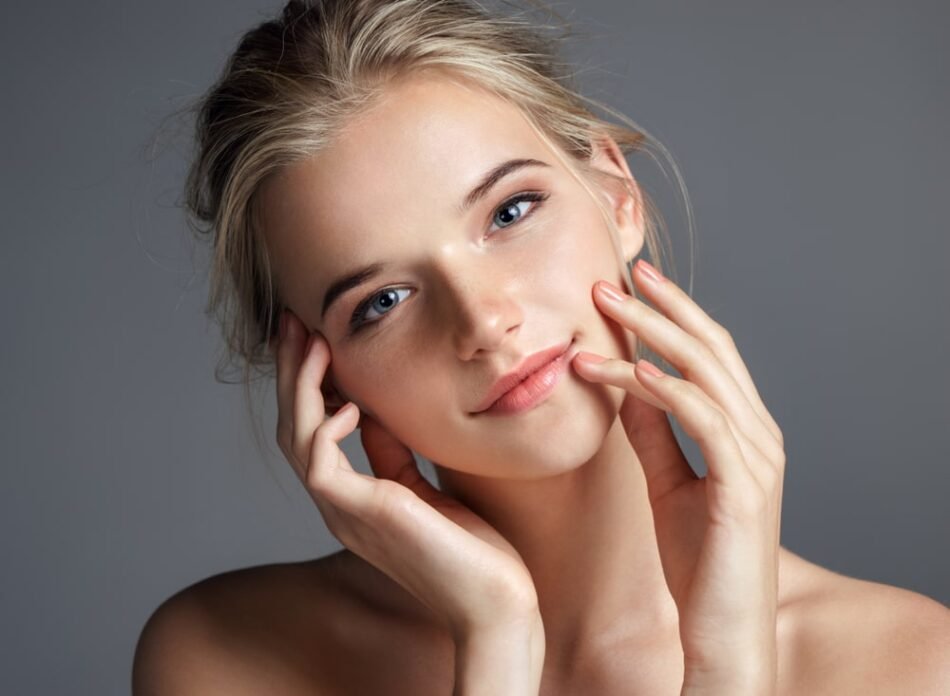
During Skin Toning Treatment, the skin is first assessed to identify areas of uneven pigmentation, dark spots, discoloration, or dullness. The treatment method is then selected according to the individual’s skin type and concerns. Depending on the approach, the procedure may involve laser or light-based technology, a chemical peel, or another dermatological technique. People considering توحيد لون البشرة في دبي can receive a professional assessment before treatment.
Skin Assessment:
The process usually begins with an examination of the skin. The practitioner evaluates the skin tone, pigmentation, sensitivity, and areas requiring treatment.
This helps determine whether skin toning is appropriate and which technique may provide the most suitable results.
Skin Preparation:
The treatment area is typically cleansed to remove makeup, oil, and other impurities. Depending on the procedure, additional preparation may be required.
For laser or light-based treatment, protective eyewear is generally used to protect the eyes from the treatment energy.
Application Of The Treatment:
The exact procedure depends on the selected method.
For laser or light-based treatment, the device delivers controlled energy to targeted areas of pigmentation. For a chemical peel, an appropriate solution is carefully applied to the skin for a controlled period before being removed or neutralized as required.
What Does The Treatment Feel Like?
The sensation varies according to the procedure. Laser treatments may cause mild warmth, tingling, or brief snapping sensations, while chemical peels can produce temporary stinging or warmth.
The level of discomfort varies between individuals and depends on the treatment intensity.
How Long Does The Session Take?
A skin-toning session can take approximately 20 to 60 minutes, depending on the treatment method and size of the area being treated.
Smaller areas may require less time, while larger treatment areas can take longer.
What Happens Immediately After Treatment?
After treatment, the skin may appear slightly red or feel warm or sensitive. Some procedures may also cause temporary dryness or peeling.
The practitioner may provide specific skincare and sun-protection instructions to support the healing process.
Is There Downtime?
Downtime depends on the treatment selected. Some gentle procedures involve little or no downtime, while stronger treatments may cause redness, peeling, or sensitivity for several days.
Patients should follow the recommended aftercare and avoid unnecessary sun exposure during recovery.
When Do Results Appear?
Results can develop gradually as the skin heals and pigmentation becomes less noticeable. Some people may see an early improvement, while others require several sessions.
The final outcome depends on the cause and severity of pigmentation, treatment method, skin type, and individual response.
Frequently Asked Questions:
Is Skin Toning Treatment painful?
Most treatments are generally well tolerated. Patients may experience mild warmth, tingling, or temporary stinging depending on the procedure.
Can I wear makeup after treatment?
This depends on the procedure. After some treatments, makeup may need to be avoided temporarily to allow the skin to recover.
How many sessions are required?
The number of sessions varies according to the pigmentation concern and treatment method. A professional can recommend an appropriate schedule after evaluating the skin.
Can Skin Toning treat the entire face?
Depending on the selected treatment, the face may be treated either partially or as a larger treatment area. The approach is customized according to the patient’s needs.
What should I avoid after treatment?
Patients may be advised to avoid excessive sun exposure, harsh skincare products, unnecessary exfoliation, and activities that could irritate the treated skin while it recovers.
Conclusion:
During Skin Toning Treatment, the skin is assessed and prepared before the selected procedure is applied to areas of uneven pigmentation or discoloration. Laser, light-based, and chemical-peel treatments work differently, but the overall goal is to create a more even-looking complexion. Treatment usually takes a relatively short time, while recovery and results depend on the specific technique and individual skin response.


